Intents · Character trait
Books that fuel imagination
Books that don't just have imaginative settings — they model the act of inventing one. Kids leave wanting to draw their own version.
50 of 395 books — top picks by quality
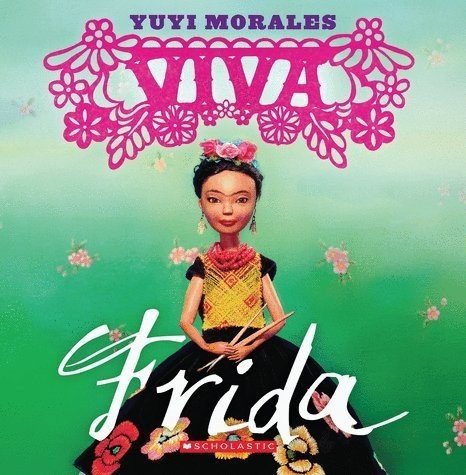
by Yuyi Morales
Picture book · ages 5–9 · grades K–4 · 600L · 2015
A picture-book biography that doesn't condescend — Morales's vibrant mixed-media art mirrors Frida's own visual exuberance, and the text honestly reckons with pain alongside joy.
Learn more →·Bookshop.org
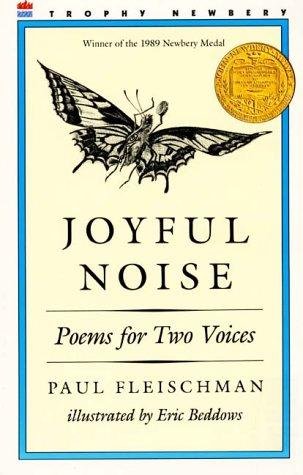
by Paul Fleischman
Verse novel · ages 8–12 · grades 3–7 · 620L · 1988
A Newbery Medal masterpiece that teaches kids how to listen to nature through the architecture of two-voice poetry — kids discover they can read these aloud *right now* with a friend and it immediately sounds like music.
Learn more →·Bookshop.org

by William Steig
Picture book · ages 4–8 · grades K–3 · 620L · 2006
A quietly haunting picture book that handles loss and separation without melodrama — the magic pebble is just a frame for the real story about wanting to come home.
Learn more →·Bookshop.org
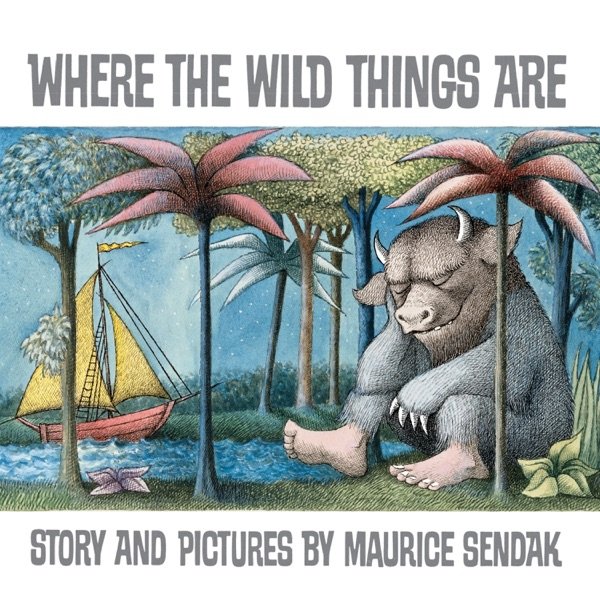
by Maurice Sendak
Picture book · ages 4–8 · grades K–3 · 650L · 2014
The canonical picture book about wildness and belonging — the Sendak illustrations are so vivid that kids live inside Max's rage and return, and the ending hits different every time a parent reads it aloud.
Learn more →·Bookshop.org
by Alice and Martin Provensen
Picture book · ages 4–8 · grades K–3 · 620L
A Caldecott Medal masterpiece: lush, period-accurate illustrations and a genuinely gripping narrative about a real inventor that reads like adventure, not homework.
Learn more →
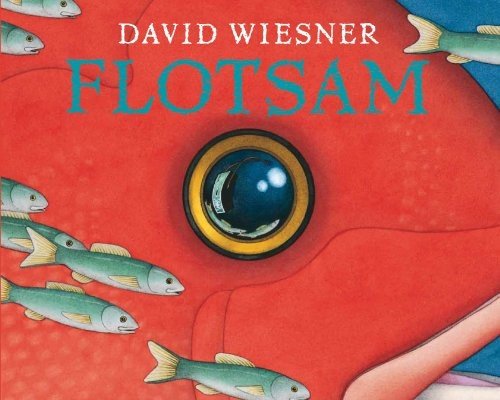
by David Wiesner
Picture book · ages 4–8 · grades K–3 · 2001
A wordless masterpiece that teaches observation and sparks imagination without a single sentence—kids stare at the panels, construct their own theories, and beg to flip through it again.
Learn more →·Bookshop.org
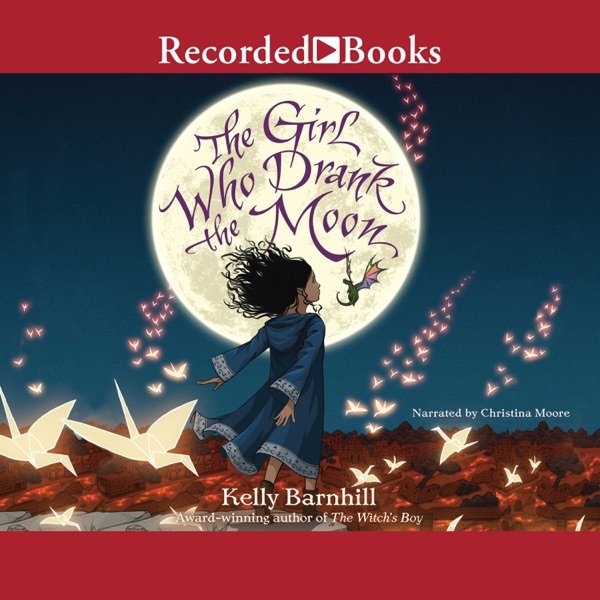
by Kelly Barnhill
Middle grade · ages 10–14 · grades 5–9 · 820L
A Newbery winner that genuinely earns it—lyrical, philosophically rich, and propulsive enough that 10-year-olds stop complaining about 'dense' writing.
Learn more →
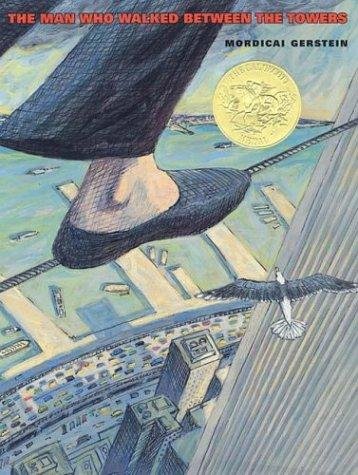
by Mordicai Gerstein
Picture book · ages 4–8 · grades K–3 · 620L · 2003
A Caldecott winner about a real, astonishing event—Gerstein's spare prose and soaring illustrations make this feel mythic without sentimentalizing, and kids understand immediately why someone would risk everything for beauty.
Learn more →
by Arnold Lobel
Picture book · ages 4–8 · grades K–3 · 620L · 1980
The funniest fable collection for early readers—Lobel's deadpan animal logic and pencil drawings make each story a small joke that lands every time you reread it.
Learn more →·Bookshop.org

by Marie Hall Ets
Picture book · ages 4–8 · grades K–3 · 550L · 1959
A Caldecott winner that earns it — gentle, authentic, and the countdown structure makes waiting feel like an adventure; kids actually ask to reread it before holidays.
Learn more →
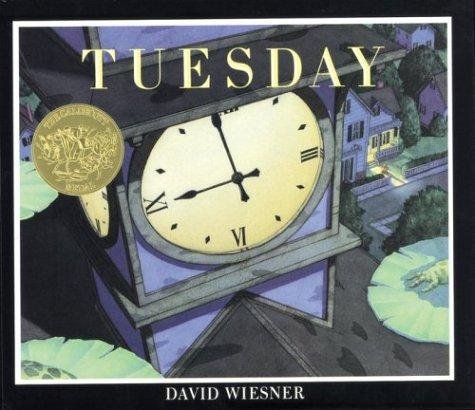
by David Wiesner
Picture book · ages 4–8 · grades K–3 · 1992
A wordless masterpiece that proves illustration can carry entire narrative — every re-read, kids notice new details and construct different stories from the same pictures.
Learn more →·Bookshop.org
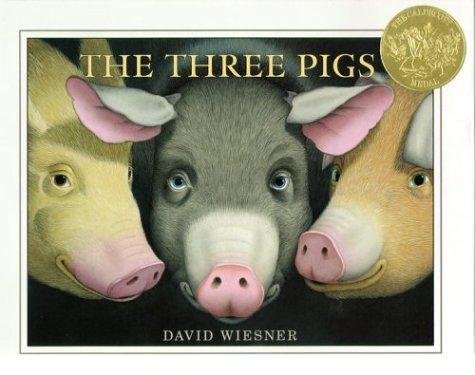
by David Wiesner
Picture book · ages 4–8 · grades K–3 · 2012
A wordless masterpiece that teaches iteration and agency through anarchic visual storytelling—kids laugh at the absurdity while absorbing how failure leads to better solutions.
Learn more →·Bookshop.org
by Madeleine L'Engle
Middle grade · ages 10–14 · grades 5–9 · 740L · 2002
Sixty years old and still the most intellectually ambitious middle-grade adventure in print — dense, unapologetically strange, and quietly radical about what makes a girl a hero.
Learn more →·Bookshop.org
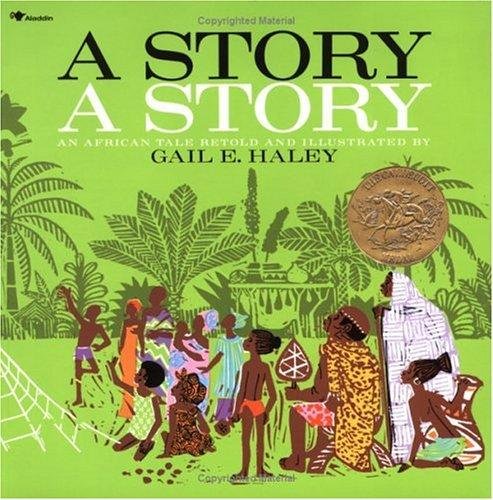
by Gail E. Haley
Picture book · ages 4–8 · grades K–3 · 620L · 1990
A Caldecott winner that works as folklore entry point, visual feast, and celebration of cleverness over brute strength—the illustrations anchor the oral tradition on the page without deadening it.
Learn more →·Bookshop.org
by Stephen Gammell
Picture book · ages 4–8 · grades K–3 · 640L
A Caldecott winner that trusts kids to sit with bittersweet nostalgia — the grandfather's performance is joyful and a little sad, and the illustrations do the heavy emotional lifting without a single manipulative word.
Learn more →
by Beni Montresor
Picture book · ages 4–8 · grades K–3 · 620L
A Caldecott winner that earns it—the escalating absurdity (elephant at tea! lion! giraffe!) delivers genuine laughs while quietly teaching that real friendship means making room for the people (and animals) you love, even when they're messy.
Learn more →
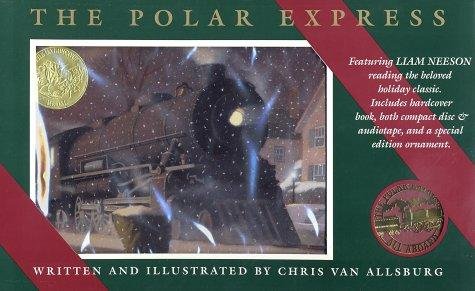
by Chris Van Allsburg
Picture book · ages 4–8 · grades K–3 · 740L · 2000
Van Allsburg's most enduring picture book — the prose is literary and the illustrations carry genuine atmosphere; read it aloud to catch the layered melancholy beneath the magic.
Learn more →·Bookshop.org
by Kate DiCamillo
Middle grade · ages 8–12 · grades 3–7 · 820L · 2015
DiCamillo's most literary middle-grade novel—a tender, funny story about the courage it takes to love something weird and to admit you've hurt the people closest to you.
Learn more →·Bookshop.org
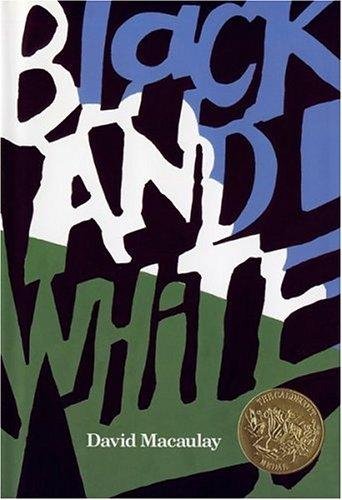
by David Macaulay
Picture book · ages 8–12 · grades 3–7 · 620L · 1990
A masterpiece of visual storytelling and structural trickery — kids who crack the puzzle of how the four stories interconnect feel like geniuses, and Macaulay's deadpan illustrations deliver the punchline.
Learn more →
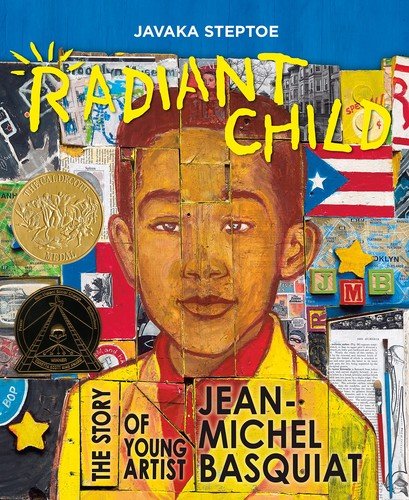
by Javaka Steptoe
Picture book · ages 4–8 · grades K–3 · 620L · 2016
A stunningly illustrated biography that shows rather than tells why art matters—Steptoe's mixed-media collage mirrors Basquiat's own restless energy and gives kids a visceral sense of artistic obsession.
Learn more →·Bookshop.org
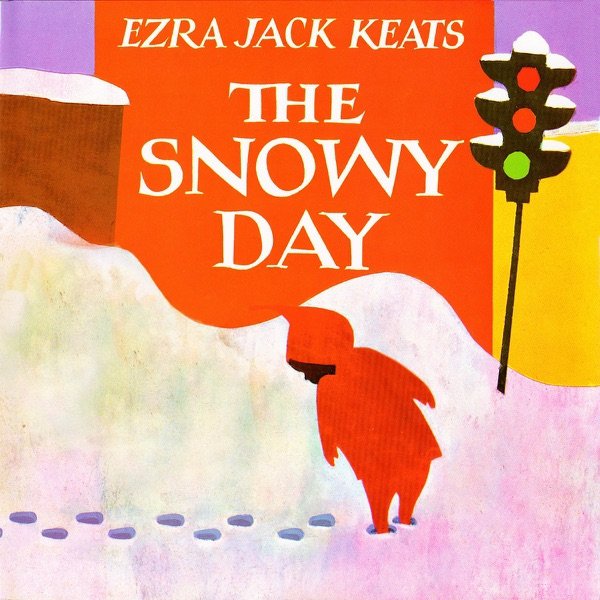
by Ezra Jack Keats
Picture book · ages 3–8 · grades K–3 · 1992
The ur-text of childhood snow play—Keats' collage art and minimalist text let the child's imagination fill every gap, and it holds up as a quiet, unsentimentalized masterpiece.
Learn more →·Bookshop.org
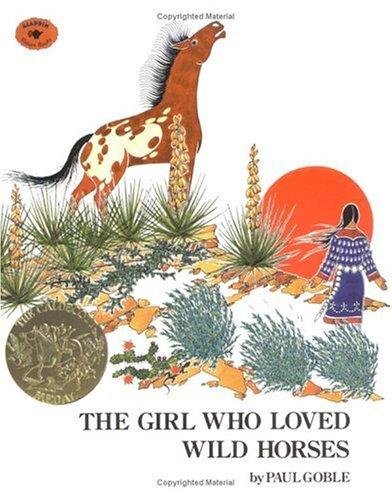
by Paul Goble
Picture book · ages 4–8 · grades K–3 · 620L · 1981
A lyrical, gorgeous introduction to Plains Indian life and a girl who chooses freedom over conformity — Goble's illustrations are stunning and the emotional arc is genuinely moving without being heavy-handed.
Learn more →·Bookshop.org
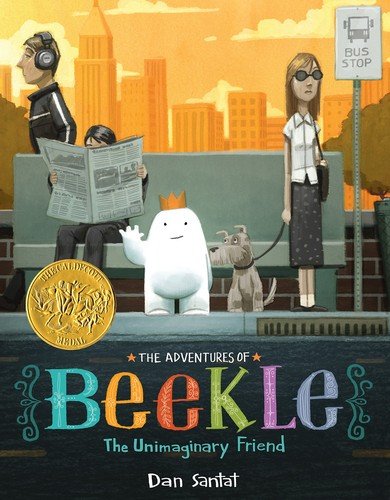
by Dan Santat
Picture book · ages 4–8 · grades K–3 · 620L · 2014
A Caldecott winner that genuinely earns it — the wordless passages and Santat's watercolor spreads do more work than the text, and the longing-to-connection arc lands with real emotional weight for kindergarteners and up.
Learn more →·Bookshop.org
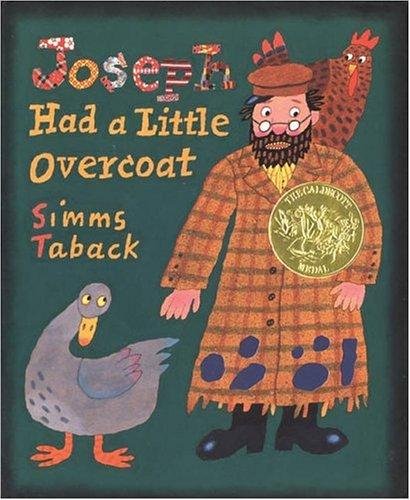
by Simms Taback
Picture book · ages 4–8 · grades K–3 · 1999
A Caldecott winner with genuine visual wit and a sneaky economics lesson — kids trace the transformation, parents notice Joseph's refusal to waste and his creative persistence.
Learn more →·Bookshop.org
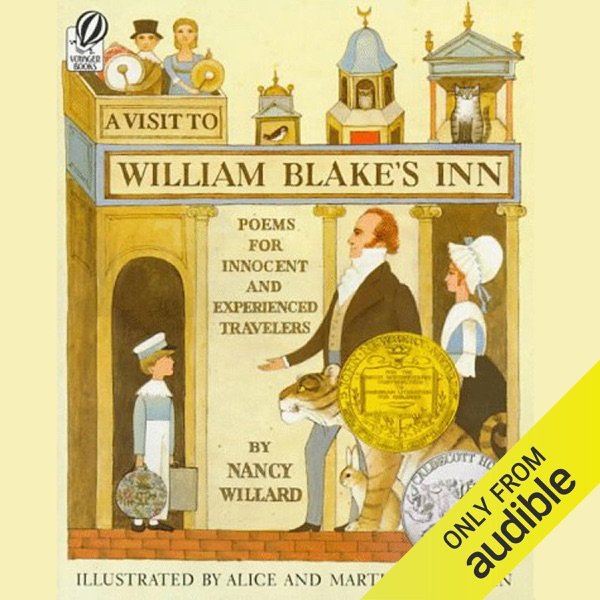
by Nancy Willard
Picture book · ages 4–9 · grades K–4 · 620L · 1985
A Newbery Medal winner that reads like illustrated poetry — Willard's language is playful and precise, Blake's influence is felt throughout, and children return to it because it feels like a secret.
Learn more →·Bookshop.org
by Louis Slobodkin
Picture book · ages 4–8 · grades K–3 · 620L
A Caldecott winner that feels timeless: the father's gentle wisdom and the princess's shifting wants anchor a story about the difference between wishing and contentment.
Learn more →
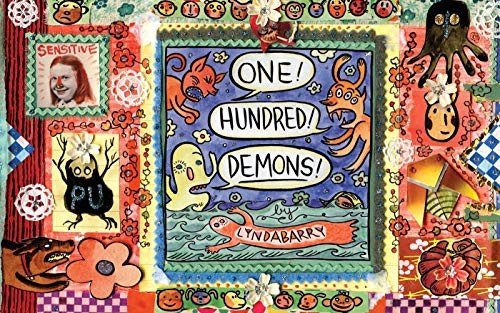
by Lynda Barry
Graphic novel · age 10+ · grade 5+ · 520L · 2017
A quiet masterpiece that teaches kids to pay attention to ordinary life and find meaning in it—the opposite of the climax-hungry narratives they're usually fed.
Learn more →·Bookshop.org
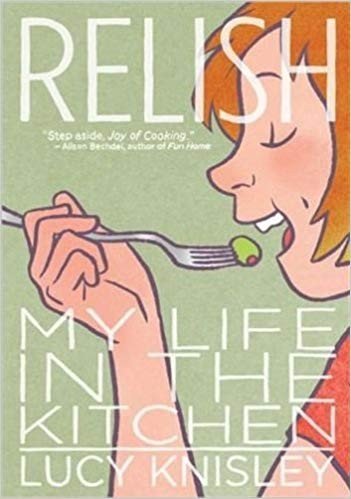
by Lucy Knisley
Graphic novel · ages 8–12 · grades 3–7 · 620L · 2013
A graphic memoir that proves picture books aren't just for young kids — Lucy's illustrations are gorgeous and the arc from finicky child to confident creator is quietly moving, with food as the thread.
Learn more →·Bookshop.org
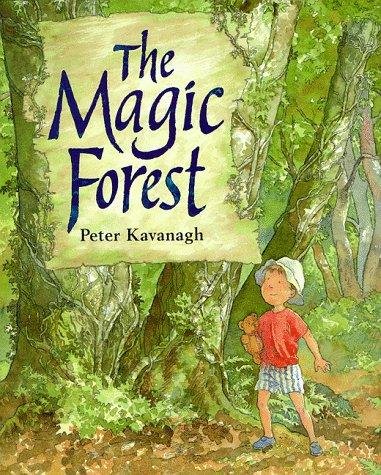
by Christopher Myers
Picture book · ages 4–8 · grades K–3 · 1997
A lyrical love letter to Harlem's beauty and humanity—Myers's collage-and-paint illustrations are as much the story as the poetic text, and kids absorb pride in cultural place without a hint of didacticism.
Learn more →·Bookshop.org
by I See the Rhythm
Picture book · ages 4–8 · grades K–3
Michele Wood's collage art transforms African American musical history into pure visual joy — kids feel the beat before they understand the history, and return to it for both.
Learn more →
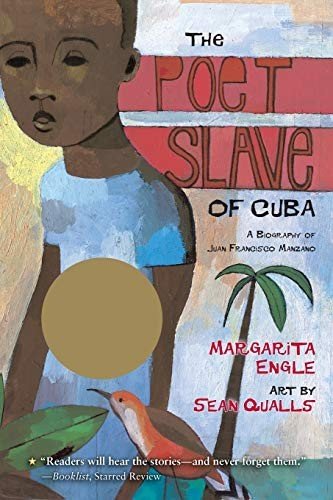
by Margarita Engle
Verse novel · ages 10–14 · grades 5–9 · 780L · 2011
A luminous, necessary biography in verse—Engle's form mirrors Manzano's own claim to poetry as an act of resistance, and the reading challenges are worth the emotional and historical weight.
Learn more →·Bookshop.org
by Her Stories: African American Folktales, Fairy Tales, and True Tales
Nonfiction · ages 8–12 · grades 3–7 · 720L
Virginia Hamilton's storytelling gift makes folklore breathe—the tales are genuinely magical and the true stories quietly powerful, and together they plant deep roots about who belongs in a child's mental landscape of heroes and wisdom-keepers.
Learn more →
by Radiant Child: The Story of Young Artist Jean-Michel Basquiat
Picture book · ages 6–10 · grades 1–5 · 620L
A luminous, honest biography that models artistic courage without sanitizing Basquiat's struggles; Steptoe's collage art mirrors the subject's own aesthetic and makes this as much visual education as narrative.
Learn more →
by Nathaniel Talking
Picture book · ages 5–9 · grades K–4 · 620L
A quiet masterpiece—Gilchrist's watercolors and Gilchrist's poetic text collaborate to show a child's interior life as worthy of attention; rereads reveal new layers.
Learn more →
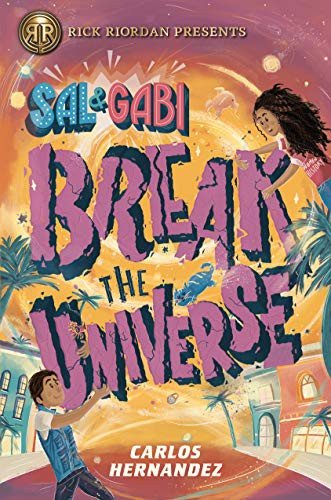
by Carlos Hernandez
Middle grade · ages 8–12 · grades 3–7 · 750L · 2019
A genuinely inventive middle-grade about father-son repair wrapped in universe-hopping magic — funny, emotionally smart, and so specific to Cuban-American family life that it feels fresh.
Learn more →·Bookshop.org
by Christian Robinson
Picture book · ages 4–8 · grades K–3 · 680L
Christian Robinson's illustrations transform Josephine's life into pure visual joy — a book that teaches courage and radical self-invention without preaching, and sparks immediate curiosity about real people who refused to be small.
Learn more →
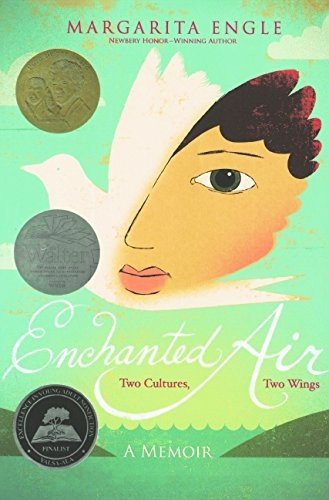
by Margarita Engle
Verse novel · ages 10–14 · grades 5–9 · 680L · 2016
A stunning introduction to immigration and identity through verse—lyrical without being precious, and the dual-culture experience feels lived rather than explained.
Learn more →·Bookshop.org
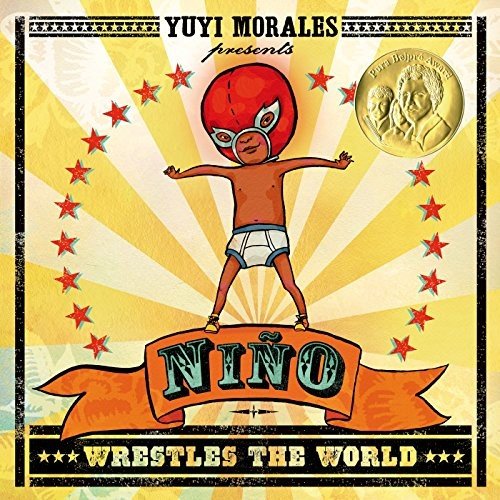
by Yuyi Morales
Picture book · ages 3–7 · grades K–2 · 380L · 2015
A exuberant, bilingual romp that feels like watching a real toddler play—energetic, physical, and joyful without a shred of condescension; Morales's illustrations are kinetic and warm.
Learn more →·Bookshop.org
by Africa Dream
Picture book · ages 4–8 · grades K–3 · 520L
A quietly powerful picture book that lets kids imagine themselves into their heritage—Greenfield's spare, lyrical text paired with evocative illustrations makes identity exploration feel natural, not didactic.
Learn more →
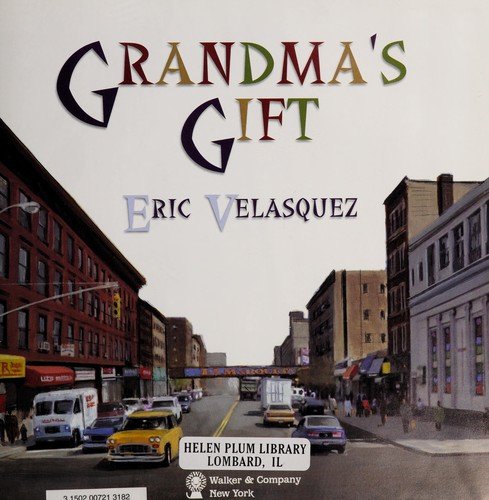
by Eric Velasquez
Picture book · ages 4–8 · grades K–3 · 620L · 2010
A quiet, beautifully illustrated portrait of a grandmother passing down her artistic gift—understated and genuinely moving, with Velasquez's own art doing the emotional heavy lifting.
Learn more →·Bookshop.org
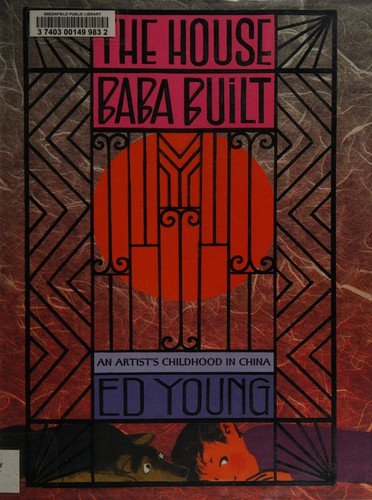
by Ed Young
Picture book · ages 4–8 · grades K–3 · 620L · 2011
A lyrical, elegantly illustrated memoir for young readers that treats childhood displacement and cultural identity with literary depth without condescension—the collage-style art is as much the story as the words.
Learn more →·Bookshop.org
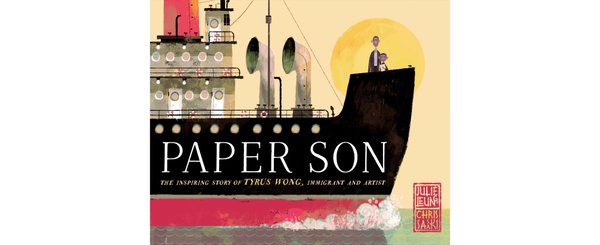
by Julie Leung
Picture book · ages 6–10 · grades 1–5 · 620L · 2019
A vivid picture-book biography that centers an overlooked artist's refusal to abandon his culture; the illustrations honor Tyrus's own artistic eye and give younger kids a concrete, stirring entry to immigration stories.
Learn more →·Bookshop.org
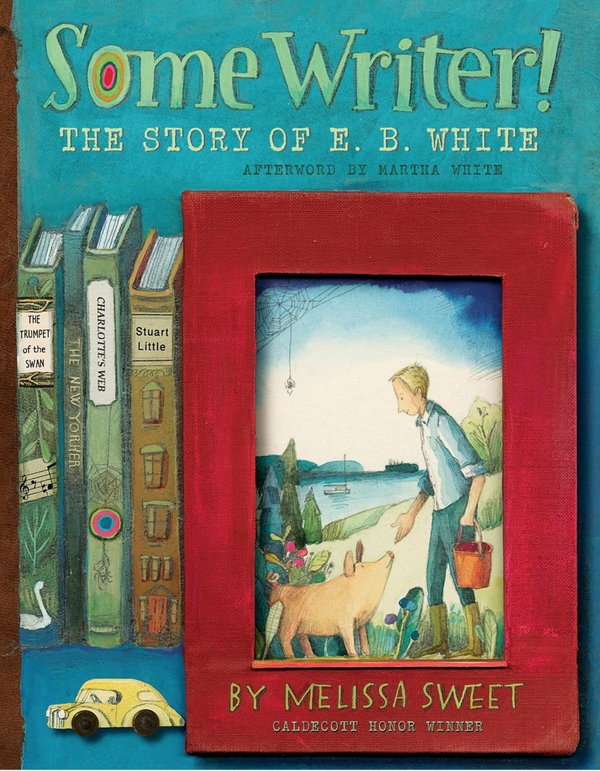
by Melissa Sweet
Picture book · ages 6–9 · grades 1–4 · 620L · 2016
Melissa Sweet's collage art and lyrical text make this feel less like a biography lesson and more like an invitation to notice the world the way E.B. White did—the best picture-book biography for this age.
Learn more →·Bookshop.org
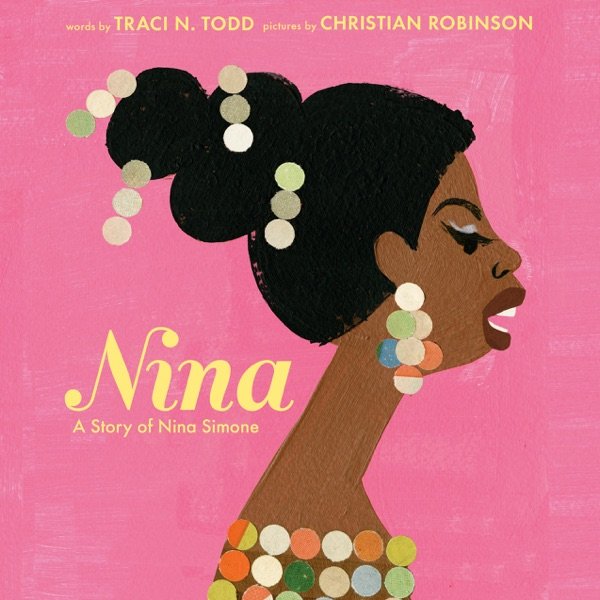
by Traci N. Todd
Picture book · ages 6–10 · grades 1–5 · 620L · 2021
A lyrical biography that pairs exquisite illustration with genuine narrative tension — Nina's refusal to be anything other than herself feels urgent and lived, not sanitized.
Learn more →·Bookshop.org
by rowspan="2" |Picture Book
Picture book · ages 4–8 · grades K–3 · 200L
A genuinely moving picture book about two kids with opposing styles learning to collaborate—the kind of friendship story that quietly teaches acceptance without preaching.
Learn more →
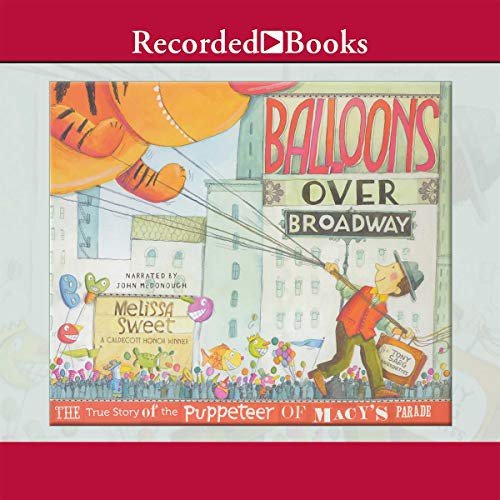
by Melissa Sweet
Picture book · ages 5–9 · grades K–4 · 620L · 2012
A picture book that genuinely teaches how invention works—Melissa Sweet's collage art mirrors Sarg's experimental process, and kids leave understanding that parades didn't always have giant balloons because someone decided to invent them.
Learn more →·Bookshop.org
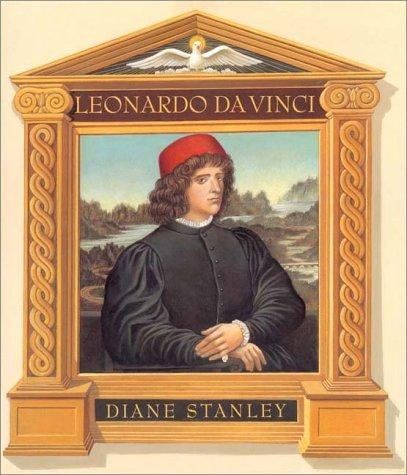
by Diane Stanley
Picture book · ages 8–12 · grades 3–7 · 780L · 1996
Stanley's Leonardo is the gold standard for making historical biography vivid and idea-driven for kids—gorgeous illustrations anchor the prose, and it plants the seed that the most interesting minds refuse to stay in one lane.
Learn more →·Bookshop.org
by Hester Bass
Picture book · ages 6–9 · grades 1–4 · 620L · 2009
A quiet, visually stunning introduction to the real Walter Anderson — the book makes his solitary artistic practice feel noble rather than eccentric, teaching that true creativity often happens away from applause.
Learn more →·Bookshop.org
by Marjorie Priceman
Picture book · ages 4–8 · grades K–3 · 560L
A perfect marriage of onomatopoeia, rhyme, and instrument pedagogy—kids giggle at the sounds while actually learning orchestration, and Priceman's watercolors make each instrument a visual personality.
Learn more →
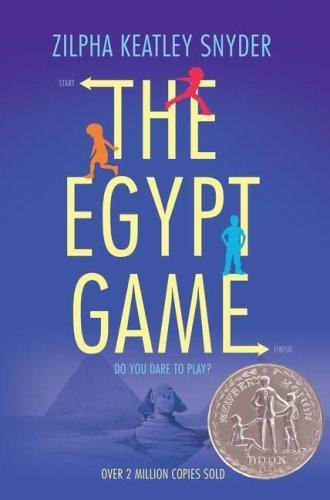
by Zilpha Keatley Snyder
Middle grade · ages 8–12 · grades 3–7 · 740L · 2007
A quietly brilliant friendship epic that rewards rereading—the mystery unfolds organically through play, and the prose trusts kids to hold complexity (multiple POV, time shifts, moral ambiguity about the old man).
Learn more →·Bookshop.org
