Intents · Character trait
Books that build a sense of agency
Stories where the kid protagonist sees a problem and acts — the model for kids learning they can shape what happens.
50 of 691 books — top picks by quality
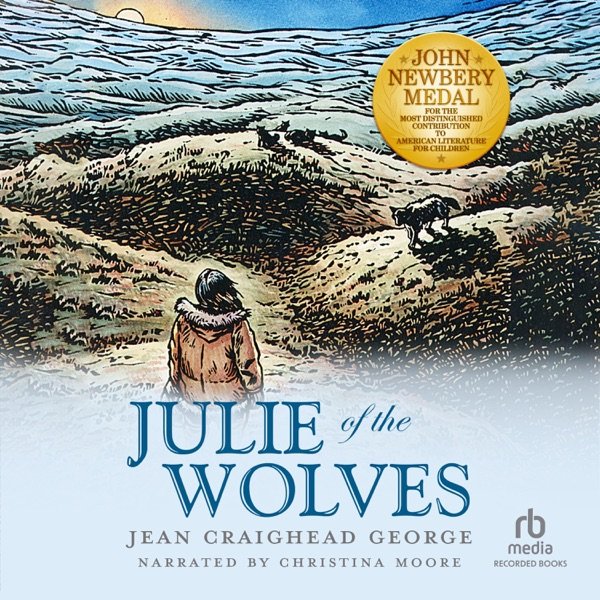
by Jean Craighead George
Middle grade · ages 10–14 · grades 5–9 · 760L · 1972
A Newbery-winning masterpiece that hasn't aged a day—Julie's survival story is genuinely gripping, and the quiet exploration of cultural identity and belonging lands without preaching.
Learn more →
by Ed Young
Picture book · ages 6–9 · grades 1–4 · 620L · 1988
A genuinely suspenseful, beautifully illustrated reimagining of Red Riding Hood where the children outwit the wolf through observation and teamwork—scary enough to feel real, clever enough to empower rather than traumatize.
Learn more →·Bookshop.org
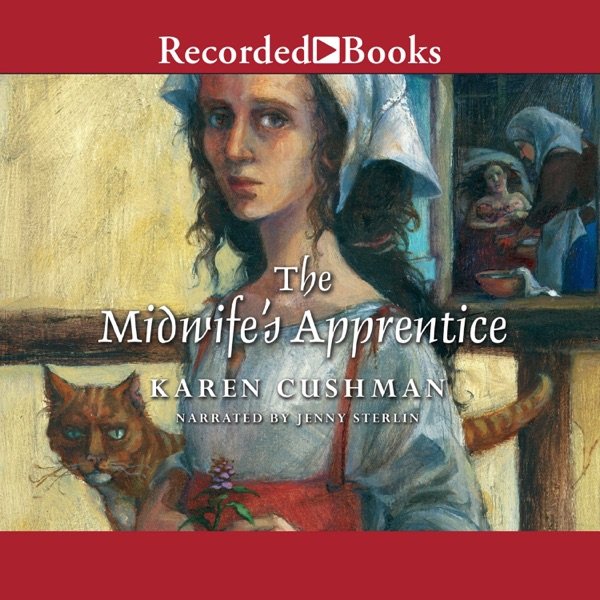
by Karen Cushman
Middle grade · ages 10–14 · grades 5–9 · 780L · 1997
A Newbery winner that earns it: a girl with no name becomes herself through honest work and adult recognition; the medieval setting and childbirth apprenticeship feel urgent and real, not decorative.
Learn more →·Bookshop.org
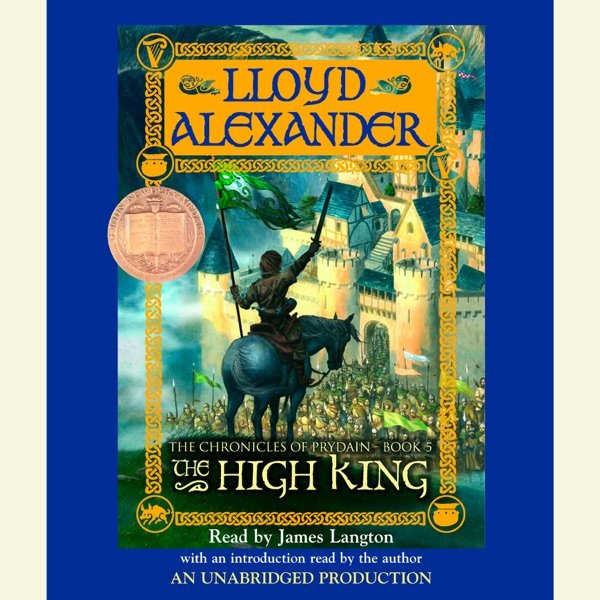
by Lloyd Alexander
Middle grade · ages 10–14 · grades 5–9 · 780L · 1968
The high-water mark of mid-century fantasy for this age—serious stakes, earned character growth, and a finale that actually trusts kids to grieve and think.
Learn more →
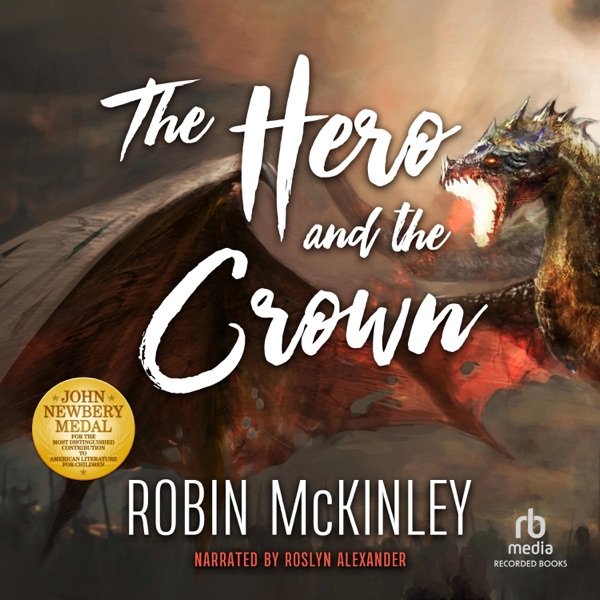
by Robin McKinley
Middle grade · ages 10–14 · grades 5–9 · 820L · 2014
A fantasy quest that's actually about a girl claiming agency against her kingdom's expectations — rare, beautifully written, and the romance doesn't overshadow her arc.
Learn more →·Bookshop.org
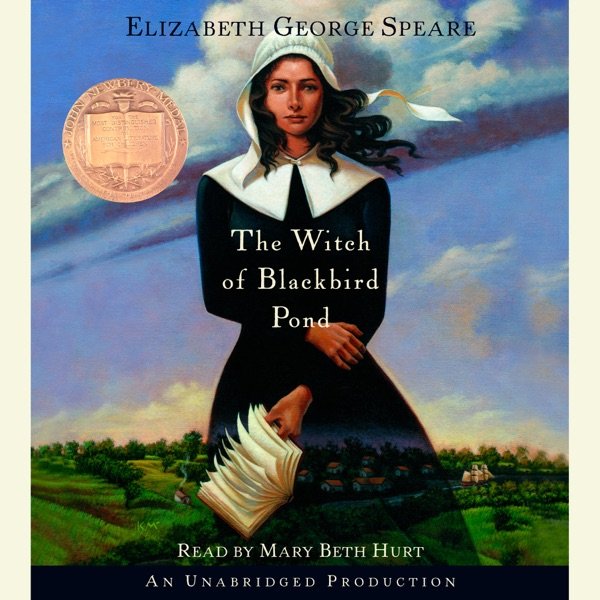
by Elizabeth George Speare
Middle grade · ages 10–14 · grades 5–9 · 780L · 1958
A Newbery winner that earns it—Kit's defiance of witch hysteria in 1680s Connecticut teaches courage and independent thought through genuine historical stakes, not didacticism.
Learn more →
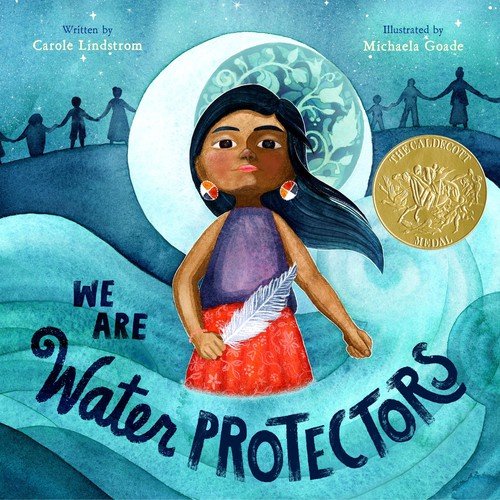
by Michaela Goade
Picture book · ages 4–8 · grades K–3 · 2020
A stunning, unapologetic picture book that teaches kids water is alive and worth protecting; Michaela Goade's art transforms activism into something children feel in their bones.
Learn more →·Bookshop.org
by Avi
Middle grade · ages 10–14 · grades 5–9 · 740L · 2004
A genuinely gripping historical mystery that treats a medieval child's interior life with full seriousness—kids recognize themselves in Crispin's fear and find their own backbone through his.
Learn more →·Bookshop.org
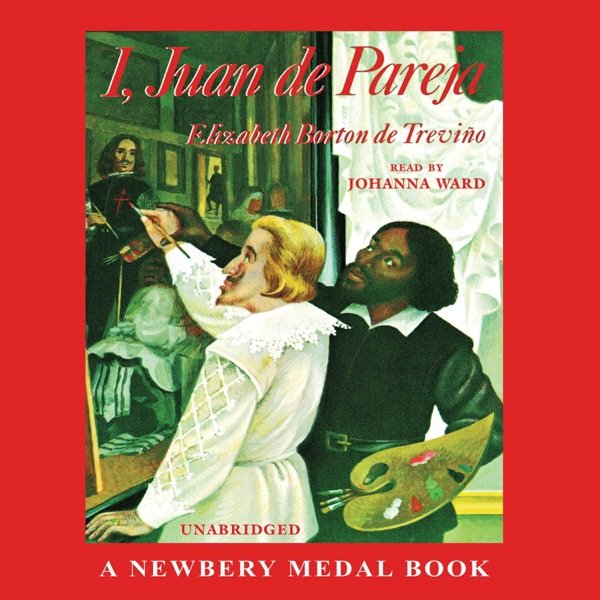
by Elizabeth Borton de Treviño
Middle grade · ages 10–14 · grades 5–9 · 750L · 1965
A historically grounded, moving portrait of an actual apprentice to Velázquez—teaches art history, identity, and kindness through a real relationship, not didacticism; the sparse, honest prose asks kids to sit with complexity.
Learn more →
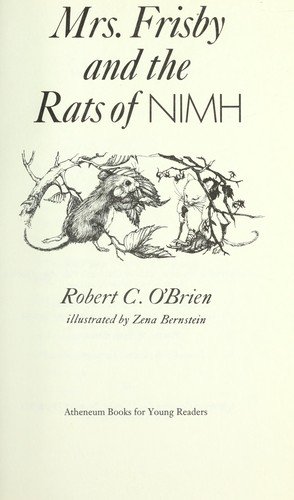
by Robert C. O'Brien
Middle grade · ages 8–12 · grades 3–7 · 780L · 1975
A genuinely intelligent adventure where the protagonist solves problems with her mind, not magic—the rats are neither evil nor saviors, and Mrs. Frisby's ordinary maternal courage is the entire book's engine.
Learn more →·Bookshop.org
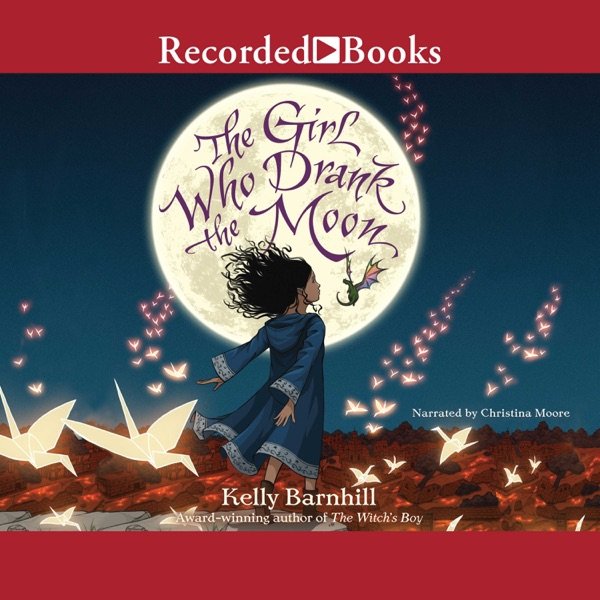
by Kelly Barnhill
Middle grade · ages 10–14 · grades 5–9 · 780L · 2016
A Newbery winner that earns it — lyrical prose, genuine emotional stakes, and a protagonist who chooses her own path rather than following a prophecy.
Learn more →
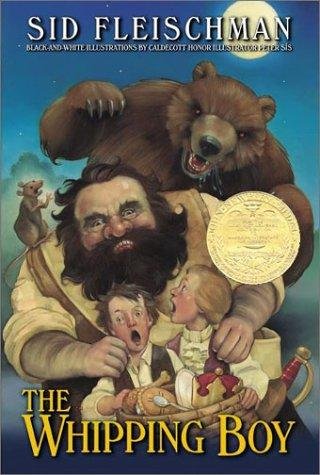
by Sid Fleischman
Middle grade · ages 10–14 · grades 5–9 · 760L · 1986
A Newbery winner that actually earns it—fast-paced adventure paired with genuine character transformation; kids reread it and notice more about class and friendship each time.
Learn more →
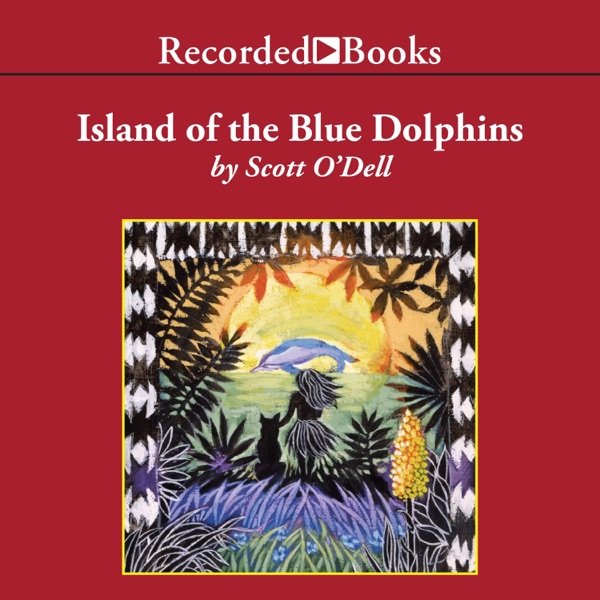
by Scott O'Dell
Middle grade · ages 8–12 · grades 3–7 · 790L · 1960
A genuinely unflinching survival story centered on a girl's competence and dignity—no sentimentality, no romance, no rescue by men; Karana saves herself and her dogs.
Learn more →
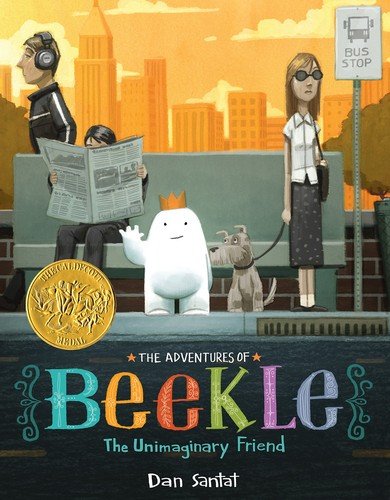
by Dan Santat
Picture book · ages 4–8 · grades K–3 · 620L · 2014
A Caldecott winner that genuinely earns it — the wordless passages and Santat's watercolor spreads do more work than the text, and the longing-to-connection arc lands with real emotional weight for kindergarteners and up.
Learn more →·Bookshop.org
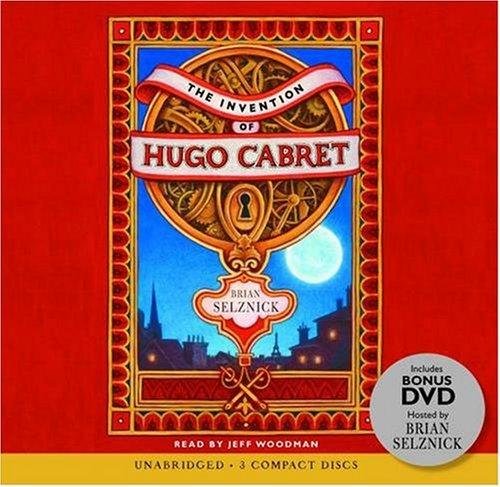
by Brian Selznick
Hybrid format · ages 8–12 · grades 3–7 · 740L · 2007
A formal masterpiece that uses drawings as equal narrative weight to prose—kids discover they can read 284 pages of dense pencil work, and the mystery payoff justifies every page.
Learn more →·Bookshop.org
by Gordon C. James
Picture book · ages 4–8 · grades K–3 · 250L
A genuine celebration of self-care and cultural pride that lands without being preachy — kids feel the joy in the barbershop, and parents see why this moment matters.
Learn more →
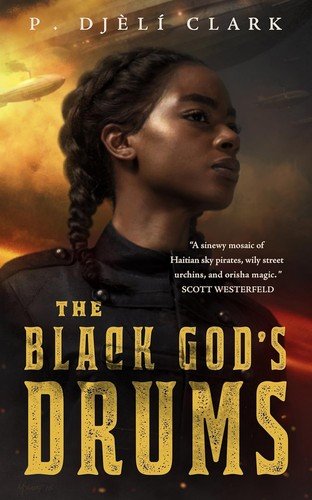
by P. Djèlí Clark
Middle grade · ages 8–12 · grades 3–7 · 780L · 2018
A Deaf protagonist in a richly imagined alternate-history New Orleans who saves the city through courage, resourcefulness, and trust in her own senses—rare, specific, and genuinely page-turning.
Learn more →·Bookshop.org
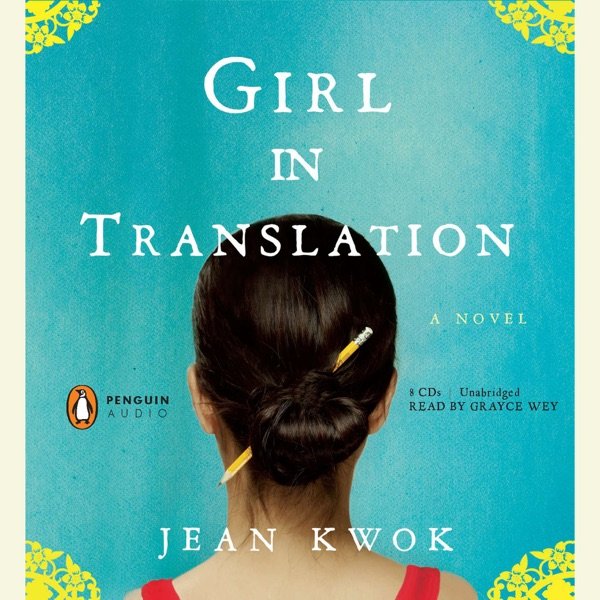
by Jean Kwok
Middle grade · ages 10–14 · grades 5–9 · 780L · 2010
A serious, unsentimental account of childhood under economic and cultural pressure—honest about both parental love and harm, and genuinely literature, not didactic.
Learn more →·Bookshop.org
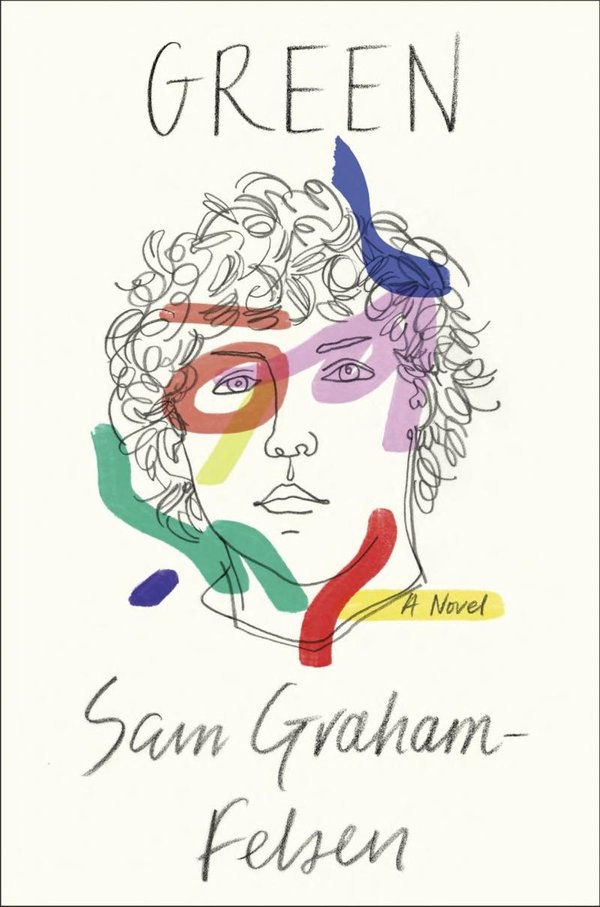
by Sam Graham-Felsen
Middle grade · ages 8–12 · grades 3–7 · 770L · 2018
A beautifully crafted friendship novel that takes the messy reality of growing apart seriously without sentiment; it's about what you owe people and what you owe yourself.
Learn more →·Bookshop.org
by '''Bad News for Outlaws: The Remarkable Life of Bass Reeves, Deputy U.S. Marshal'''
Picture book · ages 7–10 · grades 2–5 · 680L
A visually stunning biography that reclaims a footnote of American history and answers a child's question ('Can one person change things?') with one unforgettable answer.
Learn more →
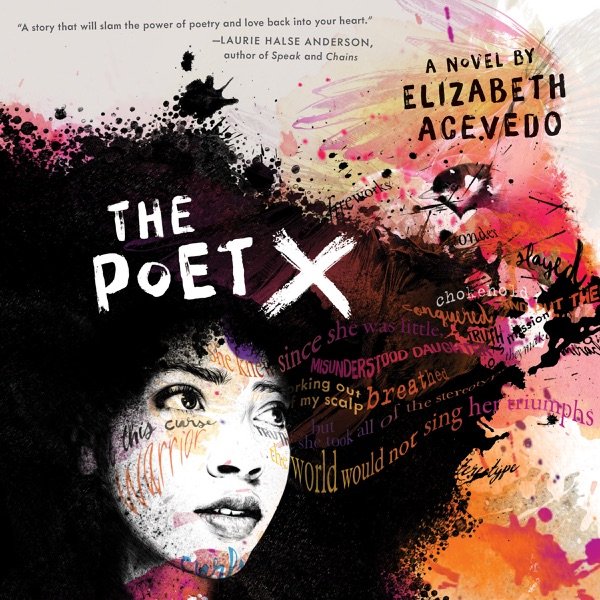
by Elizabeth Acevedo
Verse novel · ages 14–18 · grades 9–12 · 840L · 2018
Verse-form coming-of-age that respects both Xiomara's voice and her family's faith without collapsing into sentimentality; a genuinely difficult conversation about love, identity, and obedience delivered with lyrical precision.
Learn more →
by Talkin' About Bessie: The Story of Aviator Elizabeth Coleman
Picture book · ages 6–9 · grades 1–4 · 620L
A stunning introduction to a real trailblazer that doesn't condescend; E.B. Lewis's illustrations are the equal of Pam Muñoz Ryan's text, and kids emerge knowing Bessie Coleman's name, not just 'a brave Black pilot.'
Learn more →
by Freewater
Middle grade · ages 10–14 · grades 5–9 · 720L
A historically grounded, formally ambitious novel about enslaved children that trusts readers with complexity—the rotating narratives, dialect, and moral ambiguity make this essential, not didactic.
Learn more →
by Trombone Shorty
Picture book · ages 4–8 · grades K–3 · 620L
A vibrant, authentic introduction to New Orleans jazz culture and a kid who chose music; Collier's collage art pulses with joy and the first-person voice feels genuinely lived-in.
Learn more →
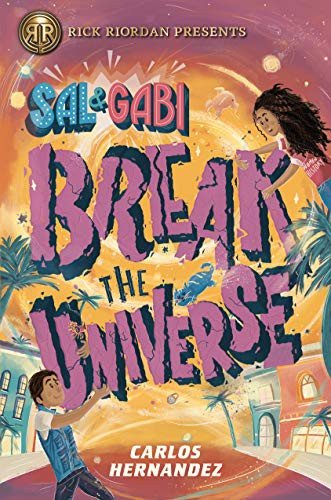
by Carlos Hernandez
Middle grade · ages 8–12 · grades 3–7 · 750L · 2019
A genuinely inventive middle-grade about father-son repair wrapped in universe-hopping magic — funny, emotionally smart, and so specific to Cuban-American family life that it feels fresh.
Learn more →·Bookshop.org
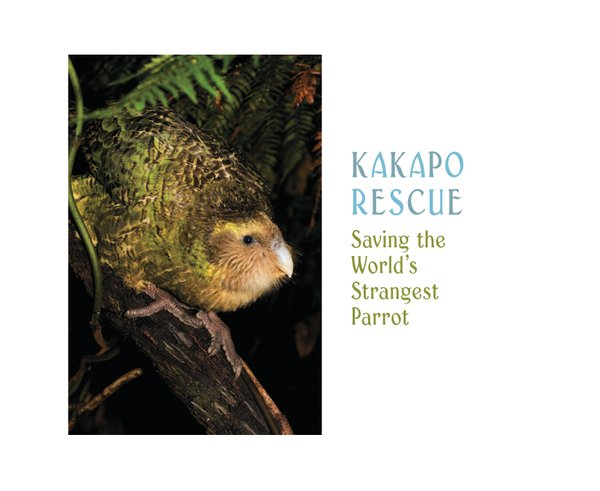
by Sy Montgomery
Nonfiction · ages 8–12 · grades 3–7 · 720L · 2010
Montgomery's infectious curiosity and on-the-ground reporting make conservation science visceral and urgent—kids finish this wanting to know how to help, not just what the problem is.
Learn more →·Bookshop.org
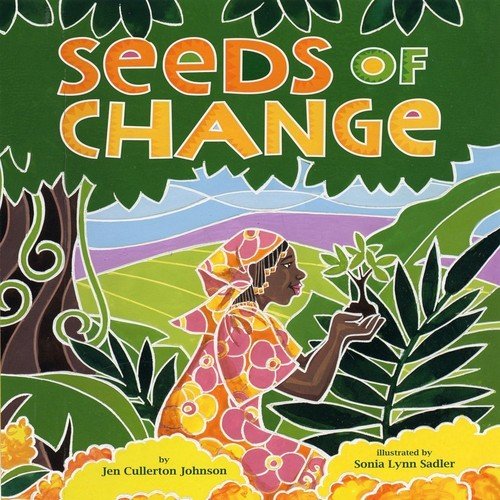
by Jen Cullerton Johnson
Picture book · ages 5–9 · grades K–4 · 620L · 2010
A quietly powerful picture-book biography that introduces the Hidatsa agricultural genius Four Bears through his own observation and experimentation—Indigenous history and science method woven together without preaching.
Learn more →·Bookshop.org
by Christian Robinson
Picture book · ages 4–8 · grades K–3 · 620L
Robinson's art transforms a complex life into a joyful, age-accessible celebration of a woman who danced and fought her way to freedom—kids absorb the defiance without the heaviness.
Learn more →
by Elijah of Buxton
Middle grade · ages 8–12 · grades 3–7 · 820L
Curtis braids humor, historical weight, and genuine moral complexity into a novel that doesn't talk down to kids about slavery or friendship — Elijah's voice is irresistible and the stakes are real.
Learn more →
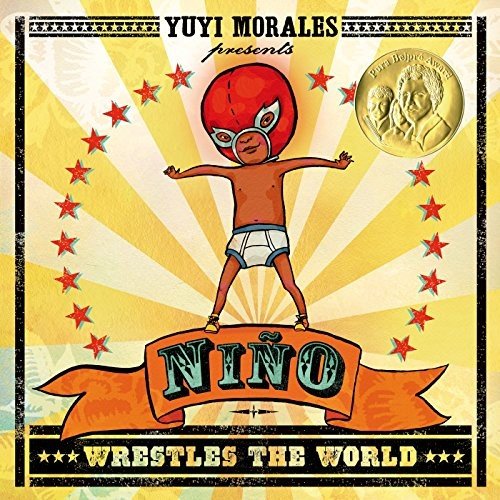
by Yuyi Morales
Picture book · ages 3–7 · grades K–2 · 380L · 2015
A exuberant, bilingual romp that feels like watching a real toddler play—energetic, physical, and joyful without a shred of condescension; Morales's illustrations are kinetic and warm.
Learn more →·Bookshop.org
by rowspan="2" |Picture Book
Picture book · ages 4–8 · grades K–3 · 620L
A picture book that trusts kids to wrestle with obligation versus desire; Hana's quiet assertion of self feels genuinely earned, not preachy, and the art lets you see the conflict in her face.
Learn more →
by Middle School
Graphic novel · ages 8–12 · grades 3–7 · 420L
The graphic-novel adaptation nails what made the originals work — real friendship friction, resourceful kids building something, and a visual style that pulls younger readers in without sacrificing the emotional core.
Learn more →
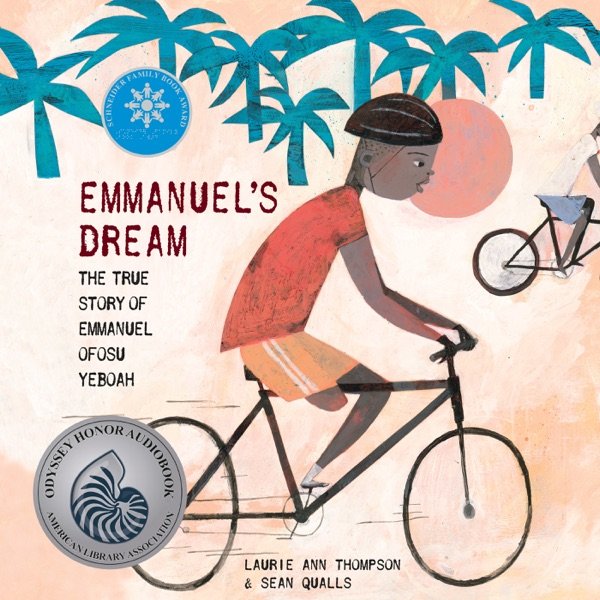
by Young Children
Picture book · ages 4–8 · grades K–3 · 620L
A genuinely moving true story that treats disability as a fact of life, not inspiration porn — Emmanuel's dream matters because it's his dream, and the book lets kids see both the real obstacles and his refusal to accept others' limits.
Learn more →
by rowspan="2" |Picture Book
Picture book · ages 4–8 · grades K–3 · 200L
A genuinely moving picture book about two kids with opposing styles learning to collaborate—the kind of friendship story that quietly teaches acceptance without preaching.
Learn more →
by Barry Wittenstein
Picture book · ages 6–10 · grades 1–5 · 620L · 2019
A rigorous, age-appropriate introduction to MLK that doesn't shy from racism or the real stakes—his voice and doubt come through, not just his triumph.
Learn more →·Bookshop.org
by Young Children
Picture book · ages 4–8 · grades K–3 · 550L
A genuinely moving biography that reframes disability as difference, not deficit—kids see Evelyn as unstoppable, not sympathetic.
Learn more →
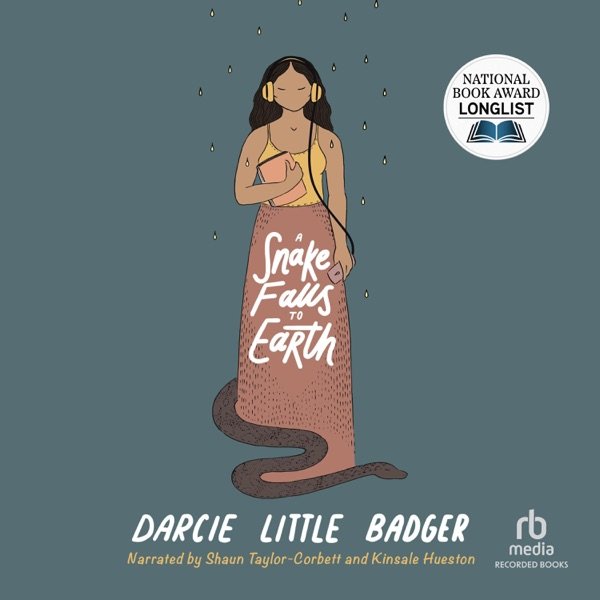
by Darcie Little Badger
Middle grade · ages 10–14 · grades 5–9 · 720L
A genuinely original middle-grade fantasy that centers Indigenous worldview and disability without sentimentality—the magic feels earned, the protagonist is unflinching, and the prose is gorgeous without being flowery.
Learn more →
by Dr. Seuss
Picture book · ages 4–8 · grades K–3 · 620L · 1976
Seuss at his most serious: a kid solves a crisis by speaking up when adults won't listen, the king learns humility through apology, and the language is so playful it carries thematic weight without preaching.
Learn more →·Bookshop.org
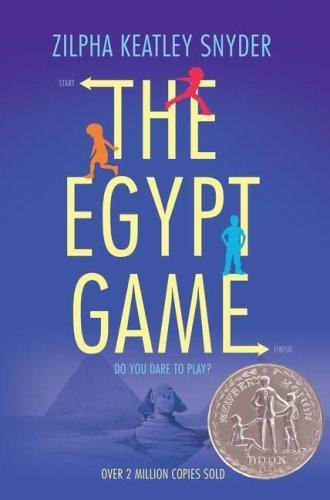
by Zilpha Keatley Snyder
Middle grade · ages 8–12 · grades 3–7 · 740L · 2007
A quietly brilliant friendship epic that rewards rereading—the mystery unfolds organically through play, and the prose trusts kids to hold complexity (multiple POV, time shifts, moral ambiguity about the old man).
Learn more →·Bookshop.org
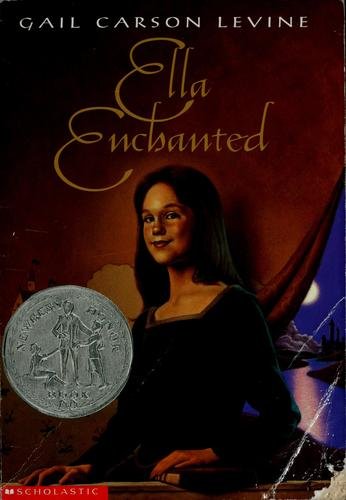
by Gail Carson Levine
Middle grade · age 8+ · grade 3+ · 760L · 1998
A fairy-tale retelling that swaps beauty for actual character growth—Ella fights her curse by refusing victimhood, and the romance serves her agency instead of crowning it.
Learn more →·Bookshop.org
by Paul O. Zelinsky
Picture book · ages 4–8 · grades K–3 · 620L
A feminist tall tale told in Zelinsky's luminous watercolors — Angelica is competent, fearless, and unapologetically herself, and the story never punishes her for it.
Learn more →

by Faith Ringgold
Picture book · ages 4–8 · grades K–3 · 650L · 1996
A picture book that works at 6 and deepens at 9—Ringgold's quilted illustrations and Cassie's dreaming of flight and ownership will stick with your kid for years, and the 1930s Harlem setting opens conversations about racism, class, and what freedom means.
Learn more →·Bookshop.org
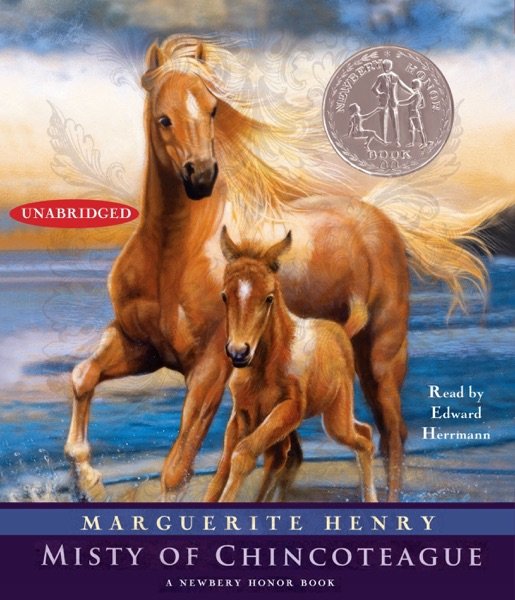
by Marguerite Henry
Middle grade · ages 8–12 · grades 3–7 · 780L · 1824
The definitive horse book for this age—historically grounded, emotionally earned, and genuinely about the unglamorous work of animal stewardship, not just romance.
Learn more →
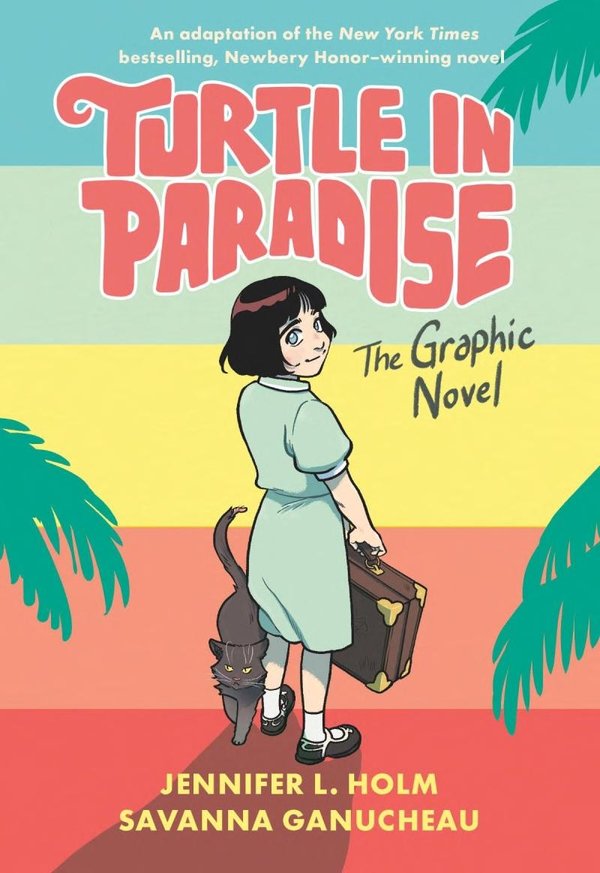
by Jennifer L. Holm
Middle grade · ages 8–12 · grades 3–7 · 760L · 2021
A Depression-era jewel that doesn't lecture—Turtle's scrappiness and the vividness of Key West make history immediate, and the message (belonging is something you find, not something you inherit) lands quietly and hard.
Learn more →·Bookshop.org
by Suzanne Fisher Staples
Middle grade · ages 10–14 · grades 5–9 · 750L · 2004
A Newbery-winning novel that treats a girl's resistance to arranged marriage with seriousness and cultural nuance—not preachy, deeply imagined, and radically honest about what agency costs in that context.
Learn more →·Bookshop.org
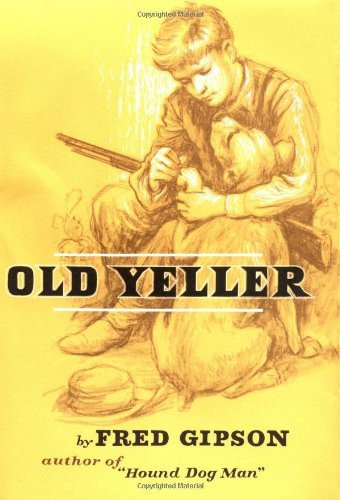
by Fred Gipson
Middle grade · ages 10–14 · grades 5–9 · 820L · 1956
A genuinely earned heartbreak—the kind that teaches kids that love and loss are inseparable, and that growing up sometimes means choosing what's right over what's safe.
Learn more →·Bookshop.org
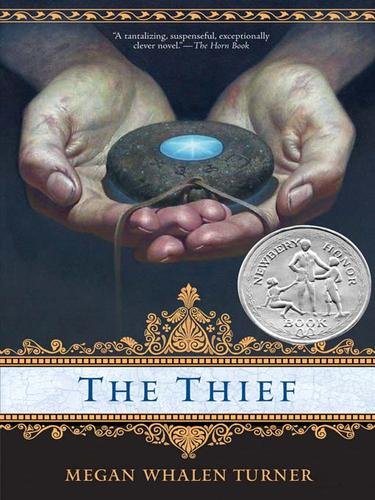
by Megan Whalen Turner
Middle grade · ages 10–14 · grades 5–9 · 810L · 2009
A puzzle-box of a book that respects readers' intelligence—the kind of reread that clicks differently once you know the twist, and kids genuinely want to turn back to the beginning to catch what they missed.
Learn more →·Bookshop.org
by Kadir Nelson
Picture book · ages 6–10 · grades 1–5 · 620L
Nelson's painted portraits are so dignified and powerful that they reframe Harriet Tubman from historical figure into a person whose bravery you feel in your chest; the text matches the gravity without preaching.
Learn more →
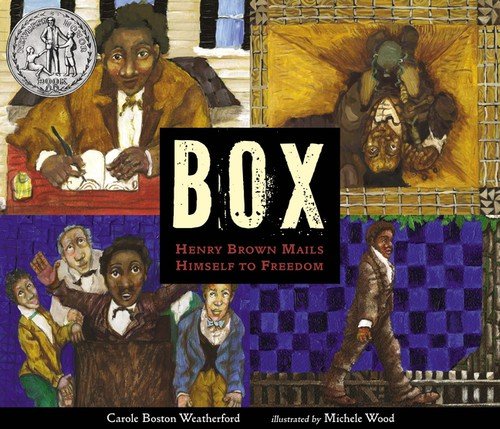
by Carole Boston Weatherford
Picture book · ages 8–12 · grades 3–7 · 620L · 2020
Weatherford's verse and Shadra Strickland's starkly beautiful collage transforms a true escape narrative into unforgettable meditation on embodied courage—the fear is real, the triumph is earned, and kids remember it.
Learn more →·Bookshop.org
by Robert Lawson
Picture book · ages 5–9 · grades K–4 · 650L
A 1938 Caldecott winner that aged beautifully—Lawson's pen-and-ink drawings are exquisite, the Scottish voice is genuine without condescension, and the core question (what kind of person do you want to be?) lands with quiet force.
Learn more →
