Intents · Character trait
Books that build critical thinking
Stories where the protagonist questions what they've been told — and is rewarded for it. The empirical habit applied to claims, not just things.
50 of 573 books — top picks by quality

by Jim Murphy
Nonfiction · ages 10–14 · grades 5–9 · 820L · 2003
Gripping, historically rigorous account that models how evidence overturns expert consensus—kids emerge understanding both the horror and the intellectual detective work of epidemiology.
Learn more →·Bookshop.org
by Ed Young
Picture book · ages 6–9 · grades 1–4 · 620L · 1988
A genuinely suspenseful, beautifully illustrated reimagining of Red Riding Hood where the children outwit the wolf through observation and teamwork—scary enough to feel real, clever enough to empower rather than traumatize.
Learn more →·Bookshop.org
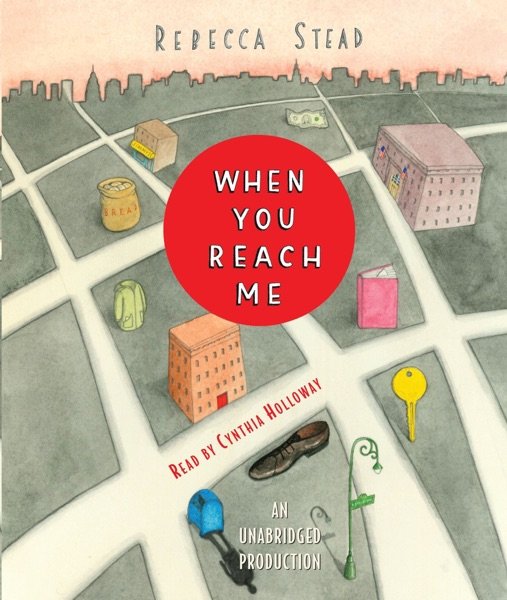
by Rebecca Stead
Middle grade · ages 10–14 · grades 5–9 · 760L · 2020
A puzzle-box mystery that rewards close reading and re-reading; the emotional core (friendship fracture and repair) lands as hard as the plot twist, and 10-year-olds become tiny detectives.
Learn more →·Bookshop.org
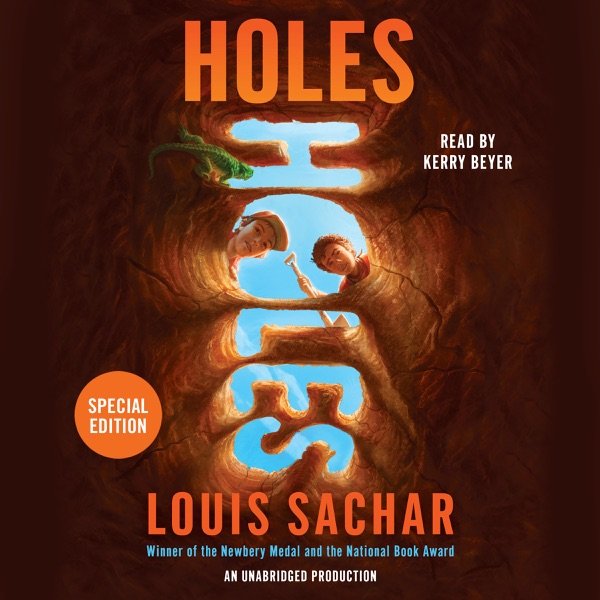
by Louis Sachar
Middle grade · ages 10–14 · grades 5–9 · 740L · 4
A masterwork of interlocking narratives that rewards rereading — kids solve the mystery alongside Stanley, and the structure itself teaches cause-and-effect thinking.
Learn more →·Bookshop.org
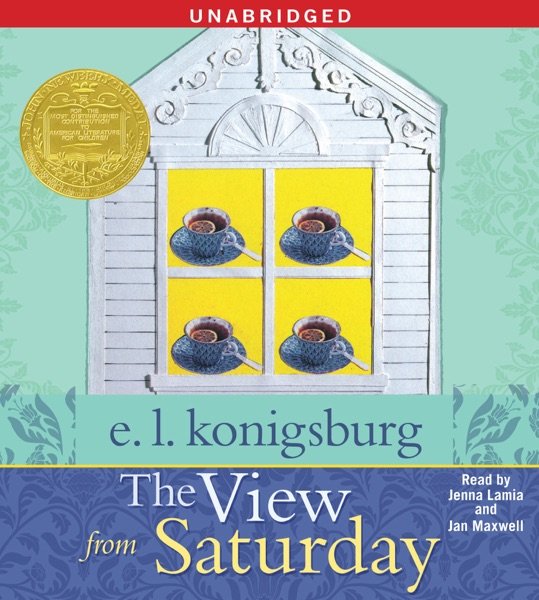
by E. L. Konigsburg
Middle grade · ages 9–12 · grades 4–7 · 760L · 1998
A Newbery winner that actually earns it—the fractured, interlocking narratives teach perspective-taking while celebrating intellectual friendship across difference; rereads even better once you catch all the structural puzzles.
Learn more →·Bookshop.org
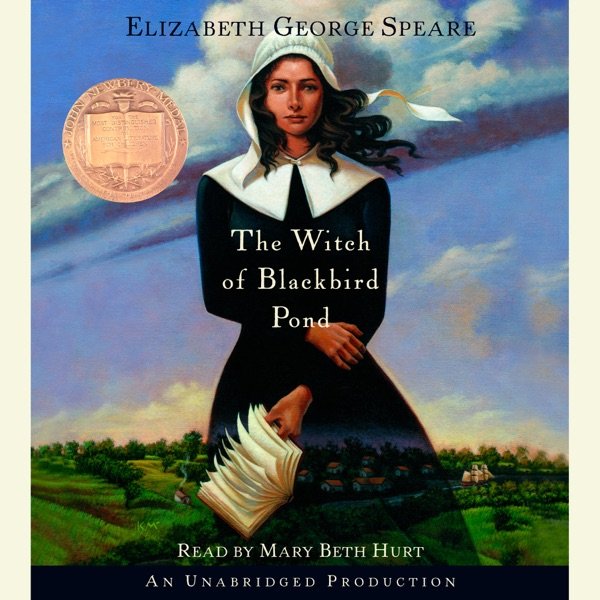
by Elizabeth George Speare
Middle grade · ages 10–14 · grades 5–9 · 790L · 1958
A masterpiece introduction to colonial America and witch hunts that treats both the historical record and Kit's inner life with genuine weight—the accusations feel terrifyingly real, not melodrama.
Learn more →
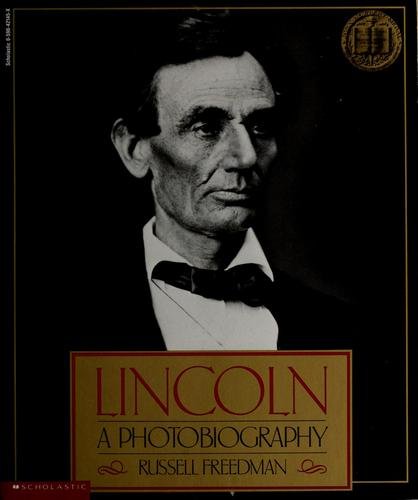
by Russell Freedman
Nonfiction · ages 9–12 · grades 4–7 · 780L · 1988
The gold standard for presidential biography at this age—photographs do the heavy lifting, prose is precise without being dry, and kids grasp both Lincoln's ordinariness and his moral consequence.
Learn more →·Bookshop.org
by Laura Amy Schlitz
Verse novel · ages 10–14 · grades 5–9 · 820L · 2008
A Newbery Medal winner that teaches medieval life through 22 distinct verse voices—challenging, immersive, and genuinely reveals how historical understanding requires inhabiting someone else's constraints.
Learn more →·Bookshop.org
by Jason Reynolds
Verse novel · ages 10–14 · grades 5–9 · 770L · 2018
A devastating, urgent verse novel about a 15-year-old choosing whether to shoot someone for his brother's death — told entirely in an elevator ride. Structurally brilliant and emotionally unflinching; this is serious literature that respects teen readers' capacity to grapple with real moral weight.
Learn more →·Bookshop.org
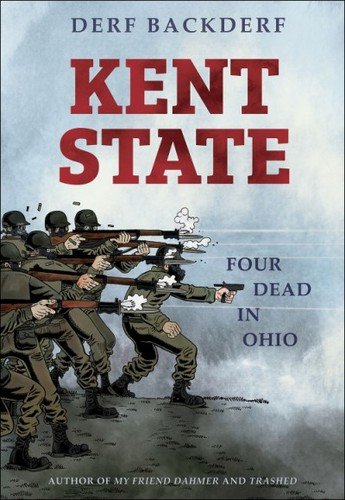
by Derf Backderf
Graphic novel · age 14+ · grade 9+ · 720L · 2020
The definitive graphic account of May 4, 1970—Backderf's documentary precision and restraint make it the rare history book a teenager will actually finish and remember.
Learn more →·Bookshop.org
by Zak Ebrahim
Nonfiction · age 14+ · grade 9+ · 1050L · 2014
Unflinching memoir that trusts middle-graders to grapple with moral complexity; Ebrahim's voice is direct and self-aware, not sanitized, and the arc—from indoctrination to independent choice—is the most honest coming-of-age story on identity and courage available for this age.
Learn more →·Bookshop.org
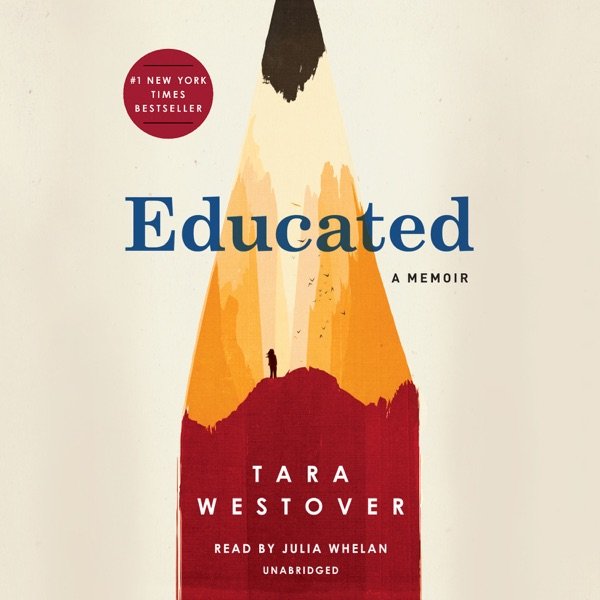
by Tara Westover
Nonfiction · 1050L · 2019
Harrowing, brilliant, and essential — but only for teenagers mature enough to process child abuse, family rupture, and epistemic violence without parental scaffolding; not a book to assign lightly or young.
Learn more →·Bookshop.org
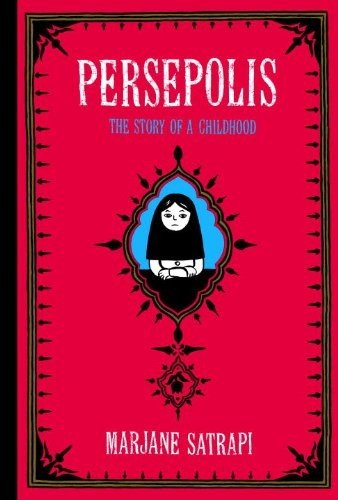
by Marjane Satrapi
Graphic novel · age 13+ · grade 8+ · 680L · 2004
A landmark memoir that teaches empathy without sentiment and history without didacticism—the graphic format makes complex geopolitics accessible to early teens, and Satrapi's voice (wry, unsentimental, often funny) models how to survive without losing yourself.
Learn more →·Bookshop.org
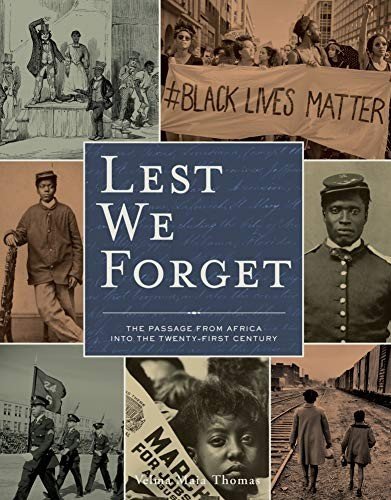
by Velma Maia Thomas
Nonfiction · ages 10–14 · grades 5–9 · 920L · 2019
Essential, unflinching introduction to slavery and African American history for upper-middle-grade readers—treats children as capable of hard truths while centering resilience and resistance alongside trauma.
Learn more →·Bookshop.org
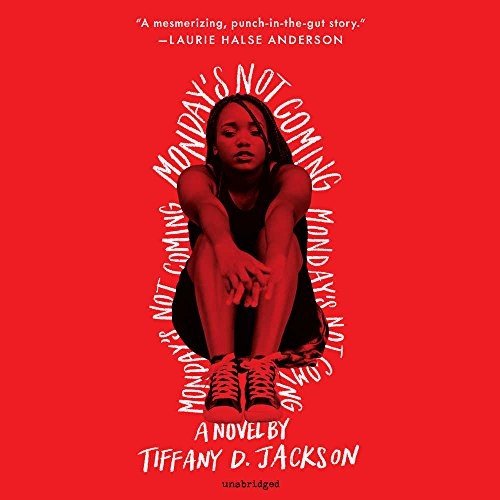
by Tiffany D. Jackson
Young adult · ages 14–18 · grades 9–12 · 800L · 2018
A devastating, structurally brilliant missing-person mystery that interrogates friendship, privilege, and complicity—Jackson refuses easy answers and trusts teens to sit with moral ambiguity.
Learn more →·Bookshop.org
by Unspeakable: The Tulsa Race Massacre
Verse novel · ages 10–14 · grades 5–9 · 680L
Essential, unflinching history told in accessible verse — the kind of book that resets what a child understands about their country and their obligation to know suppressed truths.
Learn more →
by Day of Tears: A Novel in Dialogue
Middle grade · ages 10–14 · grades 5–9 · 720L
Genuinely difficult and unflinching—the dialogue form strips away narrative safety and forces 10+ readers to witness the humanity of the enslaved and the banality of their commodification; not comfortable, but essential.
Learn more →
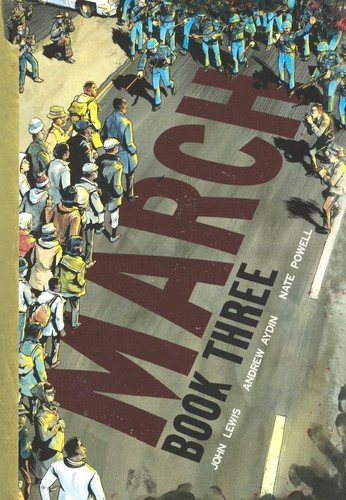
by Nate Powell
Graphic novel · age 13+ · grade 8+ · 520L · 2016
Essential graphic journalism for teens: Powell documents Ferguson with unflinching clarity and deep humanity, showing how young people process and act on systemic injustice—not a comfortable read, but the most honest account for this age.
Learn more →·Bookshop.org
by Slam
Verse novel · ages 12–18 · grades 7–12 · 780L
A verse novel that hits like poetry and plays like sports journalism — Myers captures the pressure, language, and real stakes of a Harlem teen's life without sentimentality or preachiness.
Learn more →
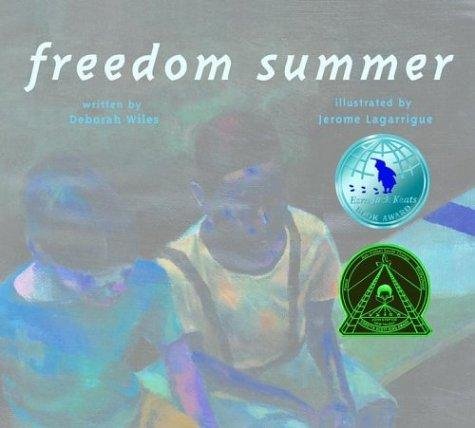
by Deborah Wiles
Picture book · ages 6–10 · grades 1–5 · 620L · 2005
Essential historical picture book that refuses to soften the machinery of segregation while centering a child's moral awakening—illustrated in a way that makes systemic racism visible without being traumatizing.
Learn more →·Bookshop.org
by The Land
Middle grade · ages 10–14 · grades 5–9 · 770L
The prequel no one expected to need — Taylor roots the Logan family saga in the raw economic and legal racism that shaped everything; a 10-year-old will feel the injustice on every page.
Learn more →
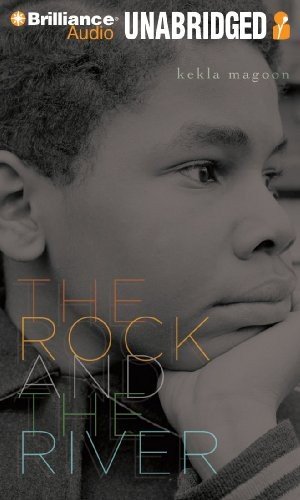
by Kekla Magoon
Young adult · ages 12–18 · grades 7–12 · 820L · 2010
A devastating and honest portrait of the 1968 Chicago uprising that refuses easy answers — Sam's split loyalty between his nonviolent father and activist brother becomes the reader's moral reckoning too.
Learn more →·Bookshop.org
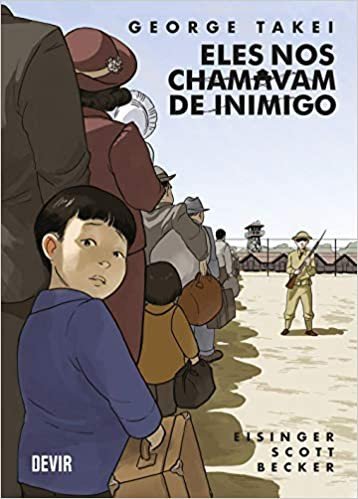
by George Takei
Graphic novel · ages 13–18 · grades 8–12 · 680L · 2020
Essential graphic memoir that teaches a painful, often-omitted chapter of American history through a child's eyes — moving, age-appropriate, and quietly powerful.
Learn more →·Bookshop.org
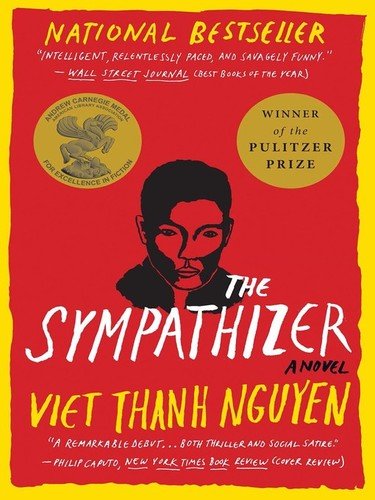
by Viet Thanh Nguyen
Young adult · age 18+ · grade 12+ · 1050L · 2015
A Pulitzer winner that reframes the Vietnam War through a Vietnamese spy's unreliable confession—literary, formally inventive, and genuinely difficult in ways that matter for older teens willing to sit with moral ambiguity and historical trauma.
Learn more →·Bookshop.org
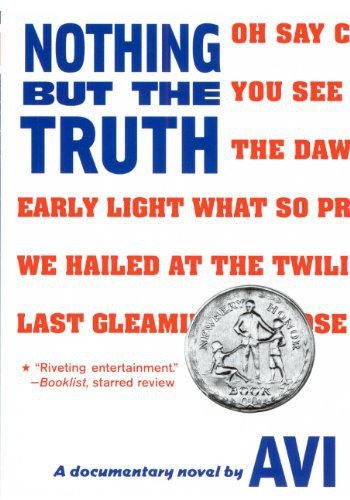
by Avi
Middle grade · ages 10–14 · grades 5–9 · 780L · 2010
A genuinely clever novel that teaches media literacy and perspective-taking without preaching—the format itself is the lesson, and kids debate it long after finishing.
Learn more →·Bookshop.org
by Candace Fleming
Nonfiction · ages 10–14 · grades 5–9 · 1050L · 2014
Gripping, scrupulously researched, and honest about what we don't know—a rare history book that treats kids as capable of handling both tragedy and ambiguity.
Learn more →·Bookshop.org
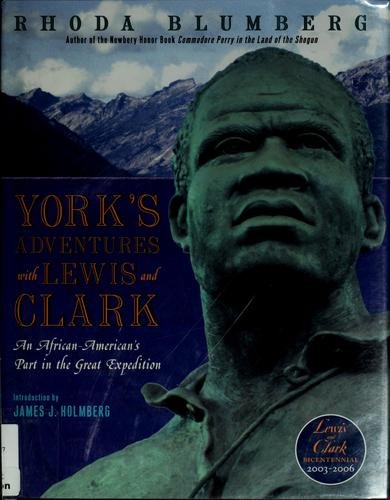
by Rhoda Blumberg
Nonfiction · ages 8–12 · grades 3–7 · 790L · 2004
The only children's biography that treats York as a thinking subject rather than a sidecar to Lewis and Clark; Blumberg's honesty about historical gaps models what real scholarship looks like.
Learn more →·Bookshop.org
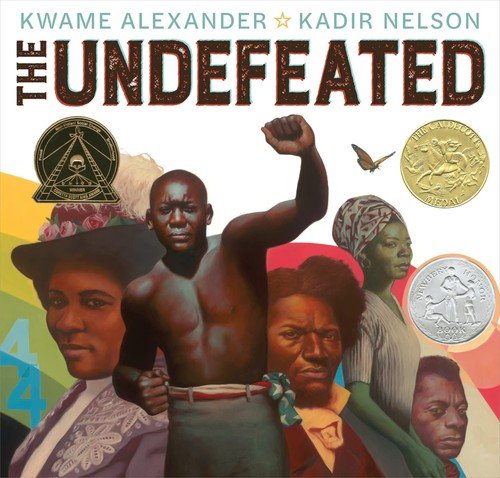
by Kwame Alexander
Verse novel · ages 10–14 · grades 5–9 · 620L · 2019
A landmark book that uses verse to make 500 years of Black American history personal and urgent—kids understand their own power within a larger story.
Learn more →·Bookshop.org
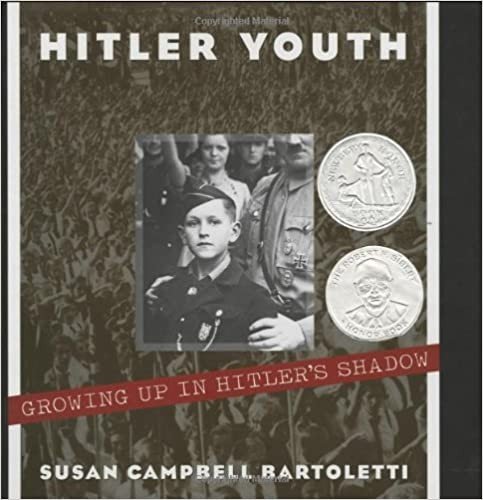
by Susan Campbell Bartoletti
Nonfiction · age 10+ · grade 5+ · 1050L · 2004
The most honest, unflinching introduction to how propaganda works on young minds—essential reading for understanding WWII and how democracies stay vigilant.
Learn more →·Bookshop.org
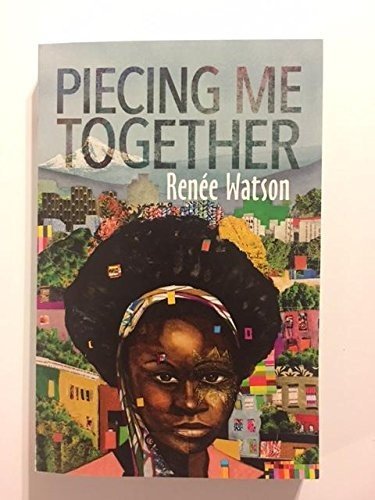
by Renée Watson
Middle grade · ages 10–14 · grades 5–9 · 780L · 2017
Quiet, unflinching portrait of a girl learning to trust her own vision—both literal (through collage) and metaphorical—when adults and peers constantly frame her through their own biases; the collage illustrations are structural, not decorative.
Learn more →·Bookshop.org
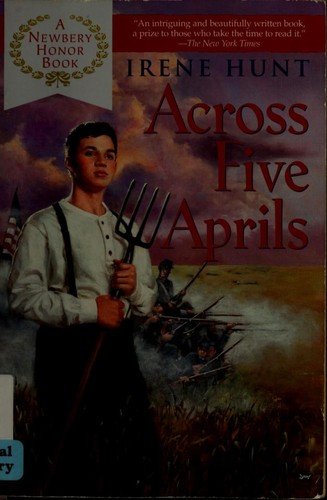
by Irene Hunt
Middle grade · ages 10–14 · grades 5–9 · 780L · 2002
The gold standard for introducing the Civil War through a child's eyes—emotionally mature, historically rigorous, and completely unsentimental about the cost of conflict.
Learn more →·Bookshop.org
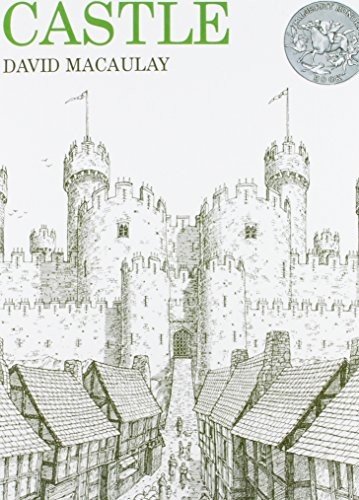
by David Macaulay
Nonfiction · ages 8–12 · grades 3–7 · 720L · 2007
Macaulay's masterpiece — architectural history made visceral through illustration and narrative; kids who engage deeply will ask real questions about how things are built.
Learn more →·Bookshop.org
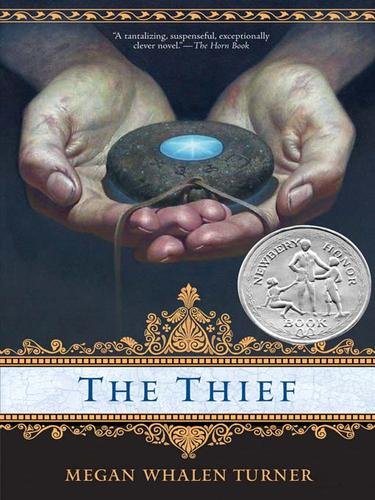
by Megan Whalen Turner
Middle grade · ages 10–14 · grades 5–9 · 810L · 2009
A puzzle-box of a book that respects readers' intelligence—the kind of reread that clicks differently once you know the twist, and kids genuinely want to turn back to the beginning to catch what they missed.
Learn more →·Bookshop.org
by Elizabeth Marie Pope
Middle grade · ages 10–14 · grades 5–9 · 780L · 1992
A Newbery honor book that hasn't aged — intricate historical mystery with real stakes, folkloric depth, and a heroine who thinks her way through peril rather than through luck or magic.
Learn more →·Bookshop.org
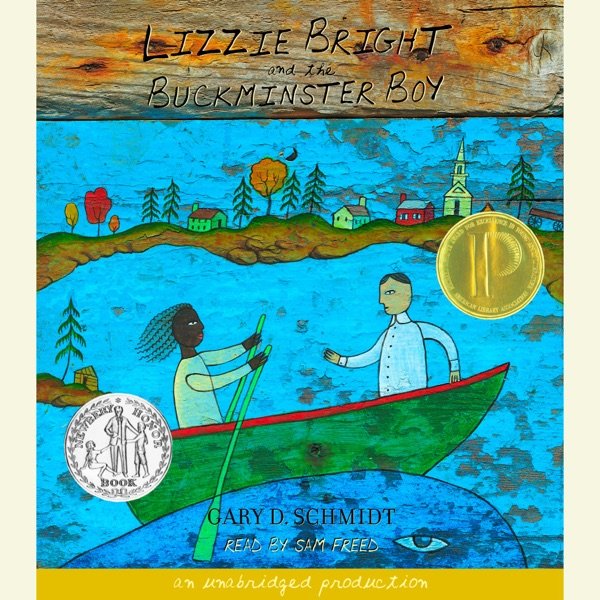
by Gary D. Schmidt
Middle grade · ages 10–14 · grades 5–9 · 780L · 2013
A sobering, beautifully written lesson in what friendship and conscience actually cost — and why they matter anyway; the historical racism is depicted unflinchingly but not voyeuristically.
Learn more →·Bookshop.org
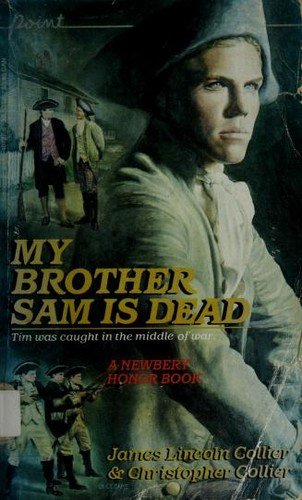
by James Lincoln Collier
Middle grade · ages 10–14 · grades 5–9 · 800L
A genuinely unflinching middle-grade novel about the Revolutionary War that refuses easy patriotic closure—Sam's death is the consequence of his choices, not glorification of them.
Learn more →
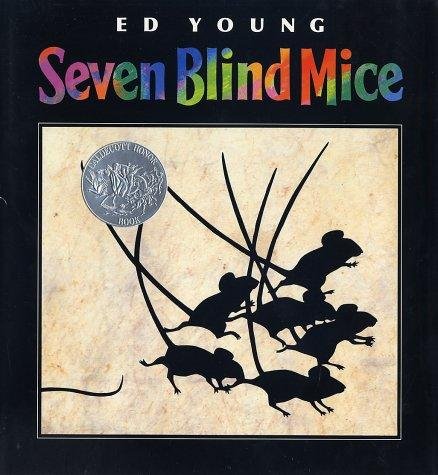
by Ed Young
Picture book · ages 4–8 · grades K–3
A picture-book masterpiece that teaches perspective-taking without sermonizing — the stunning cut-paper illustrations make each mouse's misinterpretation genuinely funny and believable.
Learn more →·Bookshop.org
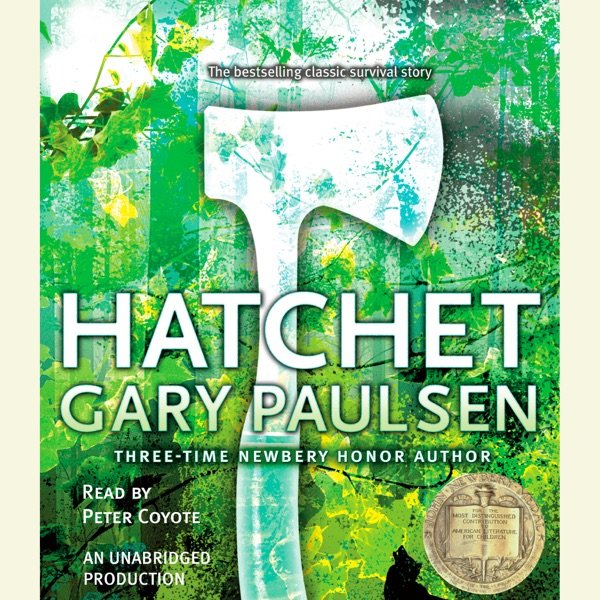
by Gary Paulsen
Middle grade · ages 10–14 · grades 5–9 · 760L · 2000
The survival standard: immediate, emotionally honest, and structured around problem-solving and failure-iteration that kids internalize deeply — far more memorable than its competitors because the stakes feel real and the solutions earned.
Learn more →·Bookshop.org
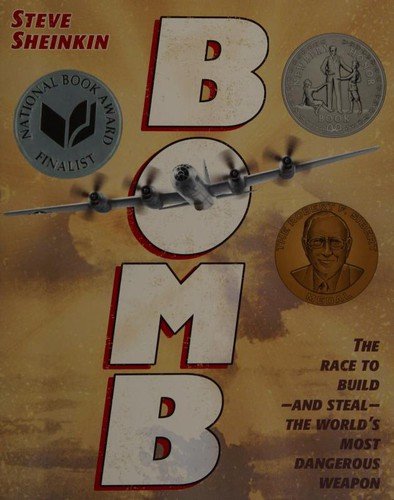
by Steve Sheinkin
Nonfiction · ages 10–14 · grades 5–9 · 820L · 3
A genuine page-turner that makes nuclear physics and WWII espionage accessible to smart 11-year-olds without dumbing down the science or the moral complexity.
Learn more →·Bookshop.org
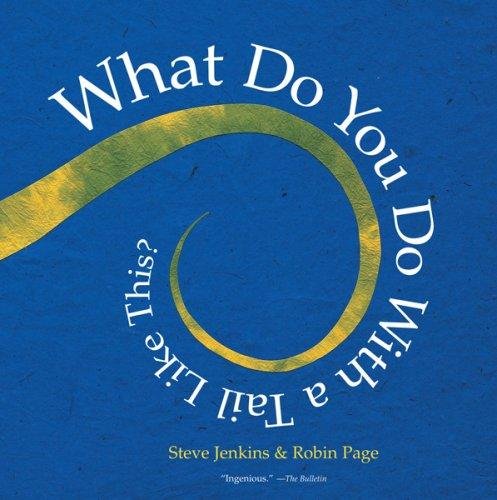
by Steve Jenkins
Picture book · ages 4–8 · grades K–3 · 600L · 2003
Jenkins's collage art makes every page-turn irresistible; kids learn animal adaptation through genuine discovery, not lecture.
Learn more →
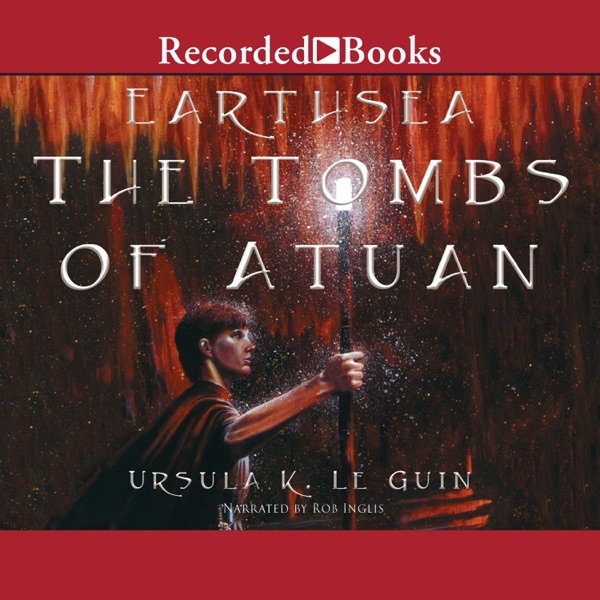
by Ursula K. Le Guin
Middle grade · ages 10–14 · grades 5–9 · 800L · 1992
A stunning exploration of how identity is imposed and reclaimed—Tenar's quiet rebellion against her own erasure is more gripping than any sword fight, and Le Guin's prose makes the underground labyrinth feel like a character itself.
Learn more →·Bookshop.org
by Russell Freedman
Nonfiction · ages 9–12 · grades 4–7 · 780L · 1
Freedman's prose makes the technical and human details equally vivid; kids discover that breakthrough invention looks like obsessive tinkering and failure, not inspiration.
Learn more →·Bookshop.org
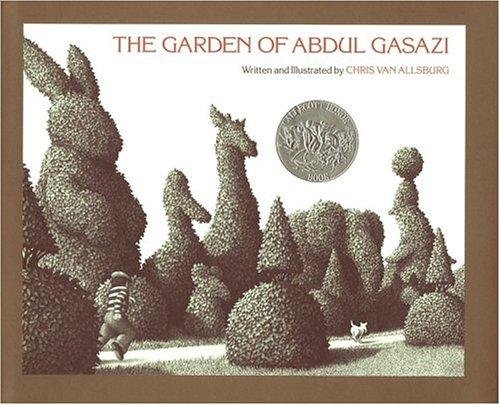
by Chris Van Allsburg
Picture book · ages 4–8 · grades K–3 · 740L · 1979
A masterpiece of visual storytelling where the pictures are the plot—Van Allsburg's charcoal illustrations force kids to look harder than the text alone demands, and the ending reframes everything.
Learn more →·Bookshop.org
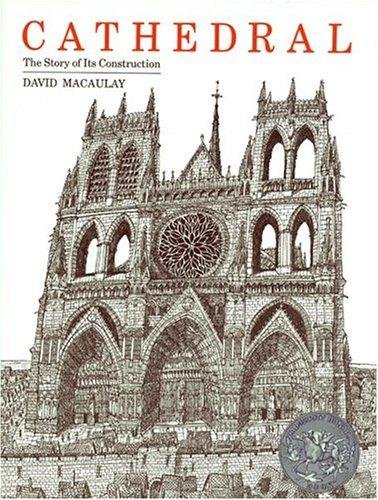
by David Macaulay
Nonfiction · ages 8–12 · grades 3–7 · 720L · 1973
The gold standard for teaching kids that buildings are solved problems—Macaulay's pen drawings are so clear that 8-year-olds grasp why cathedrals are built the way they are, and curious kids will return to it for years.
Learn more →·Bookshop.org
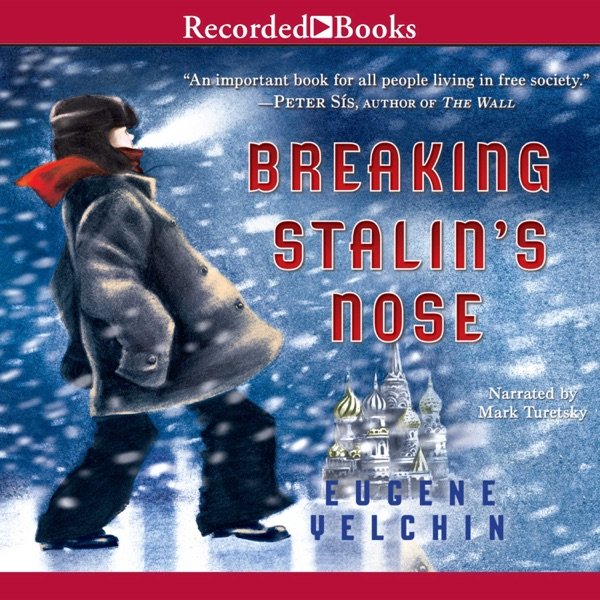
by Eugene Yelchin
Middle grade · ages 10–14 · grades 5–9 · 720L · 2013
A haunting, precisely written indictment of totalitarianism told through a 10-year-old's loss of innocence—rare for this age group and unforgettable; parents should know it ends in genuine loss, not redemption.
Learn more →·Bookshop.org
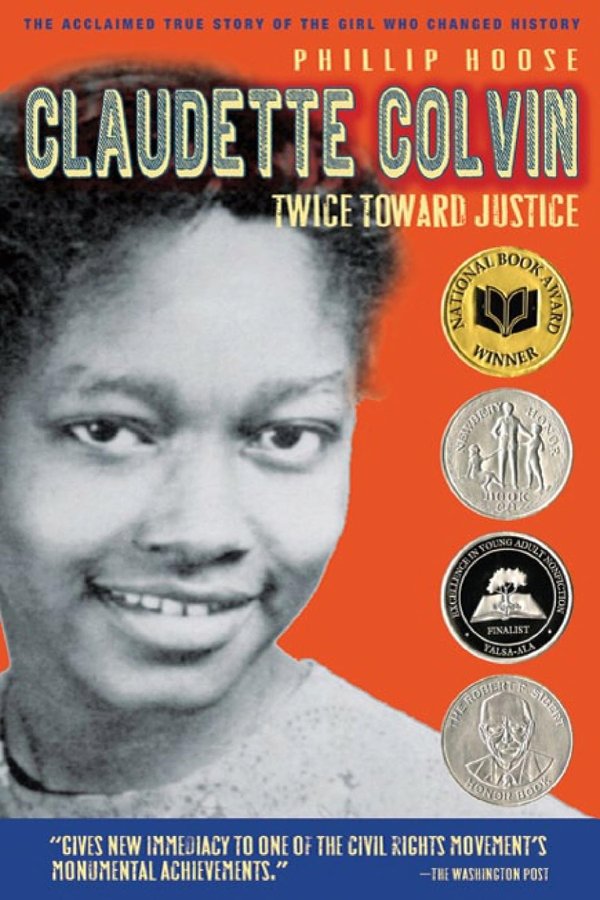
by Phillip Hoose
Nonfiction · ages 10–14 · grades 5–9 · 820L · 2010
The book that should be taught instead of (or alongside) Rosa Parks—immediate, deeply researched, and co-authored with Claudette herself, making it both historically authoritative and emotionally resonant for kids discovering real people with real moral agency.
Learn more →·Bookshop.org

by Nancy Farmer
Middle grade · ages 10–14 · grades 5–9 · 810L · 2003
A genuinely complex coming-of-age novel that treats cloning and identity as philosophical problems, not gimmicks—Farmer builds a vivid dystopian world without talking down to readers.
Learn more →·Bookshop.org
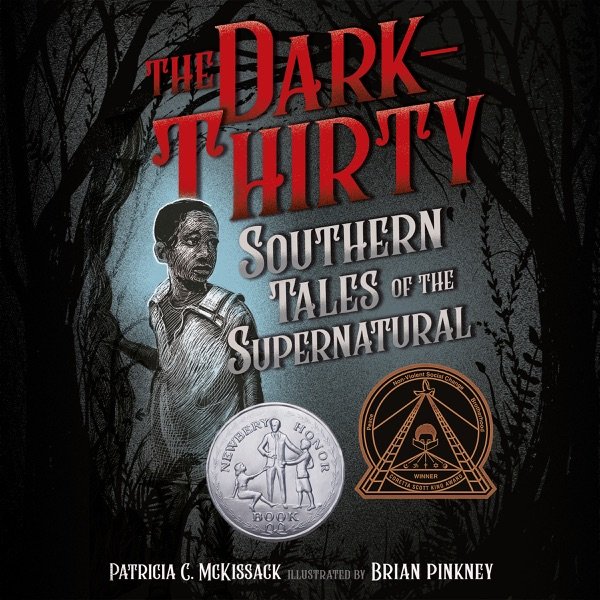
by Patricia McKissack
Middle grade · ages 9–12 · grades 4–7 · 780L · 1996
McKissack's frame-story masterpiece weaves African American folklore, history, and suspense into 30 unforgettable tales that reward rereading and conversation — the kind of book that makes kids *think* about what scares them and why.
Learn more →·Bookshop.org
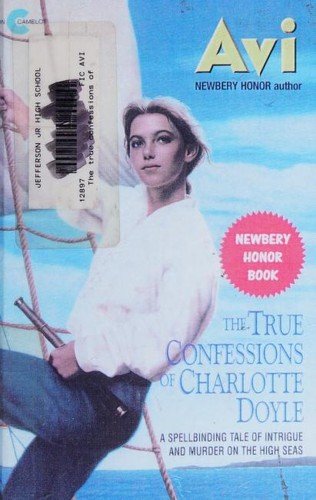
by Avi
Middle grade · ages 10–14 · grades 5–9 · 790L · 1992
A gripping coming-of-age sea adventure that doubles as a serious meditation on identity, moral courage, and class — the kind of book that makes 11-year-olds argue about what they would have done.
Learn more →·Bookshop.org
by Ashley Bryan
Picture book · ages 4–8 · grades K–3 · 620L · 1986
Ashley Bryan's illustrations and oral storytelling rhythm make these Ghanaian and West African tales unforgettable; the humor lands on multiple levels and kids absorb cultural worldview without sermon.
Learn more →·Bookshop.org
