A grief novel that moves like basketball—fast, playful, brutal, then tender—and uses verse form to make emotional honesty feel natural rather than forced.
Why this fits: Josh must repair his fractured relationship with his twin Jaden after months of drift; the climax hinges on vulnerability, confession, and Josh's recommitment to his brother over basketball glory.
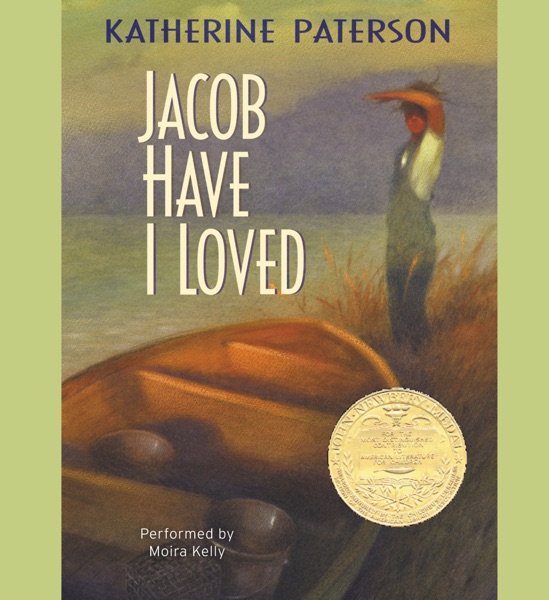
A Newbery winner that actually deserves it—Paterson writes sibling resentment and reconciliation with such honesty that kids recognize their own families, and the 1941 Chesapeake setting carries real historical weight without preaching.
Why this fits: Sara must actively reconcile with Caroline after years of estrangement and resentment; the book models how repair requires seeing the other person's full humanity, not just one's own injury.
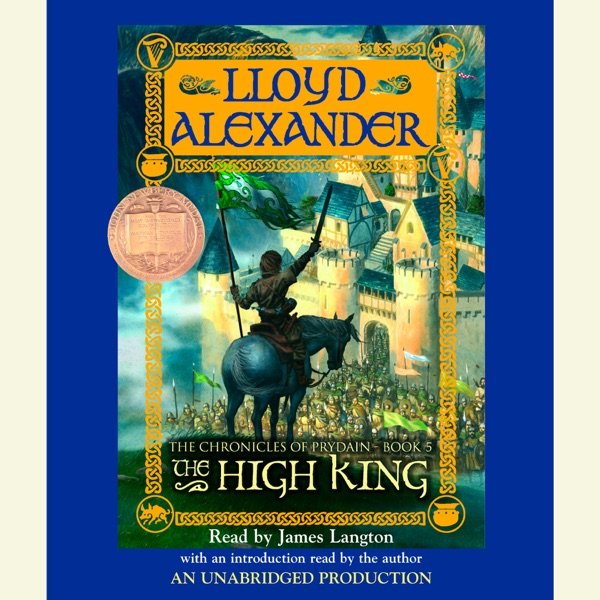
The rare fantasy finale that doesn't betray its series—Taran's choice to remain mortal and ordinary is genuinely moving, and the prose does work that feels grown-up without losing the adventure.
Why this fits: Taran spends the series—culminating here—learning to acknowledge his pride and recklessness, make amends to companions, and grow into true leadership through accountability.
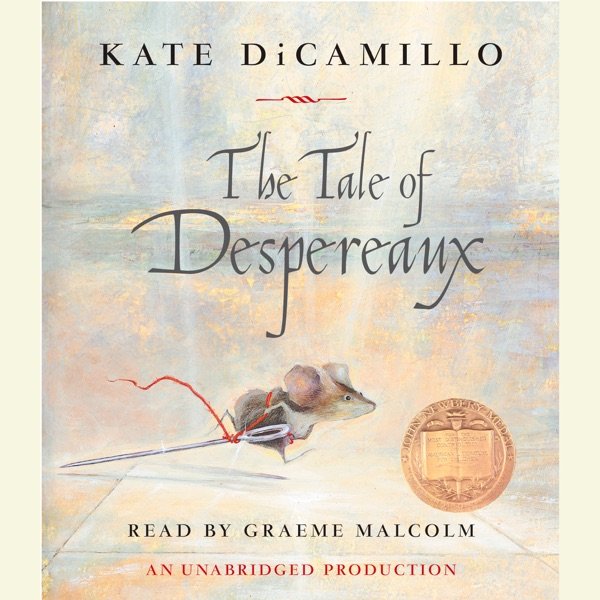
A fairy tale with the weight and language of literature; the narrator speaks directly to readers with philosophical tenderness, and the revenge-and-redemption plot rewards a patient, emotionally mature child.
Why this fits: The climax hinges on Despereaux's plea for forgiveness from those he's wronged and his acceptance of forgiveness from others. Miggery Soufflé and the rat king both experience transformative moments of seeking and offering forgiveness, centering repair as redemptive.
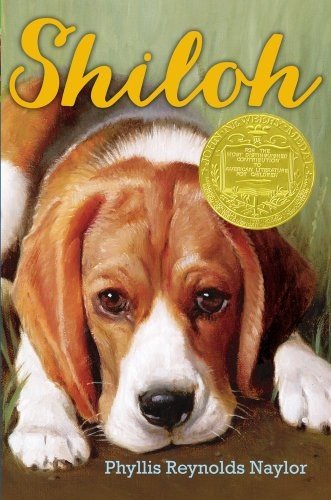
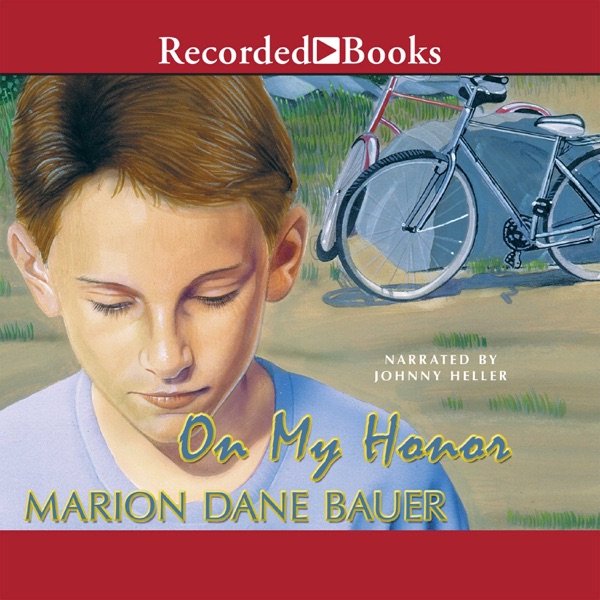
A rare middle-grade book about moral ambiguity and lying that doesn't preach — Marty's deception feels real and costly, and the ending respects both his love and the hard truths he has to swallow.
Why this fits: Marty's entire arc involves lying to his parents about hiding the abused dog, then confronting the cost of deception and learning to repair trust through honesty and facing consequences. The resolution hinges on his willingness to admit wrongdoing and work toward making things right.
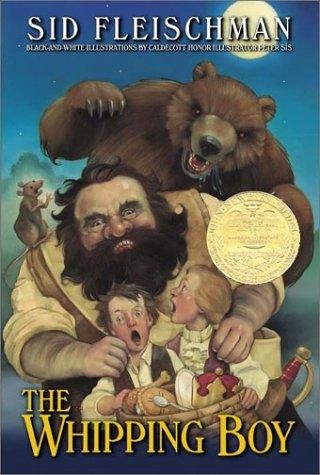
A Newbery that actually deserved it — adventure plot that carries real moral weight, two protagonists who earn their redemption, and a vocabulary stretch without feeling didactic.
Why this fits: The plot's engine is two boys—the spoiled prince and the scapegoated whipping boy—learning accountability for their actions and rebuilding trust after real harm. Jemmy's forgiveness and the prince's genuine remorse form the climax.
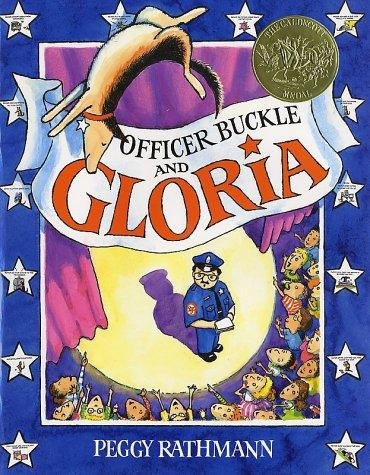
A deceptively clever book about loneliness, friendship, and the courage to be authentic—wrapped in slapstick dog antics that keep kids laughing while the emotional arc quietly lands.
Why this fits: Officer Buckle and Gloria must repair their fractured friendship through honest conversation and reconciliation when the pretense breaks down, modeling direct repair.
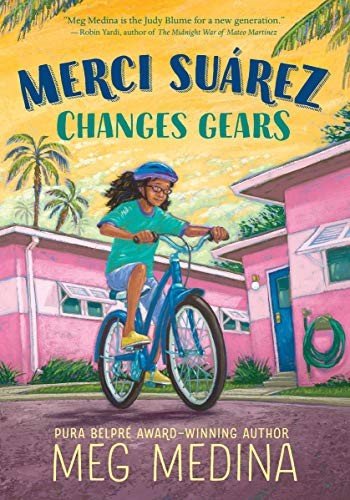
A modern, unflinching look at class and identity that respects a 10-year-old's real-world complexity—Merci is flawed, funny, and does the work of understanding someone different from her.
Why this fits: Merci's journey involves recognizing when she's hurt Lali and working to repair the friendship authentically, though the focus is broader than repair mechanics alone.
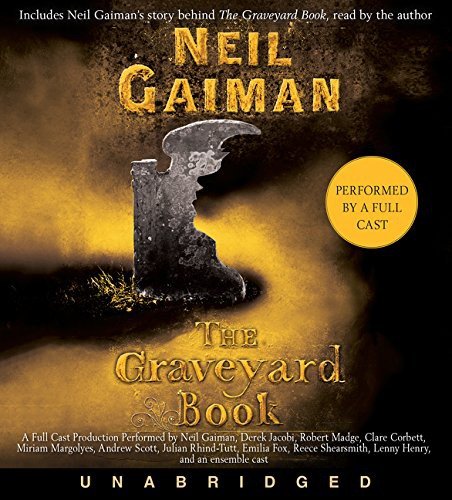
Gaiman's masterwork for this age — genuinely spooky without being traumatizing, literary without being precious, and anchored by a protagonist who is both tender and brave.
Why this fits: The man Jack and the broader mystery involve cycles of harm and its aftermath; Nobody's encounters with living friends require understanding, forgiveness, and repair across the boundary between living and dead.
DiCamillo's most literary middle-grade novel—a tender, funny story about the courage it takes to love something weird and to admit you've hurt the people closest to you.
Why this fits: Flora's journey involves recognizing how her dismissal of her mother's emotions and her own unkindness to her father created distance; the novel centers on her learning to acknowledge harm, apologize genuinely, and rebuild fractured family relationships through vulnerability.
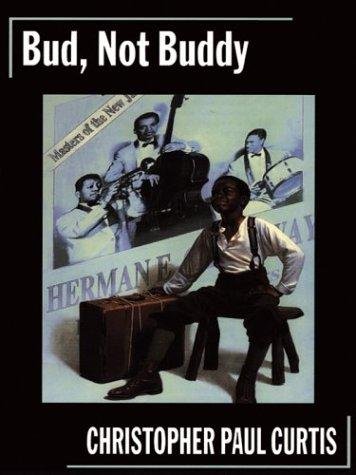
A Newbery winner that actually deserves it—funny, heart-wrenching, and wise about what family means, set against a real historical backdrop that grounds the story without overwhelming it.
Why this fits: The climax hinges on Bud's father acknowledging abandonment and the two working toward understanding. The book models how people can repair broken relationships with humility and time.
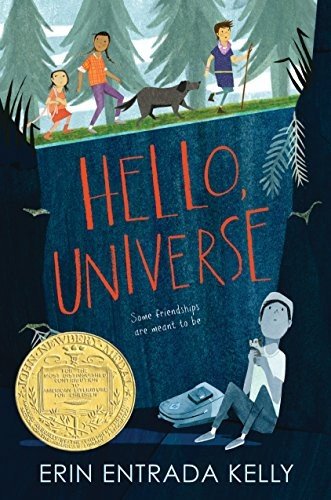
A masterclass in the multivoice middle-grade novel—each kid's interior world is specific and dignified, the plot serves character development rather than action, and the resolution trusts readers to feel the weight of apology.
Why this fits: Characters must acknowledge wrongdoing and rebuild relationships after conflict: Chet faces his own meanness and repairs trust with Virgil; Valencia and Kaori confront their complicity in exclusion. The resolution depends on genuine apology, not just forgiveness.
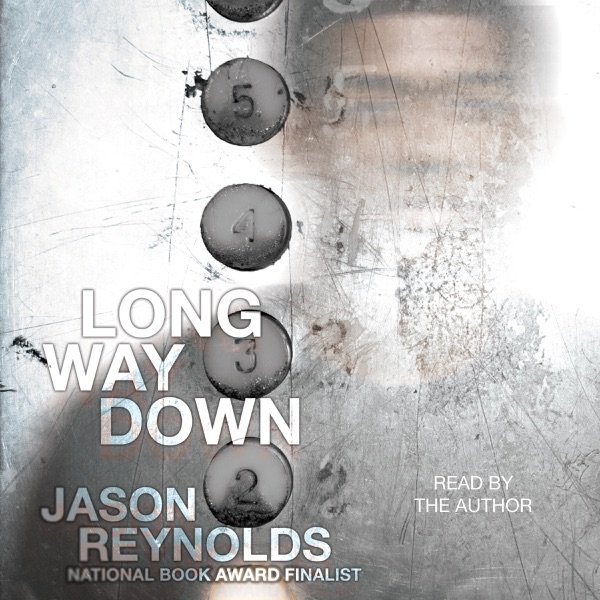
A devastating, urgent verse novel about a 15-year-old choosing whether to shoot someone for his brother's death — told entirely in an elevator ride. Structurally brilliant and emotionally unflinching; this is serious literature that respects teen readers' capacity to grapple with real moral weight.
Why this fits: Through conversations with ghost-passengers representing his family and community, Will grapples with breaking cycles of violence and whether reconciliation or accountability is possible.
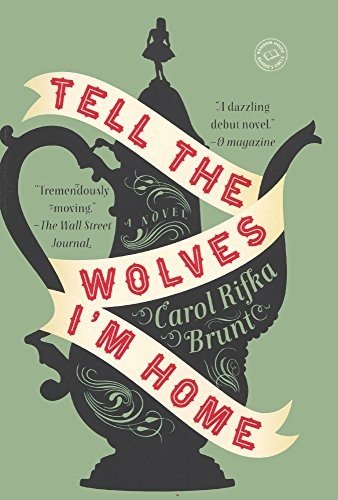
A devastating, beautifully written coming-of-age novel about grief and family silence in the AIDS crisis—unflinching without being bleak, and genuinely transformative for readers ready for it.
Why this fits: Molly's relationship with her uncle evolves after his death; she grapples with misunderstanding him and finds ways to honor his memory and repair fractured family bonds.
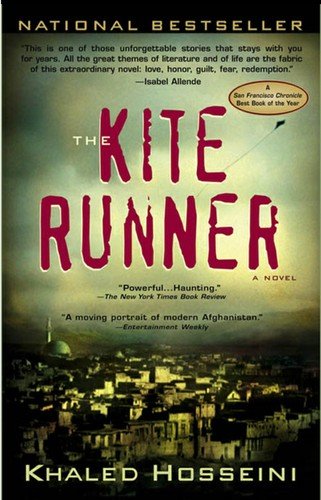
A stunning, unflinching portrait of childhood moral failure and decades-long redemption; the voice is intimate and the ethical questions will stay with readers well past 14.
Why this fits: The entire second half of the novel centers on Amir's journey to atone for his childhood betrayal of Hassan and his decades-long silence. Redemption through confronting harm and attempting repair is the book's thematic spine.
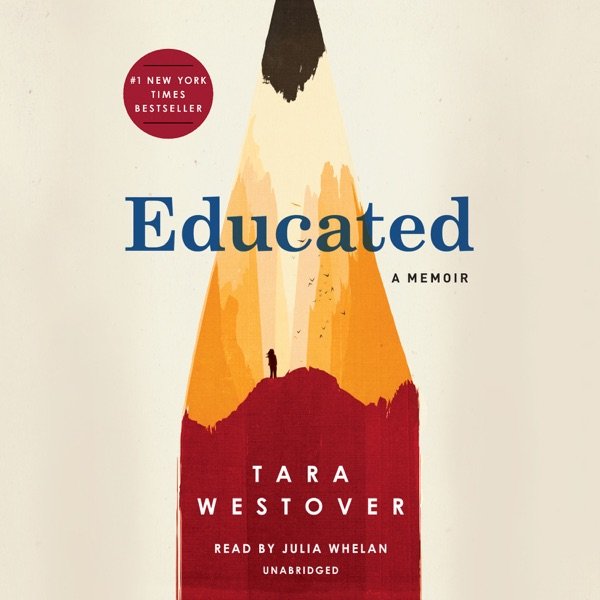
Harrowing, brilliant, and essential — but only for teenagers mature enough to process child abuse, family rupture, and epistemic violence without parental scaffolding; not a book to assign lightly or young.
Why this fits: The final chapters grapple with family estrangement and Tara's struggle to forgive her parents and brother for enabling abuse; the memoir models the limits of repair when the other party refuses accountability.
Essential testimony, not assigned reading — the prose is honest and unflinching; a 14-year-old ready for adult truths will be changed by it, but this is a conversation-with-a-parent book, not a solo read.
Why this fits: The second half traces Beah's path through rehabilitation and his eventual confrontation with his own complicity as a soldier — including acts he committed under duress. His journey toward accountability and reintegration into society is central to the arc.
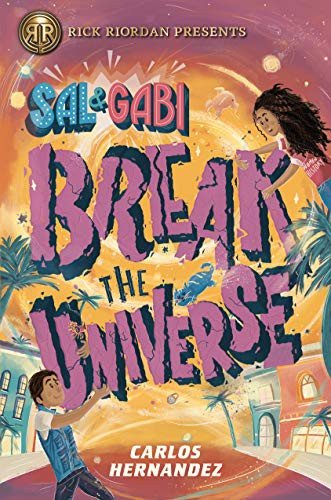
A genuinely inventive middle-grade about father-son repair wrapped in universe-hopping magic — funny, emotionally smart, and so specific to Cuban-American family life that it feels fresh.
Why this fits: The central plot hinges on Sal's broken relationship with his estranged father and his effort to repair it through magic and honesty; the climax involves genuine apology and emotional reconciliation.
A genuinely moving book about how cruelty disguises itself as normality—Hillary's journey from skeptical outsider to true friend feels earned, and Sara's inner world is treated with real dignity.
Why this fits: Hillary must confront how she and other children have treated Sara, and the ending involves genuine reconciliation and changed behavior.
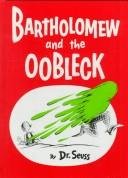
Seuss at his most serious: a kid solves a crisis by speaking up when adults won't listen, the king learns humility through apology, and the language is so playful it carries thematic weight without preaching.
Why this fits: The king's climactic apology to Bartholomew—and his recognition that summoning the oobleck was a prideful mistake—models genuine repair and humility after causing harm.
A deceptively clever book about loneliness, friendship, and the courage to be authentic—wrapped in slapstick dog antics that keep kids laughing while the emotional arc quietly lands.
Why this fits: Officer Buckle and Gloria must repair their fractured friendship through honest conversation and reconciliation when the pretense breaks down, modeling direct repair.
Harrowing, brilliant, and essential — but only for teenagers mature enough to process child abuse, family rupture, and epistemic violence without parental scaffolding; not a book to assign lightly or young.
Why this fits: The final chapters grapple with family estrangement and Tara's struggle to forgive her parents and brother for enabling abuse; the memoir models the limits of repair when the other party refuses accountability.
Seuss at his most serious: a kid solves a crisis by speaking up when adults won't listen, the king learns humility through apology, and the language is so playful it carries thematic weight without preaching.
Why this fits: The king's climactic apology to Bartholomew—and his recognition that summoning the oobleck was a prideful mistake—models genuine repair and humility after causing harm.
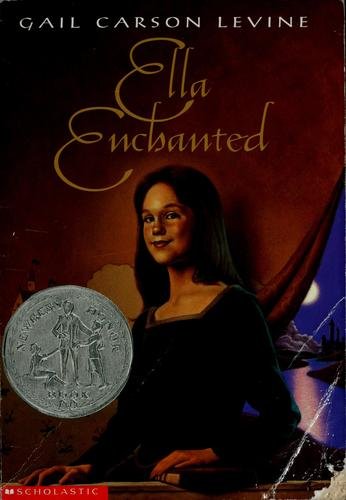
A fairy-tale retelling that swaps beauty for actual character growth—Ella fights her curse by refusing victimhood, and the romance serves her agency instead of crowning it.
Why this fits: Central relationships (with father, with Char) involve misunderstanding and repair; Ella must confront her family's wrongs and work toward forgiveness rather than resentment.
Zelinsky's lush, unsettling paintings transform the fairy tale into genuine gothic storybook art—beautiful and a little frightening, which is exactly right for a tale about real stakes and real children outsmarting evil.
Why this fits: The parents' abandonment is addressed when the children return home; the stepmother has died and the father expresses remorse, allowing for reconciliation and family repair.
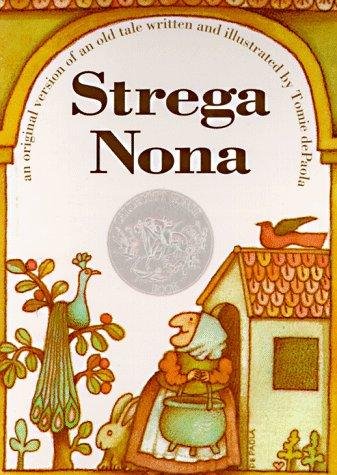
A masterpiece of visual storytelling that teaches cause-and-effect through pure comedy—kids remember Big Anthony's humiliation and the pasta flood for years, and the illustrations tell half the story.
Why this fits: Big Anthony must undo his mistake by eating all the pasta and reversing the spell with Strega Nona's help, showing accountability through action rather than words.
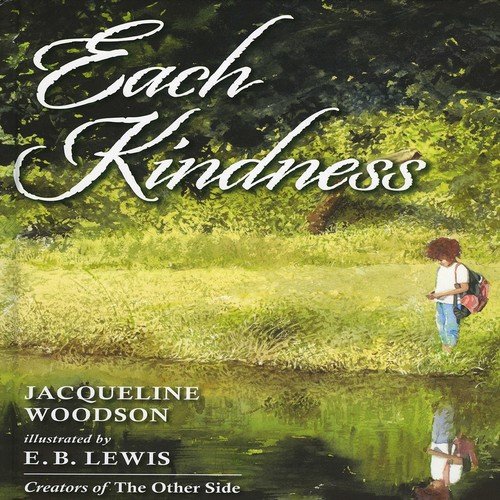
One of the most honest books about social cruelty for this age—no easy redemption, no villain, just a kid learning that kindness isn't sentiment but action, and inaction costs real people.
Why this fits: The climax centers on the protagonist's remorse over excluding Maya and the impossibility of undoing that harm. The ending suggests that repair is about changed behavior going forward, not erasing the past.
Crenshaw's debut picture book cuts straight to how Black girls' assertiveness gets weaponized — warm, funny, and politically clear without preaching.
Why this fits: Adults in the story eventually recognize their misunderstanding and the protagonist learns when and how to address conflict, modeling accountability on both sides.
Sendak's most psychologically complex picture book—visually unsettling in the best way, emotionally mature about sibling guilt and bravery, and genuinely scary without being traumatic.
Why this fits: Ida's journey is explicitly motivated by guilt over her neglect of her brother; the story is about making amends and repairing the sibling bond through action.
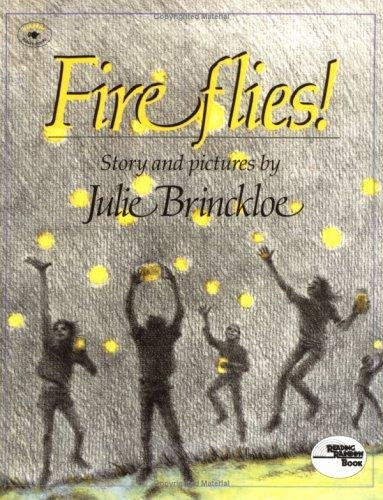
A quiet masterpiece about the exact moment a child learns that love sometimes means letting go—the watercolor illustrations are luminous and the emotional arc is genuinely moving without being heavy.
Why this fits: Though implicit rather than explicit, the boy's release of the fireflies represents repair—undoing harm by letting go, a subtle but powerful lesson in making amends.
A deceptively profound picture book disguised as slapstick — Horton's unflagging commitment to a stranger's egg teaches what kindness actually costs, and Seuss's rollicking verse makes it fun to revisit.
Why this fits: Mayzie returns to the nest at the climax, and the resolution suggests reciprocal care; the focus is more on Horton's virtue than on repair dialogue, but the ending implies relational healing.
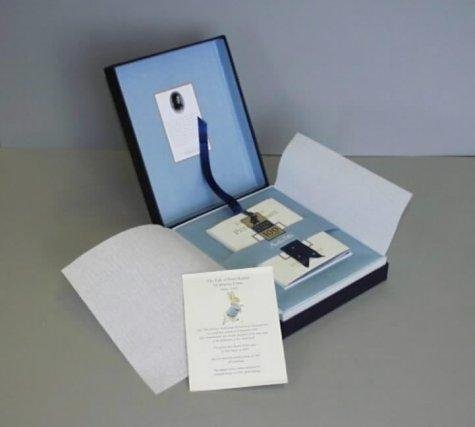
Potter's prose and watercolors are unmatched; kids absorb rhythm and consequence without moralizing, and the real stakes (Mr. McGregor, the dog) make Peter's escape genuinely earned.
Why this fits: Peter loses his shoes and jacket and returns home bedraggled and chastened. His mother cares for him while his siblings enjoy supper — a gentle consequence for transgression.
A folkloric friendship tale with gorgeous scratchboard art that teaches loyalty without preachiness; the Caribbean setting and oral-storytelling rhythm stay with kids.
Why this fits: After jealousy and misunderstanding drive conflict between the friends, their reconciliation involves genuine acknowledgment and reestablished trust.
A 1930s picture book that still lands — simple premise, big illustrations, and the core idea (kindness to an animal saves you later) is earned, not preachy.
Why this fits: The lion redeems itself and helps Andy escape danger, showing that past conflicts can be resolved through changed behavior and mutual respect.
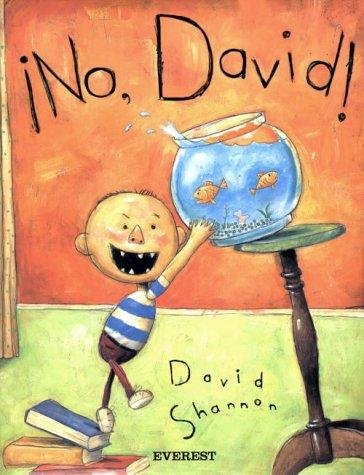
A permission slip for toddlers to see themselves misbehaving and laugh; parents appreciate that it ends with genuine warmth, not shame.
Why this fits: The final spread shows David saying 'Yes, David' and being hugged by his mother, establishing that rule-breaking has consequences and reconciliation follows — though it's lighthearted rather than a deep exploration of repair.
A pure-fun absurdist romp that sneaks cause-and-effect reasoning into picture-book reread territory; kids love the repeated "click, clack, moo" and the idea of animals outsmarting the farmer.
Why this fits: The conflict between animals and farmer is resolved through compromise and restoration of goodwill, not capitulation or punishment; both sides acknowledge the other's needs.
A gentle, age-appropriate exploration of friendship rupture and repair that treats children's social conflicts with real seriousness — helps kids name what happened and imagine walking it back.
Why this fits: The title and premise directly address whether former friends can reconcile after conflict; the book explores the mechanics of repairing a broken friendship.
A grief novel that moves like basketball—fast, playful, brutal, then tender—and uses verse form to make emotional honesty feel natural rather than forced.
Why this fits: Josh must repair his fractured relationship with his twin Jaden after months of drift; the climax hinges on vulnerability, confession, and Josh's recommitment to his brother over basketball glory.
A fairy tale with the weight and language of literature; the narrator speaks directly to readers with philosophical tenderness, and the revenge-and-redemption plot rewards a patient, emotionally mature child.
Why this fits: The climax hinges on Despereaux's plea for forgiveness from those he's wronged and his acceptance of forgiveness from others. Miggery Soufflé and the rat king both experience transformative moments of seeking and offering forgiveness, centering repair as redemptive.
A rare middle-grade book about moral ambiguity and lying that doesn't preach — Marty's deception feels real and costly, and the ending respects both his love and the hard truths he has to swallow.
Why this fits: Marty's entire arc involves lying to his parents about hiding the abused dog, then confronting the cost of deception and learning to repair trust through honesty and facing consequences. The resolution hinges on his willingness to admit wrongdoing and work toward making things right.
A Newbery that actually deserved it — adventure plot that carries real moral weight, two protagonists who earn their redemption, and a vocabulary stretch without feeling didactic.
Why this fits: The plot's engine is two boys—the spoiled prince and the scapegoated whipping boy—learning accountability for their actions and rebuilding trust after real harm. Jemmy's forgiveness and the prince's genuine remorse form the climax.
A modern, unflinching look at class and identity that respects a 10-year-old's real-world complexity—Merci is flawed, funny, and does the work of understanding someone different from her.
Why this fits: Merci's journey involves recognizing when she's hurt Lali and working to repair the friendship authentically, though the focus is broader than repair mechanics alone.
DiCamillo's most literary middle-grade novel—a tender, funny story about the courage it takes to love something weird and to admit you've hurt the people closest to you.
Why this fits: Flora's journey involves recognizing how her dismissal of her mother's emotions and her own unkindness to her father created distance; the novel centers on her learning to acknowledge harm, apologize genuinely, and rebuild fractured family relationships through vulnerability.
A Newbery winner that actually deserves it—funny, heart-wrenching, and wise about what family means, set against a real historical backdrop that grounds the story without overwhelming it.
Why this fits: The climax hinges on Bud's father acknowledging abandonment and the two working toward understanding. The book models how people can repair broken relationships with humility and time.
A masterclass in the multivoice middle-grade novel—each kid's interior world is specific and dignified, the plot serves character development rather than action, and the resolution trusts readers to feel the weight of apology.
Why this fits: Characters must acknowledge wrongdoing and rebuild relationships after conflict: Chet faces his own meanness and repairs trust with Virgil; Valencia and Kaori confront their complicity in exclusion. The resolution depends on genuine apology, not just forgiveness.
A devastating, beautifully written coming-of-age novel about grief and family silence in the AIDS crisis—unflinching without being bleak, and genuinely transformative for readers ready for it.
Why this fits: Molly's relationship with her uncle evolves after his death; she grapples with misunderstanding him and finds ways to honor his memory and repair fractured family bonds.
A genuinely inventive middle-grade about father-son repair wrapped in universe-hopping magic — funny, emotionally smart, and so specific to Cuban-American family life that it feels fresh.
Why this fits: The central plot hinges on Sal's broken relationship with his estranged father and his effort to repair it through magic and honesty; the climax involves genuine apology and emotional reconciliation.
A genuinely moving book about how cruelty disguises itself as normality—Hillary's journey from skeptical outsider to true friend feels earned, and Sara's inner world is treated with real dignity.
Why this fits: Hillary must confront how she and other children have treated Sara, and the ending involves genuine reconciliation and changed behavior.
A rare children's book that treats guilt and moral reckoning as a genuine, lingering process—not a lesson to be learned and closed. Fox's prose is unsentimental and the weight is real.
Why this fits: Ned's guilt and silence about the shooting drives the plot. His eventual confession to an adult and his tentative care for the injured cat represent genuine moral repair, not easy absolution.
A Newbery Honor book that earns it: funny, linguistically rich, and genuinely moving without ever feeling precious — seventh graders and adults reread it.
Why this fits: Jock actively repairs fractured relationships with Mrs. Bigio and other characters through genuine apology and changed behavior, demonstrating that repair is ongoing and requires courage and humility.
The book that makes kids understand themselves—Ramona's fury at being misunderstood by teachers and parents will hit hard for sensitive 7–9-year-olds, and her slow realization that adults are confused too is genuinely moving.
Why this fits: Ramona repeatedly acts impulsively (peeling labels off cans, stomping, speaking without thinking), faces consequences, and gradually learns to repair relationships and make amends—not through adult lectures but through genuine embarrassment and desire to be seen as good.
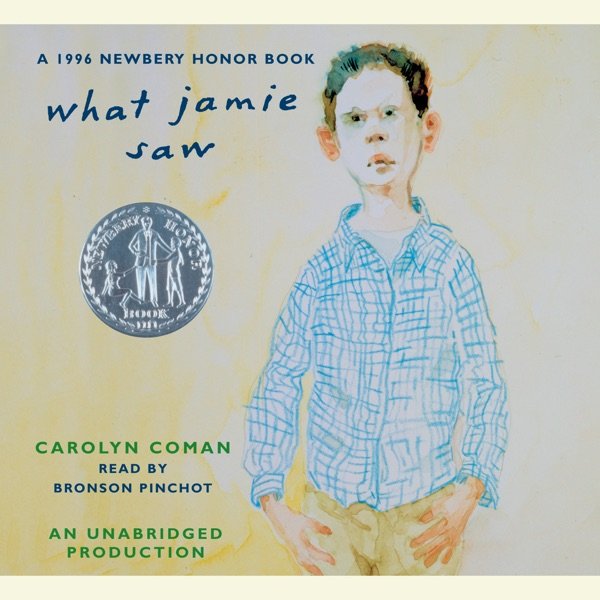
A devastating, unflinching account of child trauma and survival that trusts readers with real emotional complexity; the prose is spare and haunting, and the ending offers genuine hope without minimizing what was lost.
Why this fits: The book centers on Jamie's relationship with his mother's boyfriend Van and the violent incident that fractures their family; the narrative explores whether trust and safety can be rebuilt after profound betrayal, and how a child processes an adult's violence.
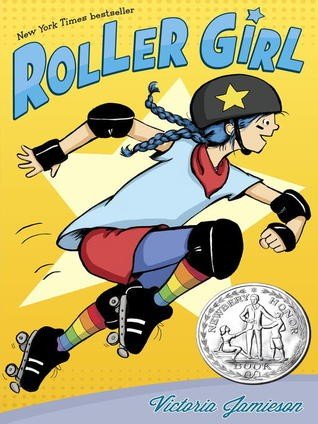
A graphic novel that earns its emotional weight—the illustration work (especially faces and body language) does half the storytelling about shame, jealousy, and what repair actually costs.
Why this fits: The book's climax hinges on Astrid owning her betrayal of Nicole and attempting genuine repair, showing that friendship fractures don't end friendships but require courage to fix.
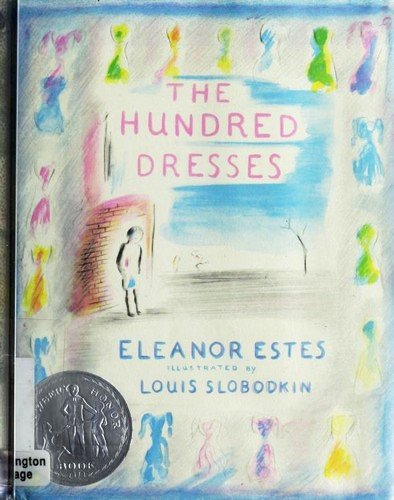
A devastating, unforgettable look at how kids enact cruelty without malice—the kind of book that changes how a child sees themselves and their friends.
Why this fits: The story's entire arc hinges on Maddie's reckoning with her complicity in Wanda's exclusion and her attempt—too late—to make amends. The book models how silence and small cruelties compound, and how genuine repair requires acknowledgment of harm.
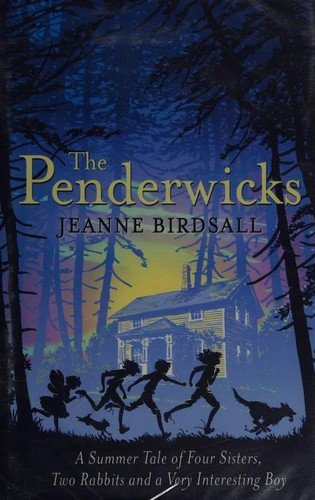
A quietly masterful ensemble book about sisterhood and belonging—funny without trying, tender without treacle, and the kind of story kids ask to reread.
Why this fits: Jane's garden-painting mistake and her subsequent repair of the situation with the estate owner demonstrates how thoughtful amends rebuild trust.
A foundational fantasy where the mythic stakes feel genuinely high for this age—Aslan's death and resurrection is not cozy, and Edmund's betrayal carries real moral weight that older kids argue about.
Why this fits: Edmund's betrayal and subsequent remorse, Aslan's sacrifice and resurrection, and the children's reconciliation with Edmund after his treachery directly teach forgiveness and repair as central values.
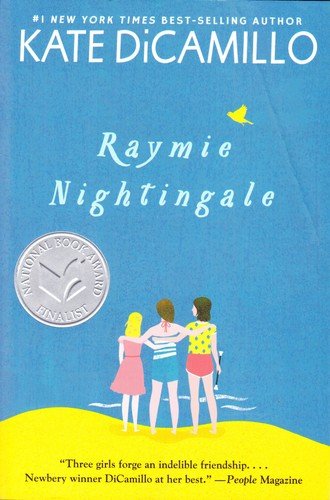
DiCamillo at her best — a small-stakes summer story that cracks open the emotional truth of what it means to need someone and be needed in return.
Why this fits: Raymie must repair a broken relationship with her best friend after a betrayal; the book explores how apology and forgiveness actually work, not as a neat resolution but as a process of understanding and reconnection.
A Newbery winner that actually deserves it—Paterson writes sibling resentment and reconciliation with such honesty that kids recognize their own families, and the 1941 Chesapeake setting carries real historical weight without preaching.
Why this fits: Sara must actively reconcile with Caroline after years of estrangement and resentment; the book models how repair requires seeing the other person's full humanity, not just one's own injury.
The rare fantasy finale that doesn't betray its series—Taran's choice to remain mortal and ordinary is genuinely moving, and the prose does work that feels grown-up without losing the adventure.
Why this fits: Taran spends the series—culminating here—learning to acknowledge his pride and recklessness, make amends to companions, and grow into true leadership through accountability.
Gaiman's masterwork for this age — genuinely spooky without being traumatizing, literary without being precious, and anchored by a protagonist who is both tender and brave.
Why this fits: The man Jack and the broader mystery involve cycles of harm and its aftermath; Nobody's encounters with living friends require understanding, forgiveness, and repair across the boundary between living and dead.
A devastating, urgent verse novel about a 15-year-old choosing whether to shoot someone for his brother's death — told entirely in an elevator ride. Structurally brilliant and emotionally unflinching; this is serious literature that respects teen readers' capacity to grapple with real moral weight.
Why this fits: Through conversations with ghost-passengers representing his family and community, Will grapples with breaking cycles of violence and whether reconciliation or accountability is possible.
A stunning, unflinching portrait of childhood moral failure and decades-long redemption; the voice is intimate and the ethical questions will stay with readers well past 14.
Why this fits: The entire second half of the novel centers on Amir's journey to atone for his childhood betrayal of Hassan and his decades-long silence. Redemption through confronting harm and attempting repair is the book's thematic spine.
Essential testimony, not assigned reading — the prose is honest and unflinching; a 14-year-old ready for adult truths will be changed by it, but this is a conversation-with-a-parent book, not a solo read.
Why this fits: The second half traces Beah's path through rehabilitation and his eventual confrontation with his own complicity as a soldier — including acts he committed under duress. His journey toward accountability and reintegration into society is central to the arc.
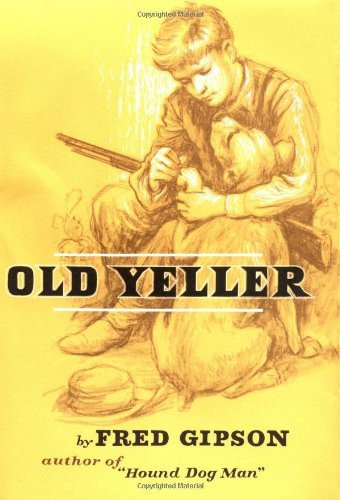
A genuinely earned heartbreak—the kind that teaches kids that love and loss are inseparable, and that growing up sometimes means choosing what's right over what's safe.
Why this fits: Travis begins resenting Old Yeller as a stray and reluctantly accepting him; his growing relationship with the dog teaches acknowledgment of misjudgment and repair through care and trust.
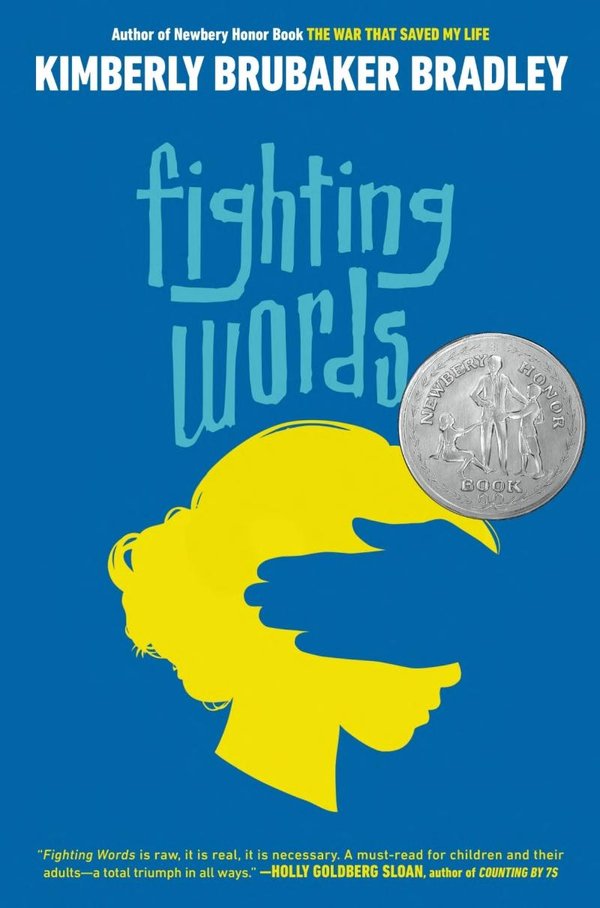
A gutsy, tender book about healing from abuse that trusts kids to understand complexity—Della's rage is real and sympathetic, not sanitized, and the resolution is honest about survival and slow trust.
Why this fits: Della's journey with language centers on learning how to apologize, ask for help, and repair relationships after lashing out—her mother's violence has taught her fighting as communication, and the novel is explicitly about unlearning that pattern.
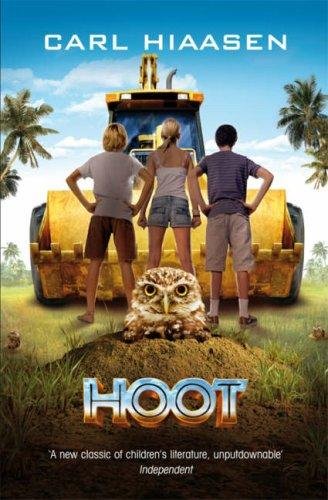
A genuinely funny, page-turning adventure that sneaks real environmentalism and civic courage into a story kids actually want to reread—the first book that makes activism feel like kid rebellion.
Why this fits: Roy learns to make amends with the strange barefoot boy (Mulch) after initially misjudging him, and the two become allies. Conflict repair happens but isn't the central focus.
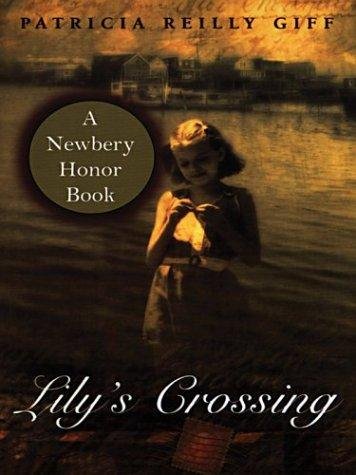
A quiet masterpiece about privilege colliding with wartime reality—Giff trusts the reader to sit with moral ambiguity and the cost of a single lie.
Why this fits: Lily must confront her lie and attempt to repair the trust she broke, though the ending leaves the outcome ambiguous and hard-won rather than neat.
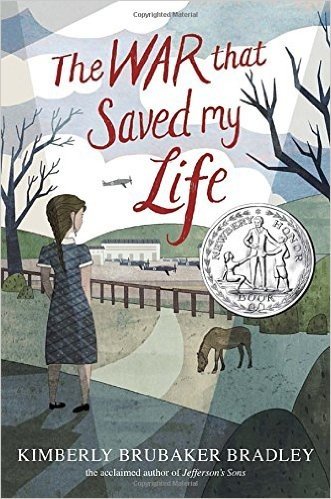
A gut-wrenching, unsentimental look at child abuse and evacuation that trusts kids to handle real trauma; Ada's voice is unforgettable, and her healing is hard-won, not magical.
Why this fits: The evacuation family's realization of Ada's situation and their explicit reckoning with how they've treated her—coupled with her own journey toward trusting and accepting help—centers repair and earned relationship-healing.
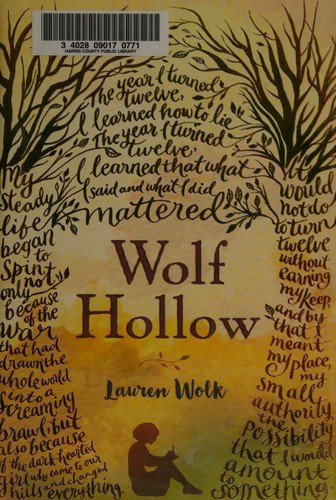
A quiet masterpiece about standing alone against cruelty — Wolk's prose is elegant without being precious, and Annabelle's moral growth feels earned, not preached.
Why this fits: Annabelle's reckoning with her own complicity in bullying and her journey toward making amends with Ty drives the second half; the novel shows repair as difficult, personal work rather than surface reconciliation.
A devastating, perfectly-paced introduction to real consequence and grief; unflinching about a kid's failure and the weight of living with it.
Why this fits: Joel must confess his lie and the truth about Tony's death to his parents and himself, learning that repair requires accountability even when it causes pain. The climactic conversation with his father models how to own a mistake.
A unflinching, lyrical novel about a teenager forced to reckon with her choices and her mother's love; rare in that it treats both the mother and daughter with full humanity and doesn't resolve everything neatly.
Why this fits: The entire arc involves Gayle and her mother working through resentment, misunderstanding, and hurt to rebuild trust and mutual respect; the book is fundamentally about reconciliation between parent and child after a crisis.
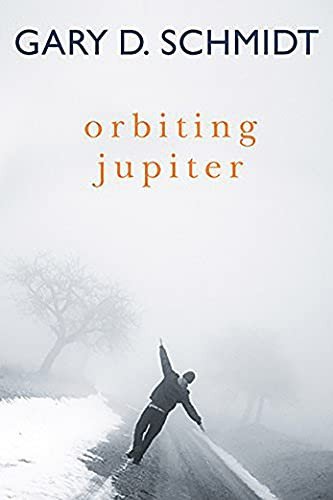
Schmidt's quietest, deepest work—a book about the arithmetic of belonging that rewards rereading and breaks open in conversation with kids who've felt like outsiders.
Why this fits: The core arc involves Jack and his older brother Brock reconciling after a fundamental breach of trust. The repair is awkward, incomplete, and requires both boys to sit with discomfort—a realistic portrait of how relationships actually mend.
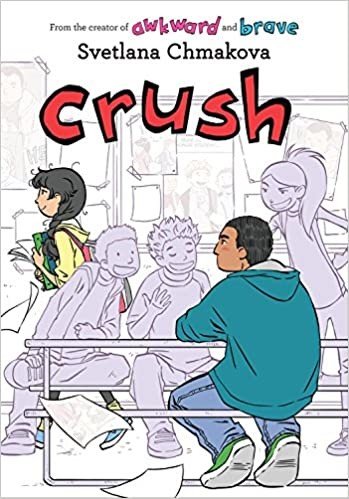
The most emotionally honest middle-school-friendship graphic novel in print — Jen's cruelty and self-awareness coexist without easy redemption, and the art does the work of showing what shame actually looks like.
Why this fits: The core arc is Jen's realization that she's excluded and hurt Jorge through meanness-as-status-seeking, and her genuine work to repair the friendship without performative redemption; she sits with discomfort rather than seeking absolution.
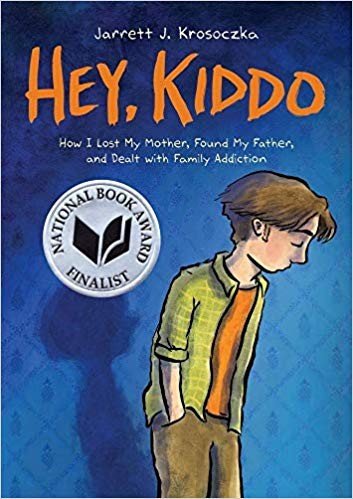
A unflinching, tender graphic memoir that shows how art and mentorship save a life—the best introduction to foster care realities and the possibility of healing for kids ready to see families broken and rebuilt.
Why this fits: The book's resolution centers on reconciliation with his mother and the difficult work of repairing a fractured family relationship; Jarrett models how forgiveness and honest conversation heal old wounds.
A genuinely good novel about how silence multiplies harm and speaking up reclaims agency — realistic without being preachy, and the romance subplot actually serves the central theme rather than distracting from it.
Why this fits: Multiple characters, including Annabel, must acknowledge harm caused and work toward repair; the friendship rupture requires genuine apology and rebuilding, not surface-level reconciliation.
A haunting, lyrical Holocaust survival novel that treats Zofia as a full person—not a victim defined by trauma—and asks hard questions about what it means to rebuild after catastrophe; unflinching but deeply humane.
Why this fits: Zofia grapples with moral ambiguity—what choices she made to survive, and whether those choices require reckoning. The book explores how survivors and those around them reckon with complicity and forgiveness.
Quietly devastating and funny — a boy learning to survive school, his father's disappointment, and bullying through art and stubborn kindness; every reread lands harder.
Why this fits: Doug's relationship with his father is the emotional spine; the book explores how to begin repairing a relationship broken by shame, disappointment, and class anxiety. Doug's own missteps with friends are resolved through genuine apology and changed behavior.