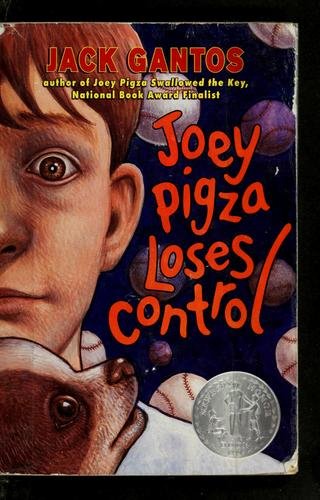
Joey Pigza Loses Control
by Jack Gantos
Middle grade · ages 8–12 · grades 3–7 · 650L · 2002
The best middle-grade book about ADHD from the inside—funny, unflinching about medication and shame, and honest that there's no cure, only managed momentum.
For a reader who just finished
after Who Was Salvador Dalí? by Paula K. Manzanero · ages 7–10
Middle grade · grades 2–5 · 650L
A solid, accessible entry point for kids curious about Surrealism; the text is clear and the illustrations help visualize the weirdness of Dalí's work without being overwhelming.
Same style
by Jack Gantos
Middle grade · ages 8–12 · grades 3–7 · 650L · 2002
The best middle-grade book about ADHD from the inside—funny, unflinching about medication and shame, and honest that there's no cure, only managed momentum.
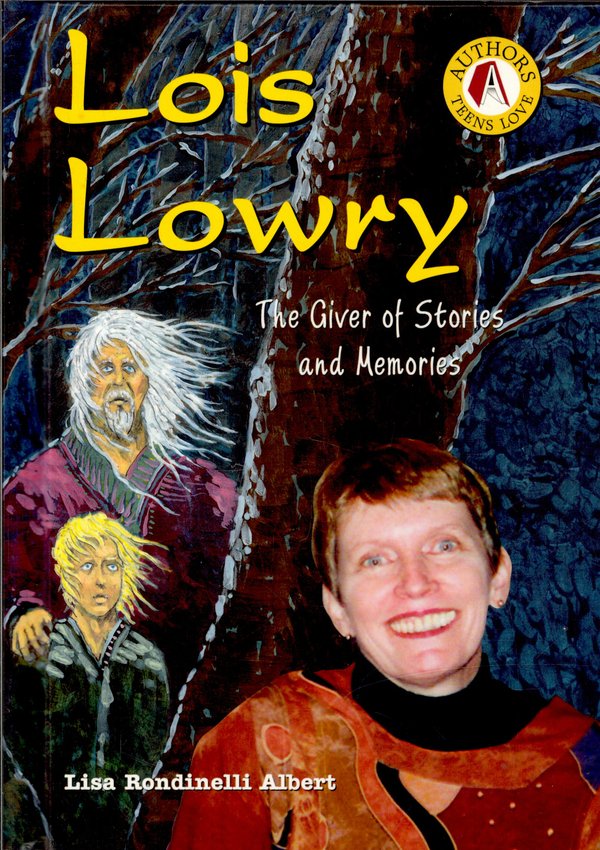
Nonfiction · ages 8–12 · grades 3–7 · 780L · 2007
A solid, age-appropriate introduction to how a real author thinks and works—especially good for kids already reading Lowry or interested in where stories come from.
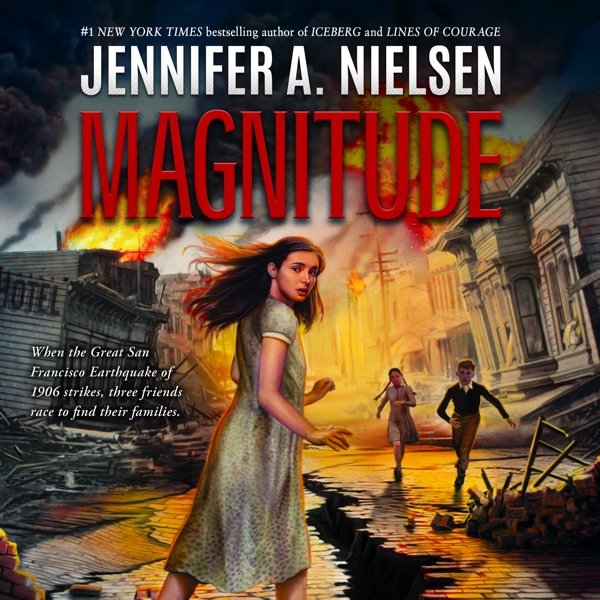
Middle grade · ages 8–12 · grades 3–7 · 720L · 2026
A quiet, methodical introduction to real seismology through a kid's DIY experiment—less explosively fun than typical STEM fiction, but honest about how science actually works.
Stretch them up
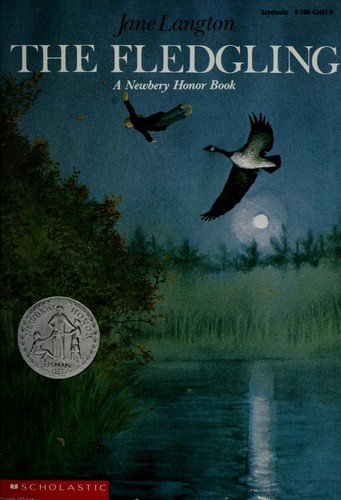
by Jane Langton
Middle grade · ages 8–12 · grades 3–7 · 780L · 1990
A lyrical, Newbery-winning fantasy that trusts kids to sit with ambiguity and philosophy—Langton's prose is gorgeous, but the pacing meanders and modern kids may find the mythology slower to grip than contemporary series.
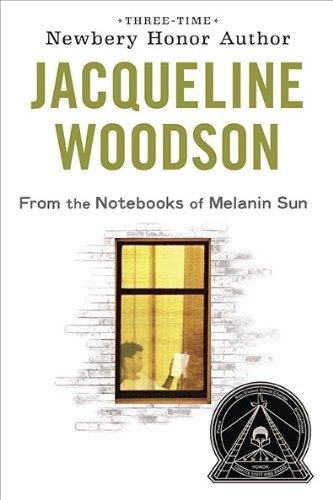
Middle grade · ages 8–12 · grades 3–7 · 710L · 2010
A quiet, deeply intelligent book about a 13-year-old boy processing his mother's relationship with a woman—Woodson's prose is spare and poetic, and Melanin's voice is utterly genuine; parents report kids want to talk about it afterward.
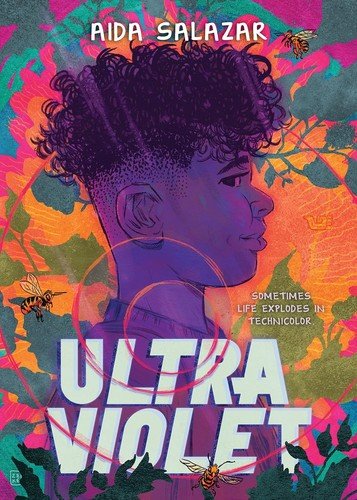
by Aida Salazar
Middle grade · ages 8–12 · grades 3–7 · 720L · 2024
A quiet, introspective book about belonging that treats immigration and mixed identity with nuance and tenderness—not didactic, and the ultraviolet metaphor for invisible visibility actually lands.
Complementing on a good life
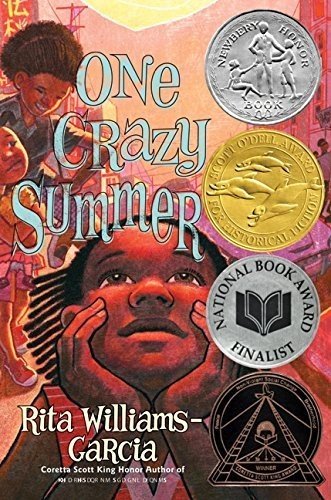
Middle grade · ages 8–12 · grades 3–7 · 750L · 2019
A richly layered book about sisterhood, identity, and reckoning with parental complexity that treats kids' emotional intelligence seriously—the ending doesn't tidy up, which is exactly why it stays with them.
Nonfiction · ages 8–12 · grades 3–7 · 820L · 1995
A Newbery Medal winner that reads like a novel but grounds kids in how writers actually live and work—Alcott's poverty and grit are unsentimental, her ambition is real, and 19th-century Concord becomes vividly present.
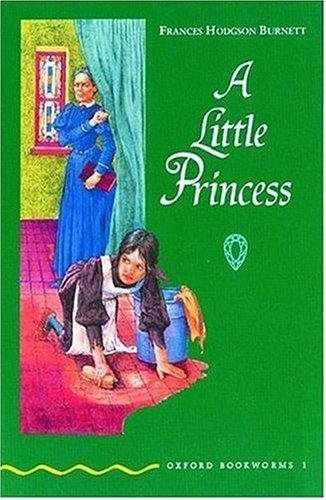
Middle grade · ages 8–12 · grades 3–7 · 820L · 2022
A Victorian novel that has aged better than expected—Sara's quiet defiance and imaginative resilience feel genuinely modern, and the prose rewards close reading.
We'd skip — for now
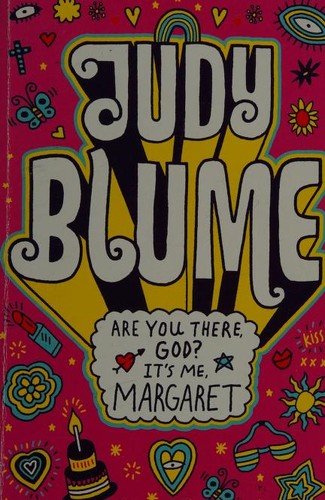
by Judy Blume
A step up — ages 10–14 · grades 5–9
Skip it if your family is deeply uncomfortable discussing menstruation, bras, or religious difference explicitly; the book names these things directly and assumes they're normal (which is its whole point).