For a reader who just finished
Books like Joey Pigza Loses Control
after Joey Pigza Loses Control by Jack Gantos · ages 8–12
Same style

by Jean Fritz
Middle grade · ages 8–12 · grades 3–7 · 760L
A genuinely moving memoir that treats a child's emotional complexity with respect—Jean Fritz models self-awareness and honest confusion in a way that validates kids caught between cultures or identities.
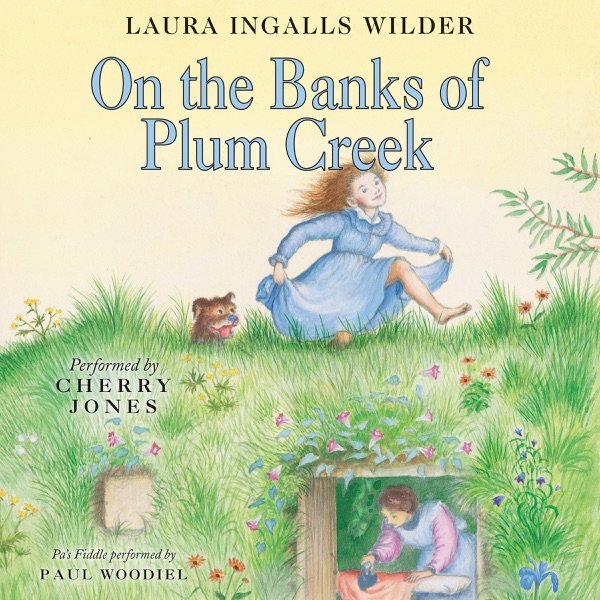
by Laura Ingalls Wilder
Middle grade · ages 8–12 · grades 3–7 · 730L
The richest prairie novel for this age — Wilder's precise, unsentimental observation of frontier life and ecology rewards careful readers and stays vivid across rereads.
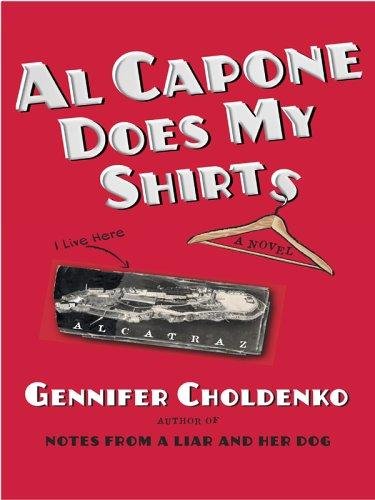
by Gennifer Choldenko
Middle grade · ages 9–12 · grades 4–7 · 760L
A genuinely smart family story that treats autism without sentimentality and lets the historical setting (Alcatraz as a real place, not a gimmick) deepen rather than distract from the core sibling tension.
Stretch them up
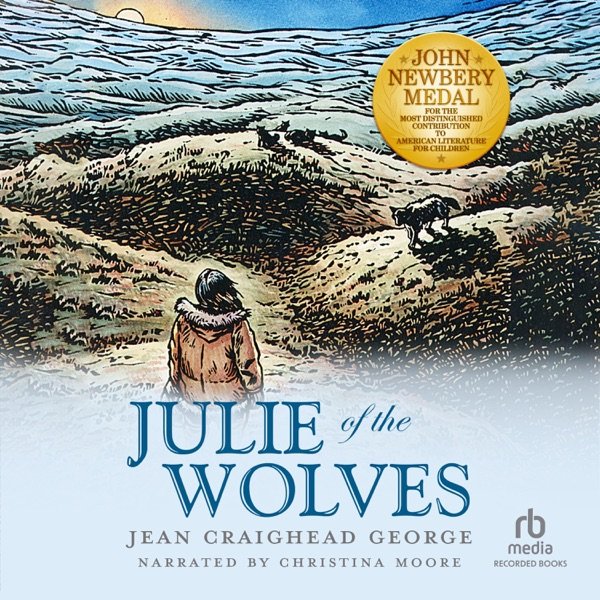
by Jean Craighead George
Middle grade · ages 10–14 · grades 5–9 · 760L
A Newbery-winning masterpiece that hasn't aged a day—Julie's survival story is genuinely gripping, and the quiet exploration of cultural identity and belonging lands without preaching.
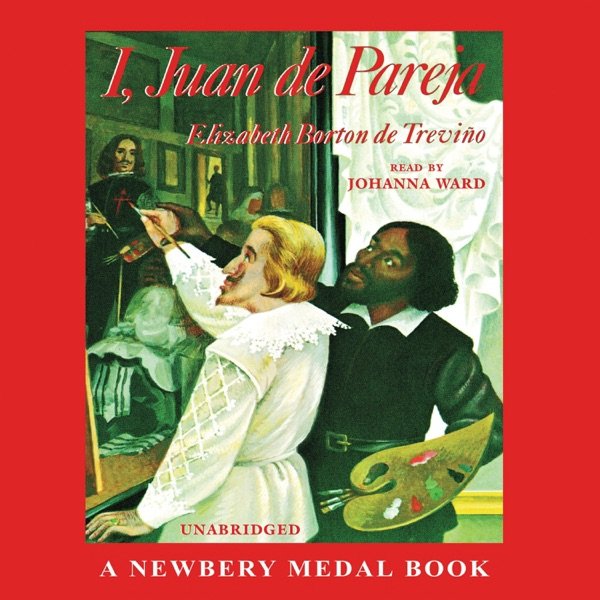
by Elizabeth Borton de Treviño
Middle grade · ages 10–14 · grades 5–9 · 820L
A Newbery winner that doesn't condescend—serious, historically grounded, and genuinely about how one person's refusal to accept powerlessness can remake a life; the prose is elegant and the emotional core is real.
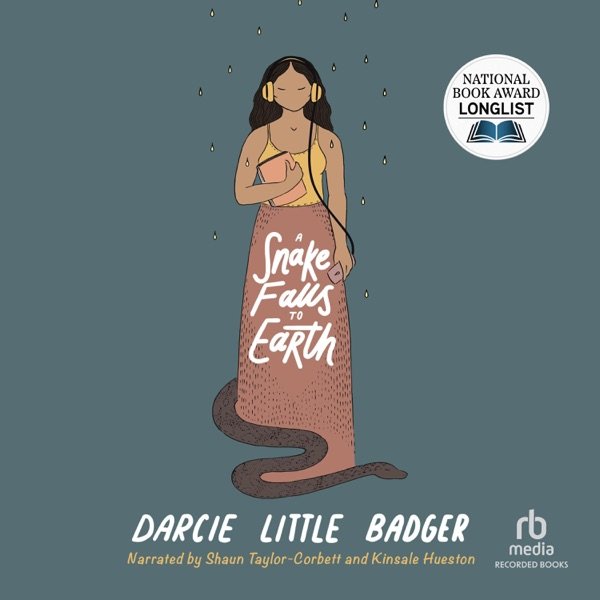
by Darcie Little Badger
Middle grade · ages 10–14 · grades 5–9 · 720L
A genuinely original middle-grade fantasy that centers Indigenous worldview and disability without sentimentality—the magic feels earned, the protagonist is unflinching, and the prose is gorgeous without being flowery.
Complementing on self regulation
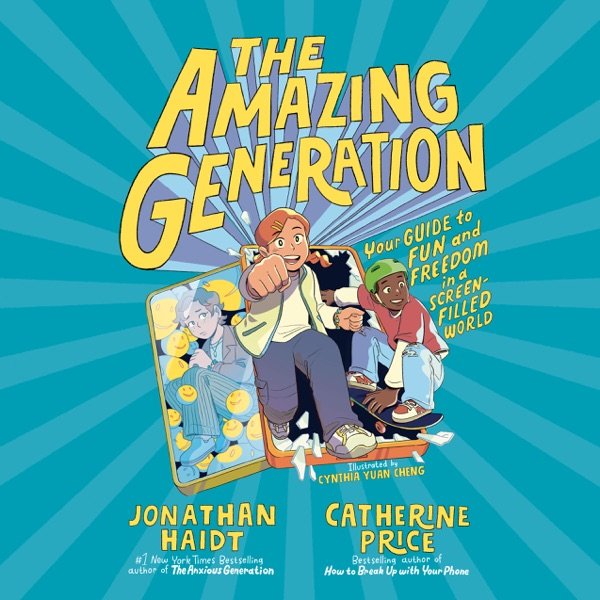
by Jonathan Haidt and Catherine Price
Nonfiction · ages 10–14 · grades 5–9 · 1050L
A grounded, research-backed conversation starter about why Gen Z is struggling — not alarmist, but honest about phone design and social-media algorithms in ways kids need to hear.
We'd skip — for now
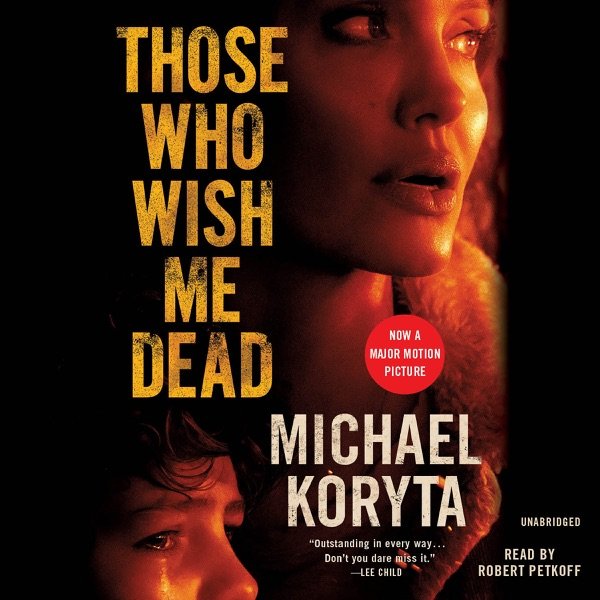
by Michael Koryta
A step up — ages 14–18 · grades 9–12
Skip it if your child is squeamish about injury or sustained threat; there are on-page deaths and real physical peril throughout.
