For a reader who just finished
Books like MAGNITUDE
after MAGNITUDE by Jennifer A. Nielsen · ages 8–12
Same style
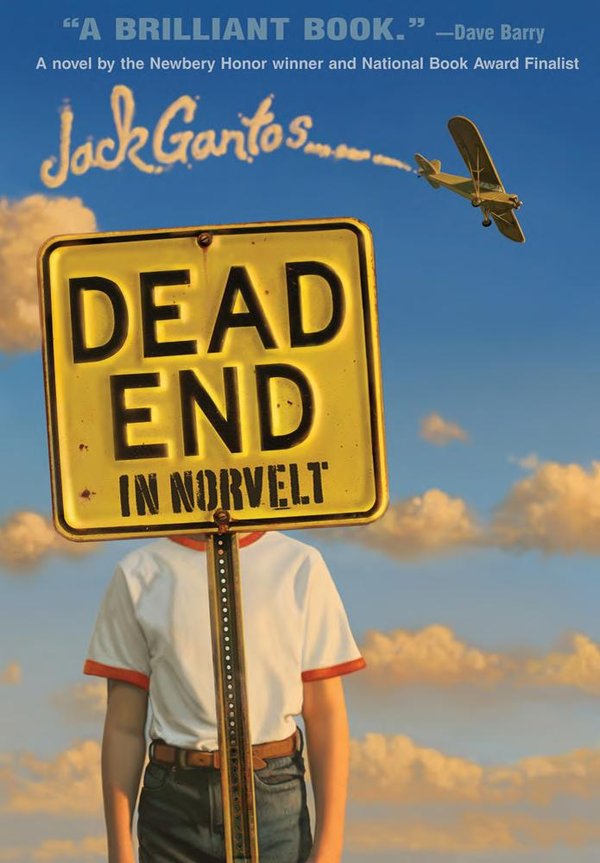
by Jack Gantos
Middle grade · ages 10–14 · grades 5–9 · 780L
A Newbery winner that feels lived-in: Gantos builds a real Pennsylvania town, real household conflict, and real historical weight without sentimentality—kids recognize the specificity and ask questions about their own neighborhoods.
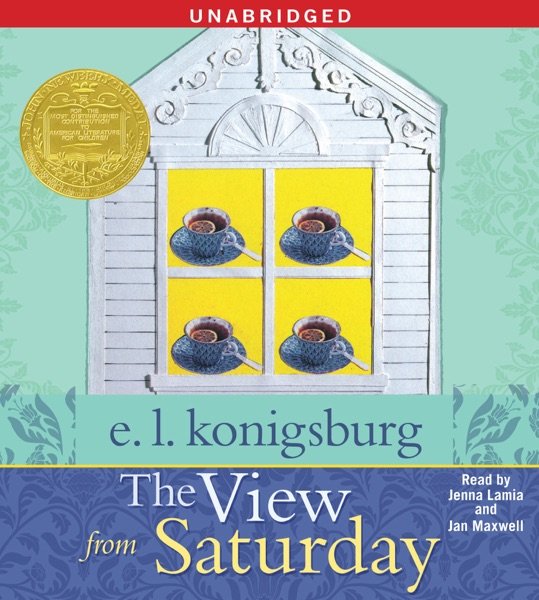
by E. L. Konigsburg
Middle grade · ages 9–12 · grades 4–7 · 760L
A Newbery winner that actually earns it—the fractured, interlocking narratives teach perspective-taking while celebrating intellectual friendship across difference; rereads even better once you catch all the structural puzzles.
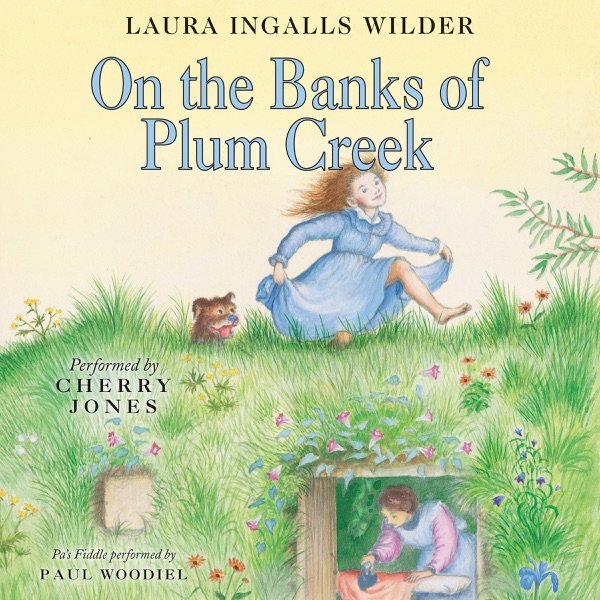
by Laura Ingalls Wilder
Middle grade · ages 8–12 · grades 3–7 · 730L
The richest prairie novel for this age — Wilder's precise, unsentimental observation of frontier life and ecology rewards careful readers and stays vivid across rereads.
Stretch them up
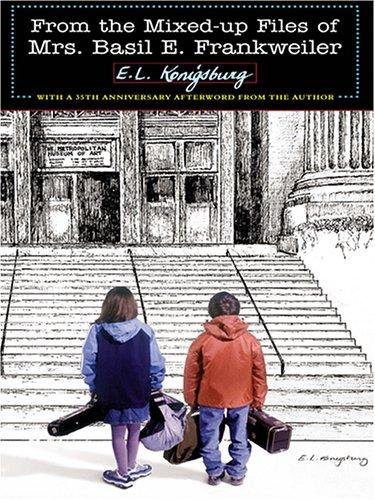
by E. L. Konigsburg
Middle grade · ages 8–12 · grades 3–7 · 790L
A book that trusts kids to be intellectually bored and emotionally complex—Claudia's runaway isn't melodrama, it's a quiet reckoning with identity that lands harder on rereads.
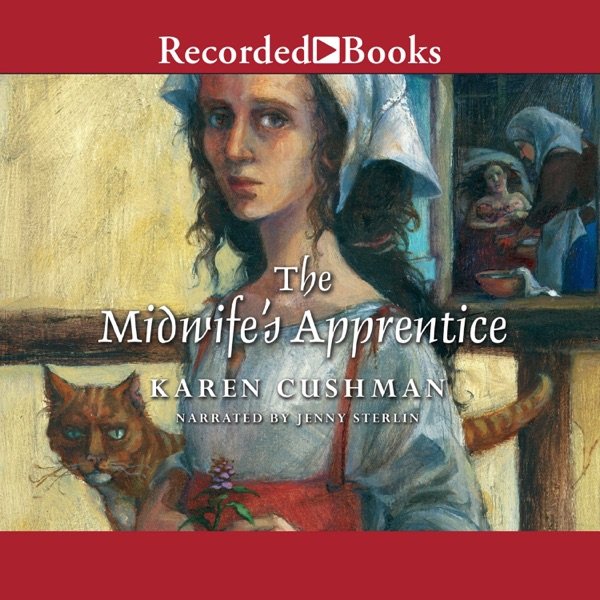
by Karen Cushman
Middle grade · ages 10–14 · grades 5–9 · 780L
A Newbery winner that earns it: a girl with no name becomes herself through honest work and adult recognition; the medieval setting and childbirth apprenticeship feel urgent and real, not decorative.
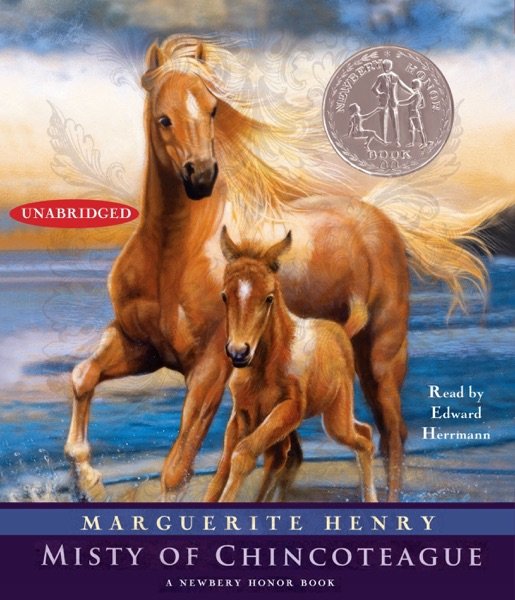
by Marguerite Henry
Middle grade · ages 8–12 · grades 3–7 · 780L
The definitive horse book for this age—historically grounded, emotionally earned, and genuinely about the unglamorous work of animal stewardship, not just romance.
Complementing on scientific method
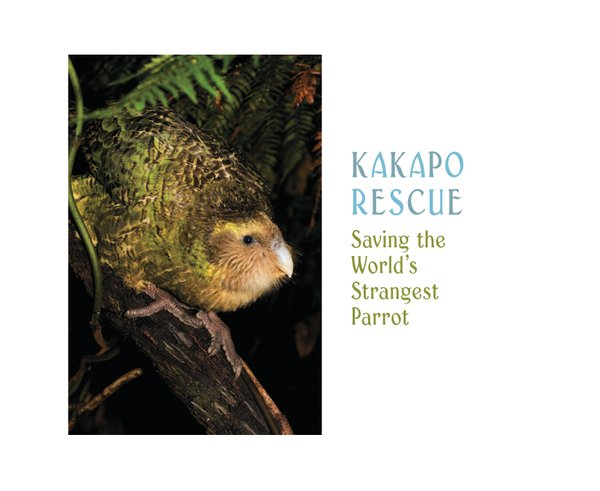
by Sy Montgomery
Nonfiction · ages 8–12 · grades 3–7 · 720L
Montgomery's infectious curiosity and on-the-ground reporting make conservation science visceral and urgent—kids finish this wanting to know how to help, not just what the problem is.
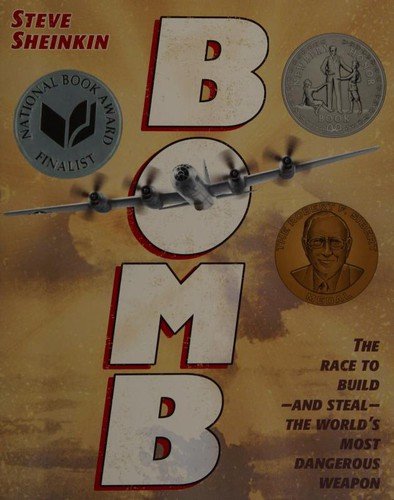
by Steve Sheinkin
Nonfiction · ages 10–14 · grades 5–9 · 820L
A genuine page-turner that makes nuclear physics and WWII espionage accessible to smart 11-year-olds without dumbing down the science or the moral complexity.
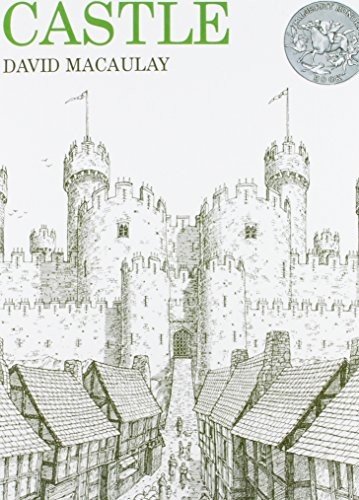
by David Macaulay
Nonfiction · ages 8–12 · grades 3–7 · 720L
Macaulay's masterpiece — architectural history made visceral through illustration and narrative; kids who engage deeply will ask real questions about how things are built.
We'd skip — for now
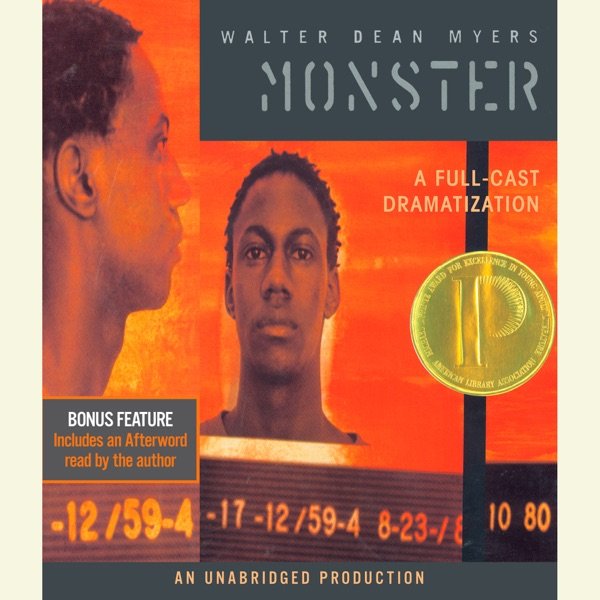
by Walter Dean Myers
A step up — ages 12–18 · grades 7–12
Skip it if your teen is not ready to sit with moral ambiguity about guilt, or if depictions of jail and systemic racism will be overwhelming without a trusted adult to debrief with.
