ChapterScoutchapter·scoutFind the next great read for young readers.

For a reader who just finished

Books like Who Is Alexandria Ocasio-Cortez?

after Who Is Alexandria Ocasio-Cortez? by Kirsten Anderson · ages 8–12

Middle grade · grades 3–7 · 720L

A solid, accessible entry point for kids interested in modern politics and representation, though the 'Who Was' format can feel a bit dry compared to narrative nonfiction.

Full details →

Same style

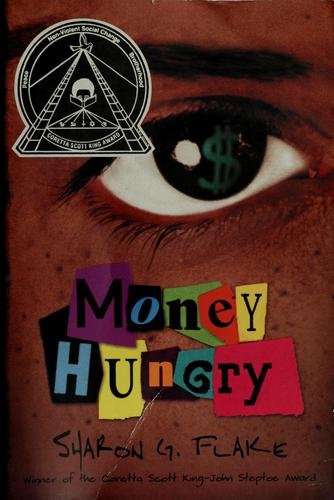
Cover of Money-Hungry

Money-Hungry

by Sharon G. Flake

Middle grade · ages 8–12 · grades 3–7 · 750L · 2003

A sharp, unflinching look at a kid building a school-supply monopoly and discovering that hustle culture and friendship don't automatically go together—Flake writes dialect-forward and doesn't soften the girl's ambition or the mess she makes.

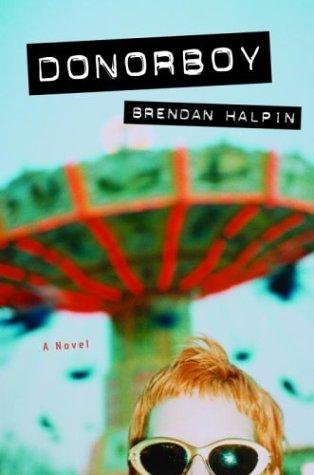
Cover of Donorboy

Donorboy

by Brendan Halpin

Middle grade · ages 10–14 · grades 5–9 · 750L · 2004

A genuinely thoughtful middle-grade novel that takes a kid's moral choice seriously without sentimentality — Halpin trusts readers to sit with ambivalence and social discomfort.

Stretch them up

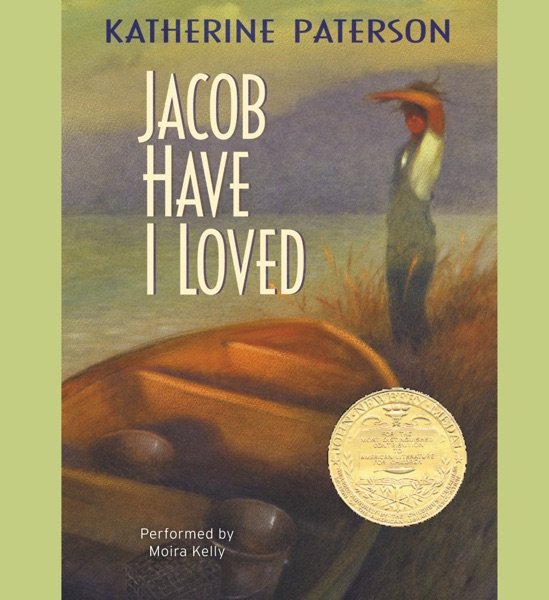
Cover of Jacob Have I Loved

Jacob Have I Loved

by Katherine Paterson

Middle grade · ages 10–14 · grades 5–9 · 820L · 2009

A Newbery winner that actually deserves it—Paterson writes sibling resentment and reconciliation with such honesty that kids recognize their own families, and the 1941 Chesapeake setting carries real historical weight without preaching.

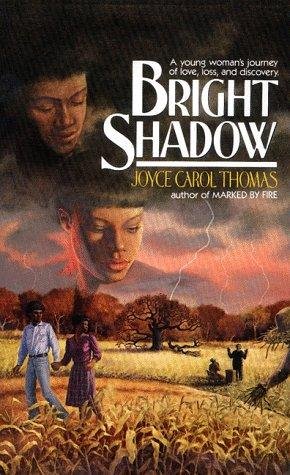
Cover of Bright Shadow

Bright Shadow

by Joyce Carol Thomas

Middle grade · ages 8–12 · grades 3–7 · 780L · 1983

A luminous, unflinching story about difference and belonging—Thomas's lyrical prose and Auri's quiet dignity make this a memorable introduction to how communities can choose love, and how a girl learns her own worth.

Complementing on biography civics

We'd skip — for now

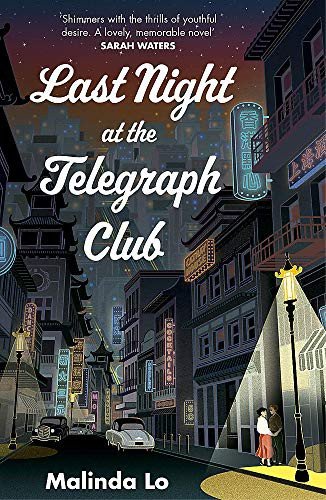
Cover of Last Night at the Telegraph Club

Last Night at the Telegraph Club

by Malinda Lo

A step up — ages 12–16 · grades 7–11

Skip it if your child is not ready to process same-sex attraction and coming-out narratives, or if 1950s-era homophobia and surveillance (police raids, family rejection) will be destabilizing rather than enlightening.