
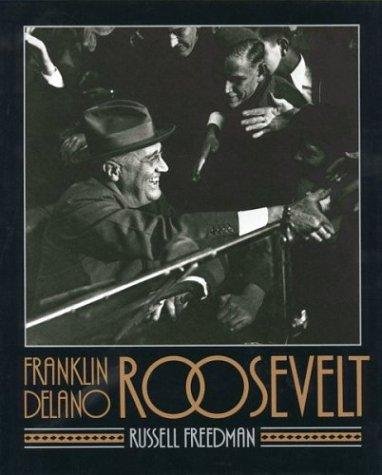
Franklin Delano Roosevelt
by Russell Freedman
Nonfiction · ages 9–12 · grades 4–7 · 820L
Freedman's accessible, photo-rich biography makes FDR's disability and determination feel immediate without sentimentality; kids grasp both the man and the era.
For a reader who just finished
after Bayard Rustin: Behind the Scenes of the Civil Rights Movement by James Haskins · ages 8–12
Same style
by Russell Freedman
Nonfiction · ages 9–12 · grades 4–7 · 820L
Freedman's accessible, photo-rich biography makes FDR's disability and determination feel immediate without sentimentality; kids grasp both the man and the era.

by Rhoda Blumberg
Nonfiction · ages 8–12 · grades 3–7 · 790L
The only children's biography that treats York as a thinking subject rather than a sidecar to Lewis and Clark; Blumberg's honesty about historical gaps models what real scholarship looks like.
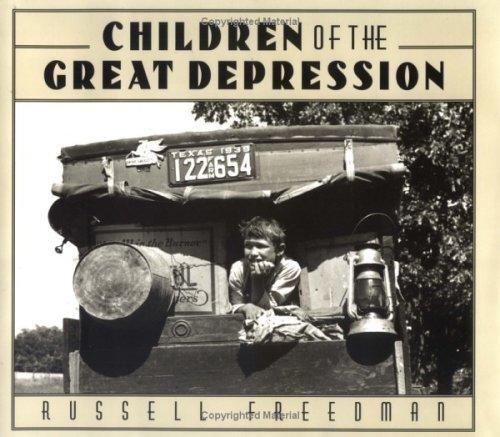
by Russell Freedman
Nonfiction · ages 10–14 · grades 5–9 · 800L
Freedman's photographs and firsthand accounts make economic hardship visceral without trauma—kids understand scarcity and resilience through real children's voices, not sentiment.
Complementing on biography civics
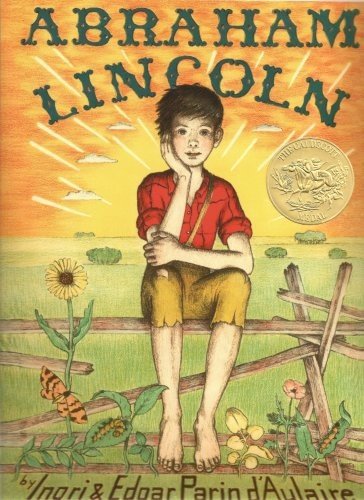
by Ingri and Edgar Parin d'Aulaire
Picture book · ages 6–10 · grades 1–5 · 800L
The d'Aulaires' Lincoln is a masterpiece—sumptuous illustrations and narrative prose that makes a difficult life feel epic and human; kids absorb both the story and a sense of why Lincoln matters.
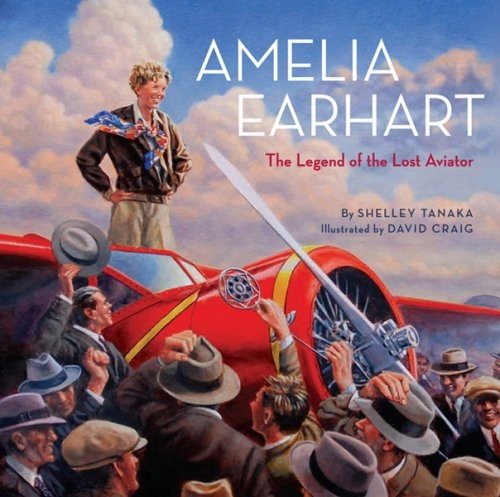
by Shelley Tanaka
Nonfiction · ages 8–12 · grades 3–7 · 820L
A beautifully illustrated biography that makes Earhart's daring and determination feel personally present—not a distant icon, but a woman who chose her own path and paid a price for it.

by Jeanette Eaton
Nonfiction · ages 8–12 · grades 3–7 · 720L
A 1938 Newbery Honor book that reads as earnest and slightly dated, but offers vivid scenes of Washington's actual decisions and doubts—not hagiography, and genuinely narrative enough for strong 8-year-old readers to sustain attention.
We'd skip — for now
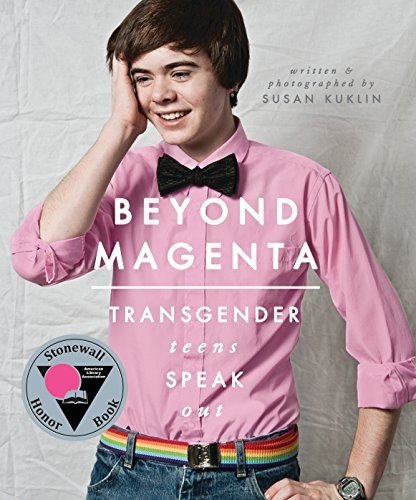
by Susan Kuklin
A step up — ages 14–18 · grades 9–12
Skip it if your family is not ready to discuss gender identity, sexuality, and the lived experience of discrimination; this book does not shy from those conversations.