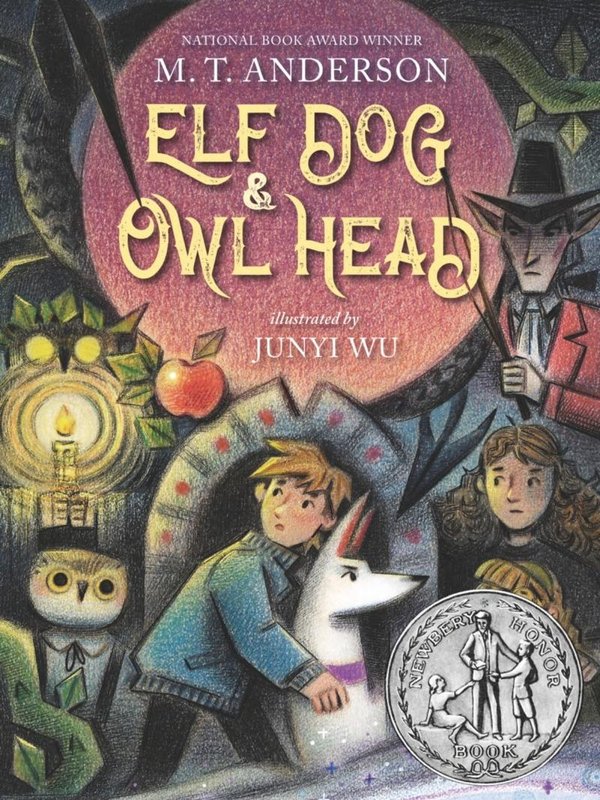
Elf Dog and Owl Head
Middle grade · ages 8–12 · grades 3–7 · 720L · 2023
Anderson's trademark wordplay and absurdist humor makes this a delightful middle-grade romp that doesn't talk down to readers—kids and parents both find something to laugh at.
For a reader who just finished
after There's No Cream in Cream Soda by Kim Zachman · ages 8–12
Middle grade · grades 3–7 · 750L
A lighthearted, pun-heavy romp that celebrates the joy of wordplay without any real stakes or conflict.
Same style
Middle grade · ages 8–12 · grades 3–7 · 720L · 2023
Anderson's trademark wordplay and absurdist humor makes this a delightful middle-grade romp that doesn't talk down to readers—kids and parents both find something to laugh at.
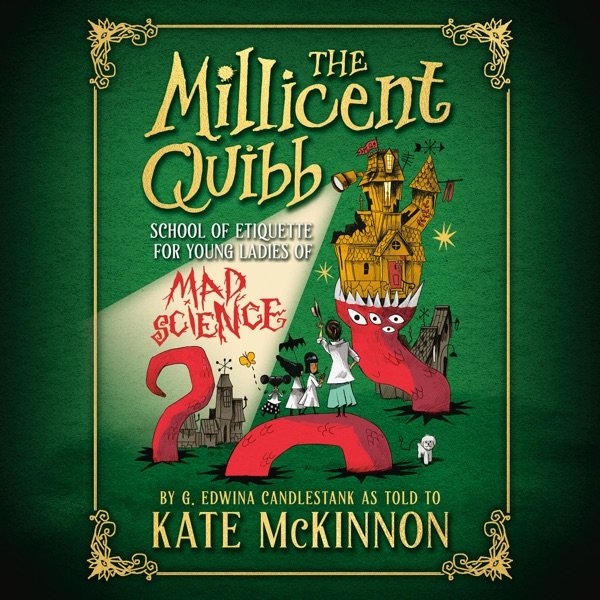
Middle grade · ages 8–12 · grades 3–7 · 750L · 2024
Kate McKinnon's voice is hilarious and irreverent, and the setup—etiquette school meets mad-science academy—lands the absurdist premise without feeling forced; smart kids who like weird humor will reread it.
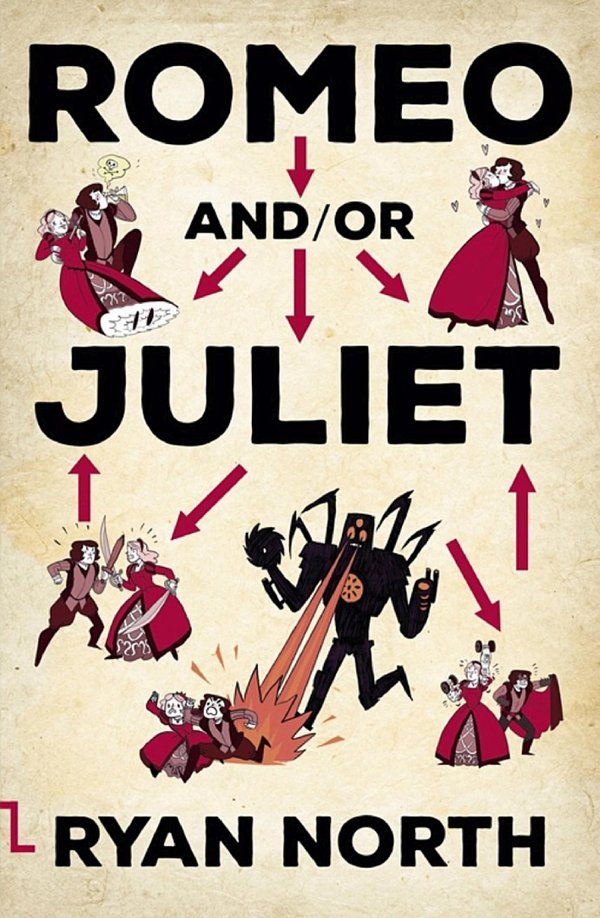
by Ryan North
Middle grade · ages 8–12 · grades 3–7 · 720L · 2016
A brilliant deconstruction of R&J that uses the choosable-path format to teach that stories aren't inevitable—you rebuild the play as comedy, tragedy, absurdist adventure, or romance, depending on your choices.
Stretch them up
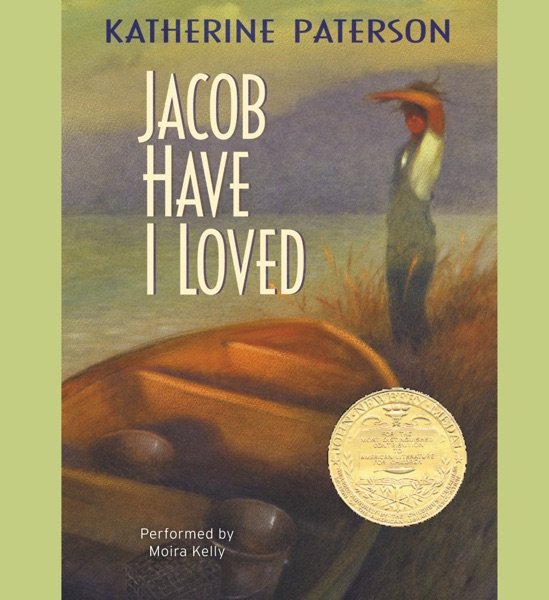
Middle grade · ages 10–14 · grades 5–9 · 820L · 2009
A Newbery winner that actually deserves it—Paterson writes sibling resentment and reconciliation with such honesty that kids recognize their own families, and the 1941 Chesapeake setting carries real historical weight without preaching.
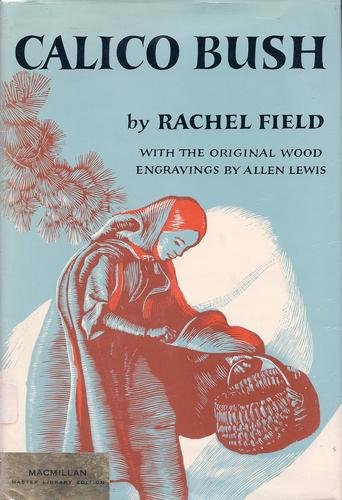
by Rachel Field
Middle grade · ages 10–14 · grades 5–9 · 820L · 1970
A Newbery winner that deserves recovery—rich, unsentimental historical fiction about a girl learning to belong after loss, with prose that holds up and a frontier that feels real, not romanticized.
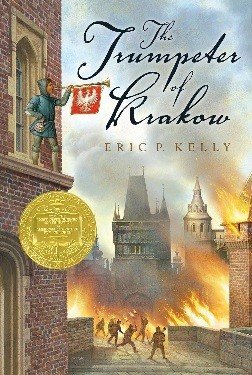
Middle grade · ages 8–12 · grades 3–7 · 800L · 1992
A Newbery winner that feels genuinely historical without being a slog — the mystery of the trumpet and the boy's quiet bravery make it memorable for kids who can handle older prose.
Complementing on naming feelings
Verse novel · ages 6–10 · grades 1–5 · 520L · 1998
A masterwork of bilingual wordplay that reads aloud with infectious energy—kids feel seen in the code-switching, and the poems actively teach that two languages in one mind is a superpower, not a problem.
Middle grade · ages 8–12 · grades 3–7 · 740L · 1999
A watershed book for most kids who read it—not because it's cheerful, but because it takes grief seriously and shows that imagination can be both escape and source of real connection.
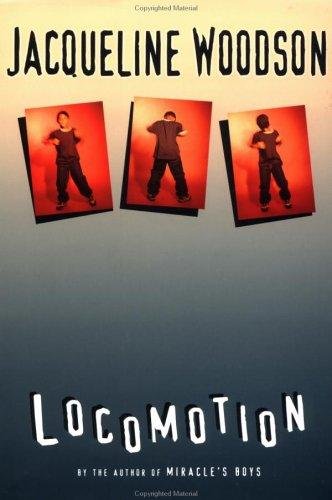
Verse novel · ages 9–12 · grades 4–7 · 680L · 2003
A masterwork of grief told in verse — Woodson's spare, exact language lets kids name loss they may not have words for, and the ending models hope without erasure.
We'd skip — for now
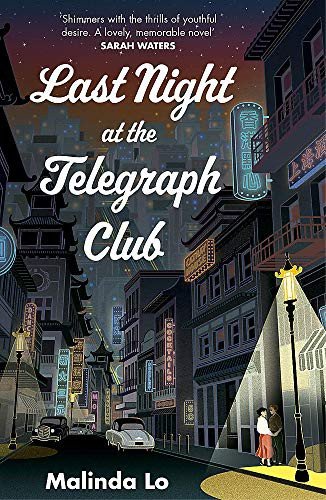
by Malinda Lo
A step up — ages 12–16 · grades 7–11
Skip it if your child is not ready to process same-sex attraction and coming-out narratives, or if 1950s-era homophobia and surveillance (police raids, family rejection) will be destabilizing rather than enlightening.