For a reader who just finished
Books like Romeo and/or Juliet: A Choosable-Path Adventure
after Romeo and/or Juliet: A Choosable-Path Adventure by Ryan North · ages 8–12
Same style
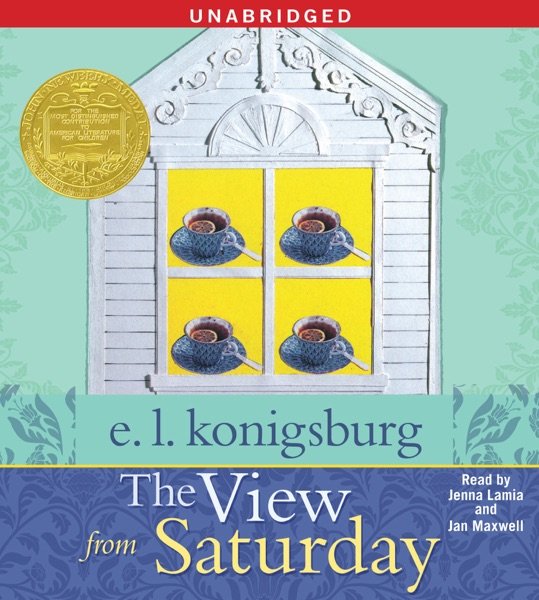
by E. L. Konigsburg
Middle grade · ages 9–12 · grades 4–7 · 760L
A Newbery winner that actually earns it—the fractured, interlocking narratives teach perspective-taking while celebrating intellectual friendship across difference; rereads even better once you catch all the structural puzzles.
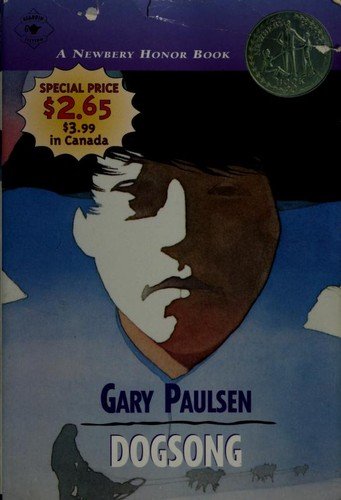
by Gary Paulsen
Middle grade · ages 10–14 · grades 5–9 · 720L
Spare, luminous meditation on a boy learning to listen to dogs and himself; Paulsen's restraint lets kids find their own meaning in silence and snow.
by Norton Juster
Middle grade · ages 8–12 · grades 3–7 · 740L
A masterpiece of language and wit that rewards rereading; kids discover new wordplay jokes and philosophical layers each time, and it convinces bored kids that ideas are genuinely fun.
Stretch them up
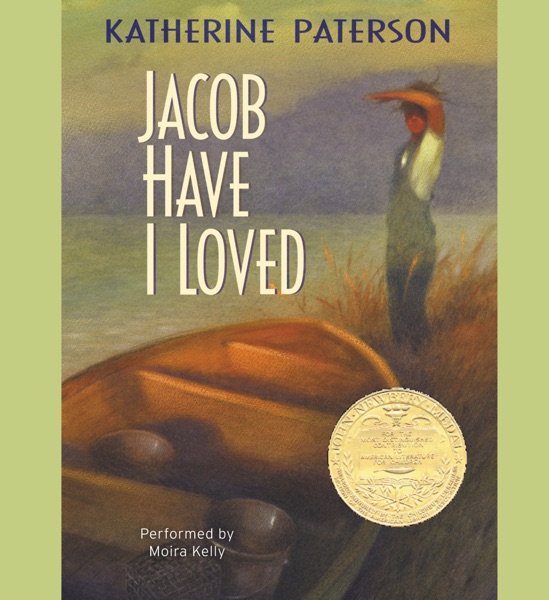
by Katherine Paterson
Middle grade · ages 10–14 · grades 5–9 · 820L
A Newbery winner that actually deserves it—Paterson writes sibling resentment and reconciliation with such honesty that kids recognize their own families, and the 1941 Chesapeake setting carries real historical weight without preaching.
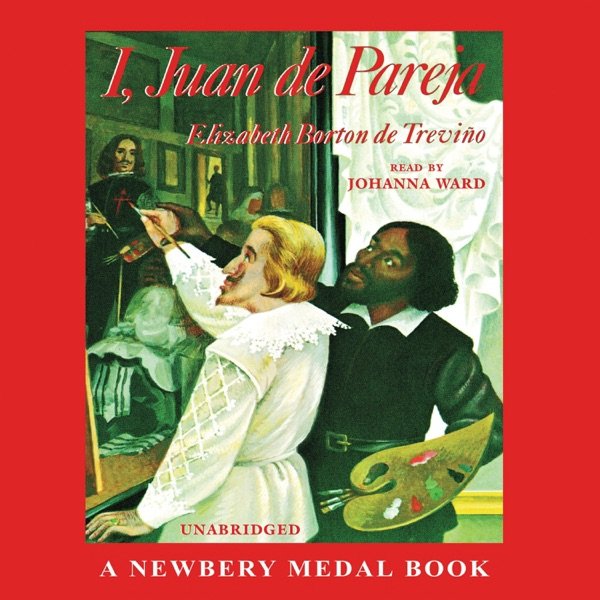
by Elizabeth Borton de Treviño
Middle grade · ages 10–14 · grades 5–9 · 820L
A Newbery winner that doesn't condescend—serious, historically grounded, and genuinely about how one person's refusal to accept powerlessness can remake a life; the prose is elegant and the emotional core is real.
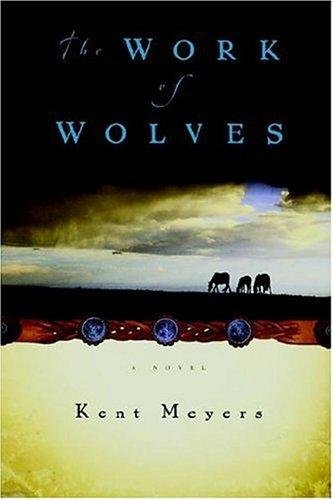
by Kent Meyers
Middle grade · ages 10–14 · grades 5–9 · 780L
Quiet, grounded coming-of-age where a Nebraska kid learns to trust observation over inherited fear—Meyers' prose is deliberate and the wolf ecology is genuinely taught, not romanticized.
Complementing on a good life
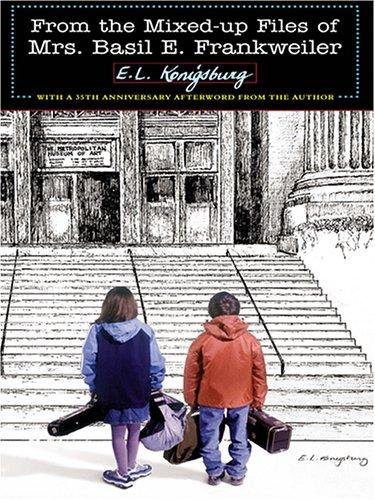
by E. L. Konigsburg
Middle grade · ages 8–12 · grades 3–7 · 790L
A book that trusts kids to be intellectually bored and emotionally complex—Claudia's runaway isn't melodrama, it's a quiet reckoning with identity that lands harder on rereads.
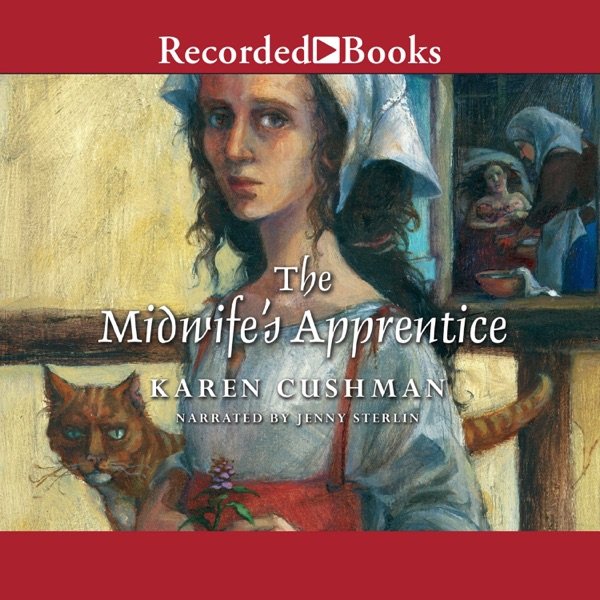
by Karen Cushman
Middle grade · ages 10–14 · grades 5–9 · 780L
A Newbery winner that earns it: a girl with no name becomes herself through honest work and adult recognition; the medieval setting and childbirth apprenticeship feel urgent and real, not decorative.
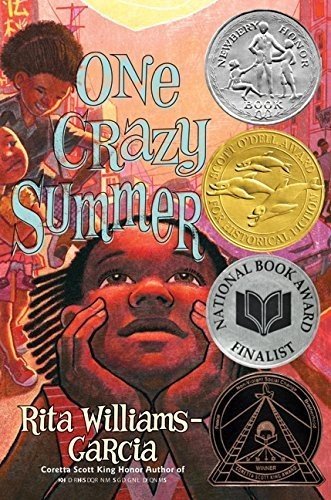
by Rita Williams-Garcia
Middle grade · ages 8–12 · grades 3–7 · 750L
A richly layered book about sisterhood, identity, and reckoning with parental complexity that treats kids' emotional intelligence seriously—the ending doesn't tidy up, which is exactly why it stays with them.
We'd skip — for now
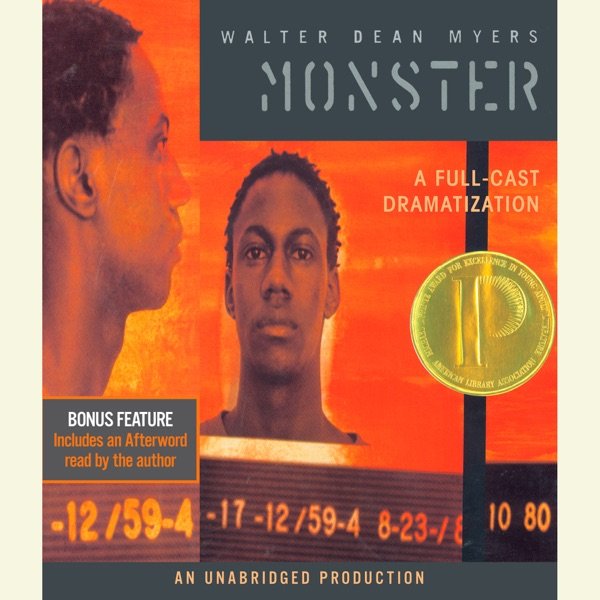
by Walter Dean Myers
A step up — ages 12–18 · grades 7–12
Skip it if your teen is not ready to sit with moral ambiguity about guilt, or if depictions of jail and systemic racism will be overwhelming without a trusted adult to debrief with.
