For a reader who just finished
Books like THE MILLICENT QUIBB SCHOOL OF ETIQUETTE FOR YOUNG LADIES OF MAD SCIENCE
after THE MILLICENT QUIBB SCHOOL OF ETIQUETTE FOR YOUNG LADIES OF MAD SCIENCE by Kate McKinnon · ages 8–12
Same style
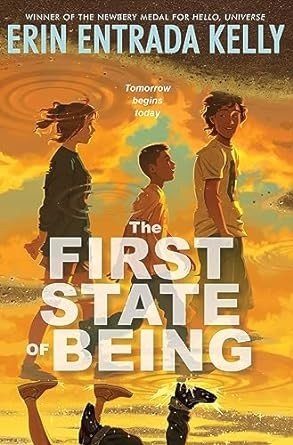
by Erin Entrada Kelly
Middle grade · ages 8–12 · grades 3–7 · 750L
Kelly's best since *Blackbird Fly*—a spare, emotionally precise story about deaf identity and belonging that never condescends and lets the protagonist be fully, unapologetically herself.
by Patrick Ryan
Middle grade · ages 10–14 · grades 5–9 · 750L
A rare, unsentimental portrait of childhood disability—Cal is funny, stubborn, and fully realized, not inspirational; the historical setting lets the book sidestep modern pity and get at something truer.
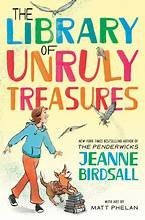
by Jeanne Birdsall
Middle grade · ages 8–12 · grades 3–7 · 780L
Birdsall at her best—a love letter to libraries, friendship, and the specificity of childhood that respects kids' intelligence without preaching.
Stretch them up
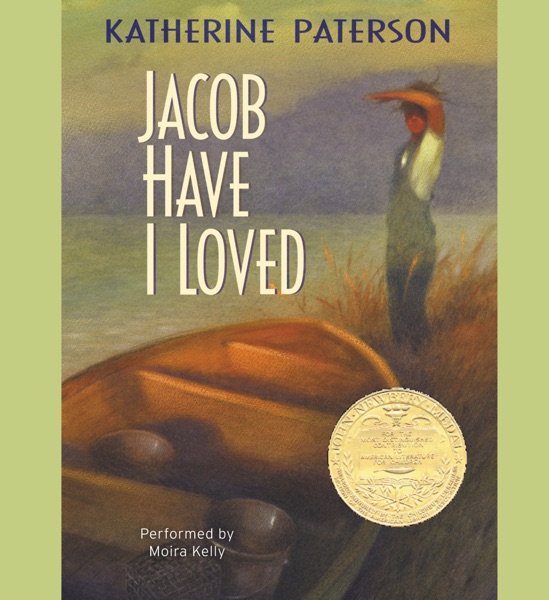
by Katherine Paterson
Middle grade · ages 10–14 · grades 5–9 · 820L
A Newbery winner that actually deserves it—Paterson writes sibling resentment and reconciliation with such honesty that kids recognize their own families, and the 1941 Chesapeake setting carries real historical weight without preaching.
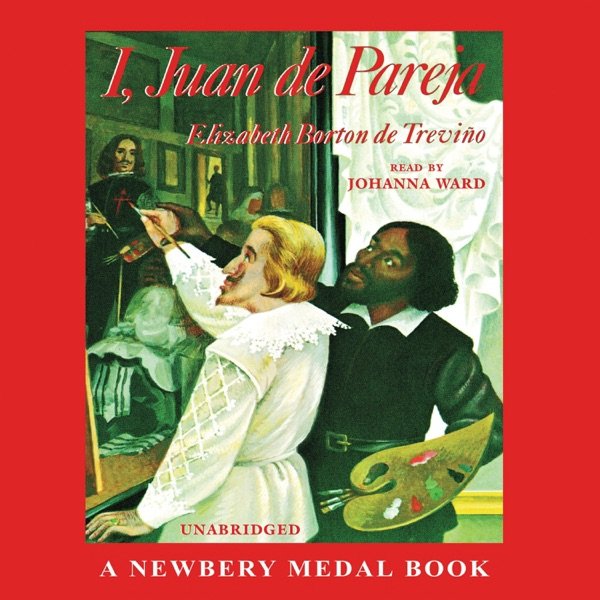
by Elizabeth Borton de Treviño
Middle grade · ages 10–14 · grades 5–9 · 820L
A Newbery winner that doesn't condescend—serious, historically grounded, and genuinely about how one person's refusal to accept powerlessness can remake a life; the prose is elegant and the emotional core is real.
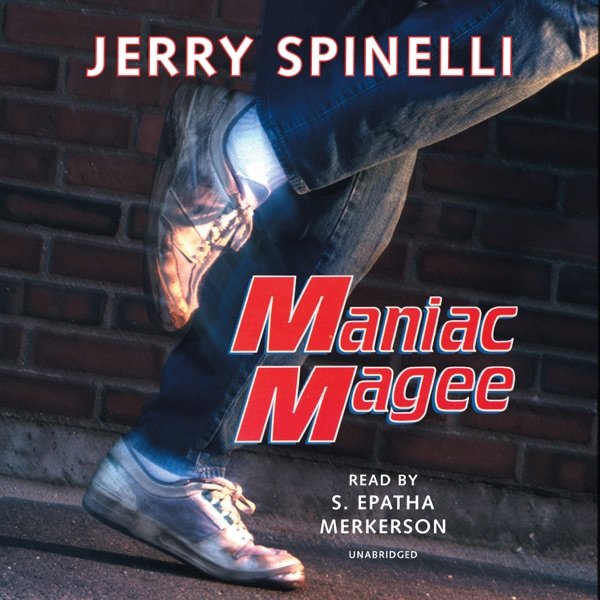
by Jerry Spinelli
Middle grade · ages 8–12 · grades 3–7 · 800L
A Newbery winner that actually deserves it—Spinelli builds a folkloric character and uses him to surgically examine segregation, homelessness, and belonging without preaching.
Complementing on a good life
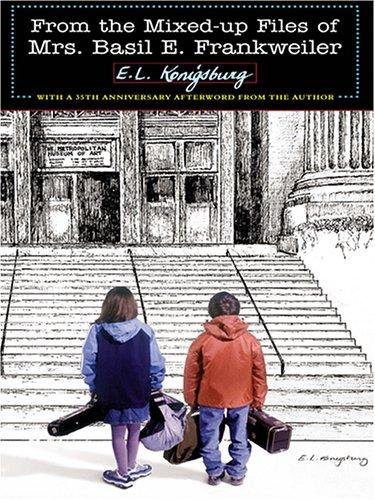
by E. L. Konigsburg
Middle grade · ages 8–12 · grades 3–7 · 790L
A book that trusts kids to be intellectually bored and emotionally complex—Claudia's runaway isn't melodrama, it's a quiet reckoning with identity that lands harder on rereads.
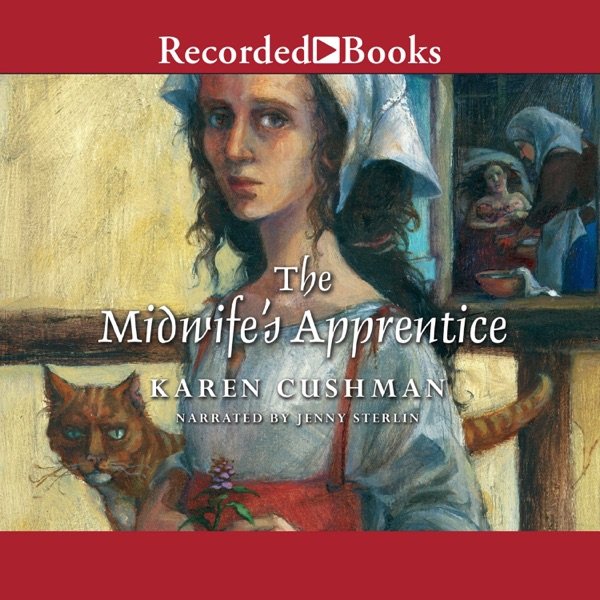
by Karen Cushman
Middle grade · ages 10–14 · grades 5–9 · 780L
A Newbery winner that earns it: a girl with no name becomes herself through honest work and adult recognition; the medieval setting and childbirth apprenticeship feel urgent and real, not decorative.
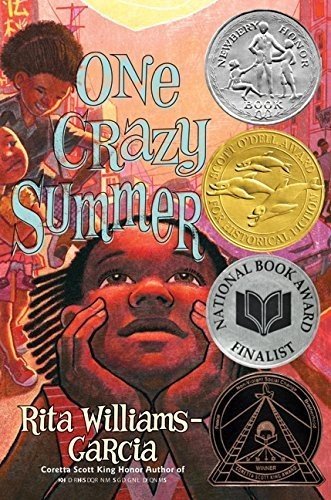
by Rita Williams-Garcia
Middle grade · ages 8–12 · grades 3–7 · 750L
A richly layered book about sisterhood, identity, and reckoning with parental complexity that treats kids' emotional intelligence seriously—the ending doesn't tidy up, which is exactly why it stays with them.
We'd skip — for now
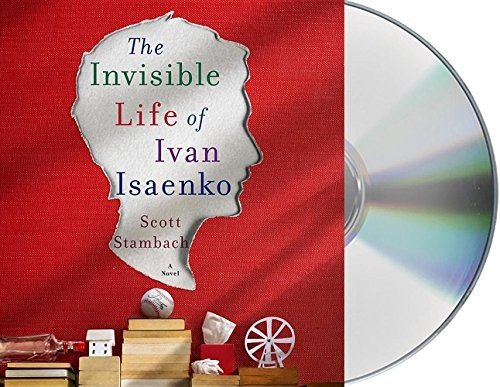
by Scott Stambach
A step up — ages 12–18 · grades 7–12
Skip it if your child has been traumatized by institutional settings, neglect, or disability depictions, or if you're looking for gentle, uplifting disability rep—Ivan's world is bleak and his agency is real but circumscribed.
