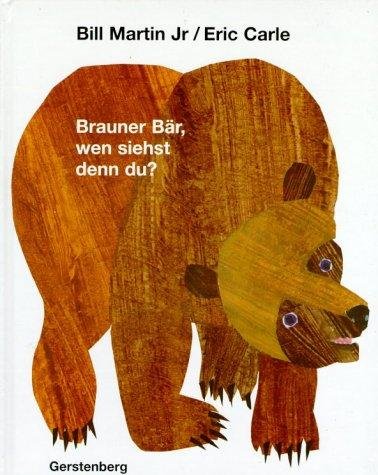
Brown Bear, Brown Bear, What Do You See?
Picture book · ages 2–5 · grade K · 2002
The gold-standard call-and-response board book — rhythmic, predictable, colorful, and built for toddlers to chant along; reread fatigue is real but earned.
For a reader who just finished
after Super Cute Kittens by Amy Culliford · ages 3–6
Picture book · grades K–1 · 200L
A low-stakes visual treat for the youngest readers who just want to look at cats without a complex narrative arc.
Same style
Picture book · ages 2–5 · grade K · 2002
The gold-standard call-and-response board book — rhythmic, predictable, colorful, and built for toddlers to chant along; reread fatigue is real but earned.
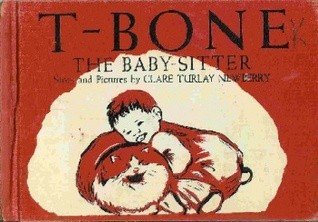
Picture book · ages 3–6 · grades K–1 · 250L · 1950
A gentle mid-century picture book where a cat reluctantly becomes responsible for a baby — humor comes from T-Bone's growing attachment, not chaos.
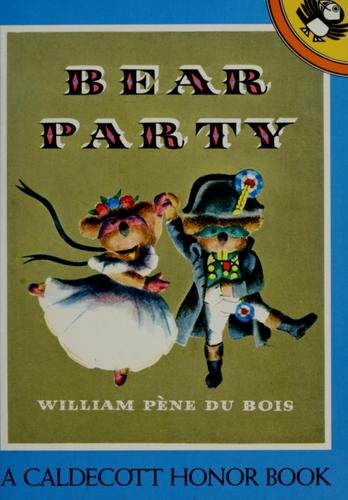
Picture book · ages 4–8 · grades K–3 · 250L · 1975
A gentle, nearly wordless party romp with du Bois's clean Mid-Century Modernist illustrations—sweet and easy, but thin on plot or character growth.
Stretch them up
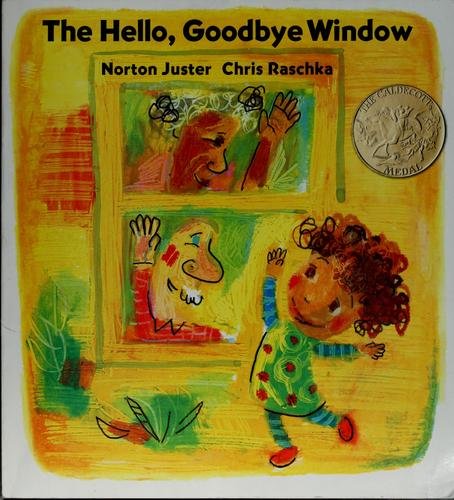
Picture book · ages 4–8 · grades K–3 · 300L
A quiet masterpiece about the small sacred moments between grandparents and grandchildren — the kind of book you reread for its rhythm and illustrations, not plot.
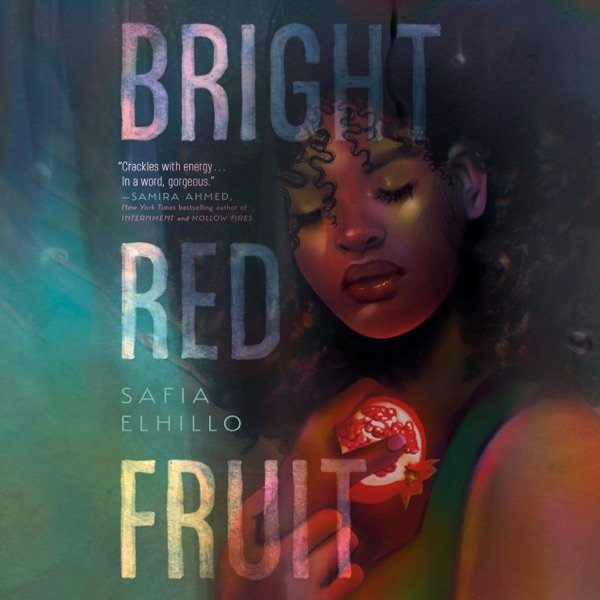
Picture book · ages 3–7 · grades K–2 · 300L · 2023
A sensory, poetic picture book that celebrates color, taste, and cultural specificity without a plot—perfect for read-alouds with younger toddlers and a genuine rarity: a lyric-driven book for this age that doesn't feel condescending.
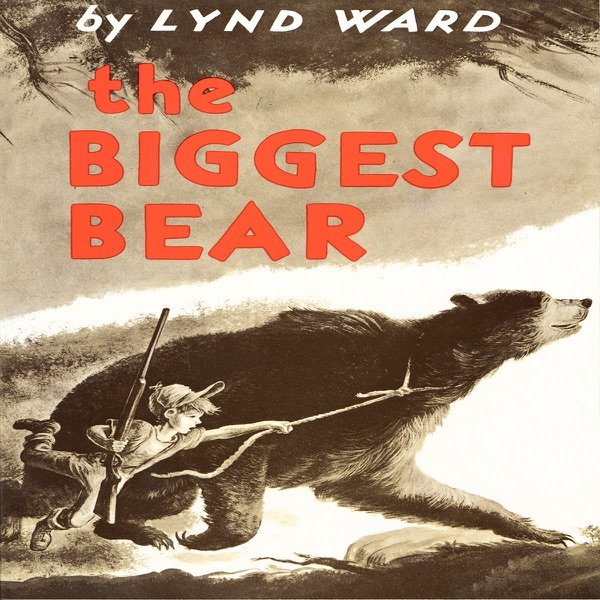
by Lynd Ward
Picture book · ages 4–8 · grades K–3 · 350L · 1980
A Caldecott winner that actually earns it—Lynd Ward's woodcut illustrations are stunning, and the escalating chaos of a pet bear is both funny and genuinely instructive about unintended consequences.
Complementing on naming feelings
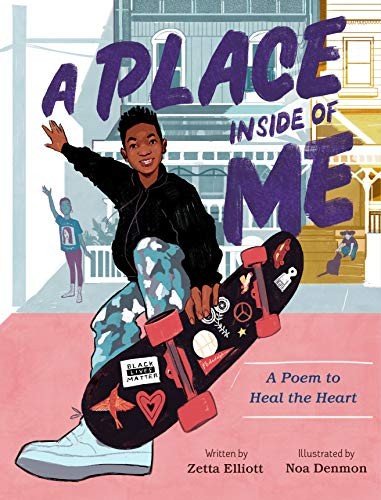
by Noa Denmon
Picture book · ages 4–8 · grades K–3 · 480L
A stunning emotional architecture book — the metaphor of internal rooms for different feelings sticks with kids long after the read, and the illustrations make abstract emotions concrete without sentimentalizing them.
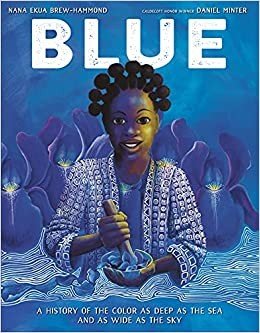
Picture book · ages 4–8 · grades K–3 · 550L · 2022
A lyrical and visually stunning way to teach cultural heritage without it feeling like a lecture; the 'blue' motif is clever enough for older kids but accessible for toddlers.
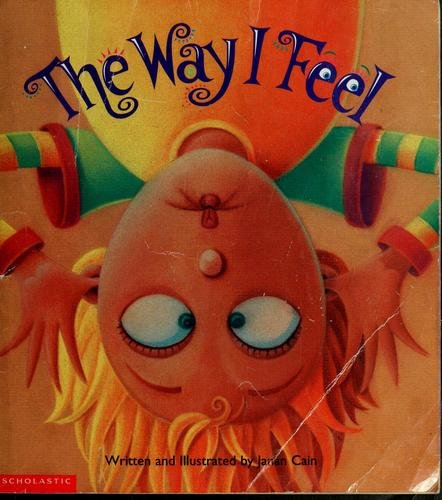
by Janan Cain
Picture book · ages 4–8 · grades K–3 · 300L
The clearest, most actionable emotional-vocabulary reference picture book for young kids—sturdy format, diverse representation, and zero saccharine framing.
We'd skip — for now
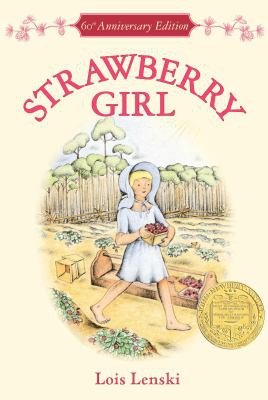
by Lois Lenski
A step up — ages 8–12 · grades 3–7
Skip it if your child finds slow-paced, landscape-focused narratives boring — there's little plot momentum, mostly sensory immersion in farm seasons.