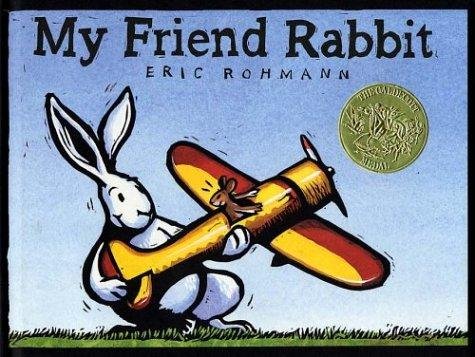
My Friend Rabbit
by Eric Rohmann
Picture book · ages 4–8 · grades K–3 · 320L · 2007
A perfect first graphic-novel experience—pure visual comedy, nearly wordless, and the friendship is genuine despite Rabbit's chaos.
For a reader who just finished
after Kiki and the Can by John Leguizamo · ages 4–8
Picture book · grades K–3 · 450L
Leguizamo’s signature warmth meets a chaotic pet plot; it’s a high-energy read-aloud that keeps the pace brisk without sacrificing heart.
Same style
by Eric Rohmann
Picture book · ages 4–8 · grades K–3 · 320L · 2007
A perfect first graphic-novel experience—pure visual comedy, nearly wordless, and the friendship is genuine despite Rabbit's chaos.
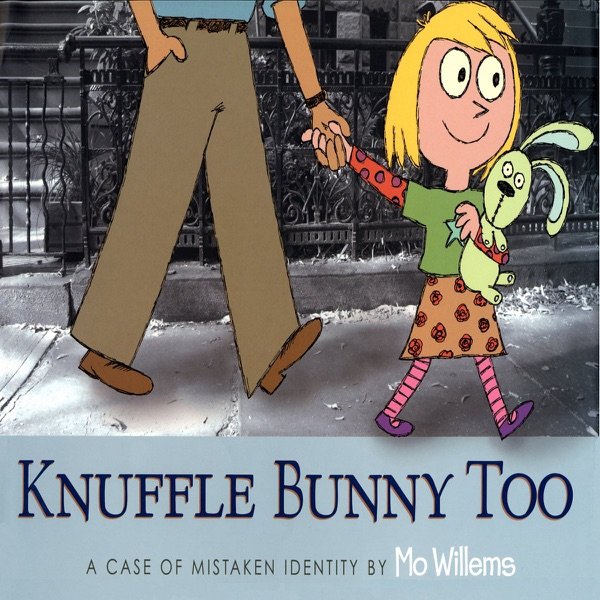
by Mo Willems
Picture book · ages 3–7 · grades K–2 · 480L
Willems nails the toddler logic of ownership and friendship; the mistaken-bunny premise is genuinely funny for kids and parents, and Trixie's bilingual speech patterns feel authentically lived-in.
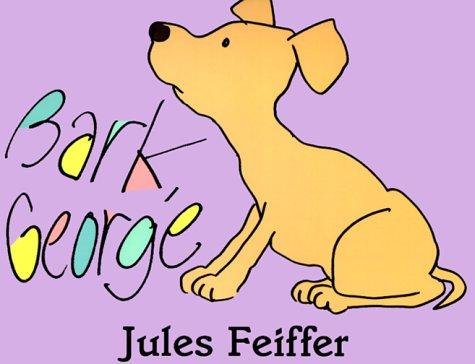
Picture book · ages 2–5 · grade K · 1999
Pure absurdist silliness with a mechanical cause-and-effect engine that toddlers find hilarious on repeat — Feiffer's line work makes the ridiculous premise visually funny, not just conceptually.
Stretch them up
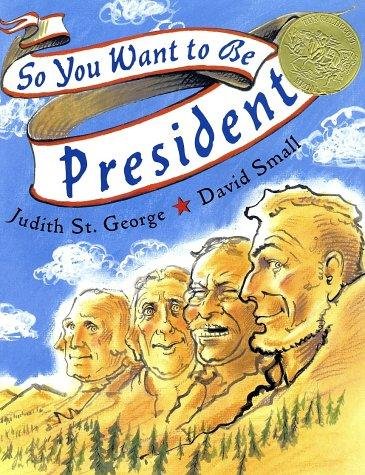
by David Small
Picture book · ages 4–8 · grades K–3 · 620L · 2000
A Caldecott winner that makes U.S. history genuinely funny — kids laugh at the absurdity while absorbing real facts about presidents in a format that's pure delight to reread.
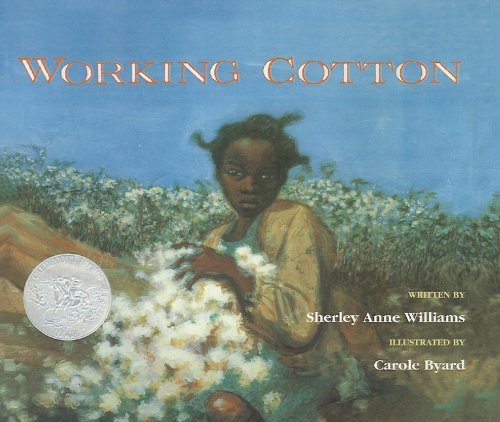
by Carole Byard
Picture book · ages 6–10 · grades 1–5 · 620L · 1997
Unflinching, lyrical, and told in the protagonist's own voice — this is the rare picture book that doesn't sentimentalize poverty but doesn't rob children of it either, and Carole Byard's collage art is extraordinary.

Picture book · ages 4–8 · grades K–3 · 650L · 1996
A picture book that works at 6 and deepens at 9—Ringgold's quilted illustrations and Cassie's dreaming of flight and ownership will stick with your kid for years, and the 1930s Harlem setting opens conversations about racism, class, and what freedom means.
Complementing on naming feelings
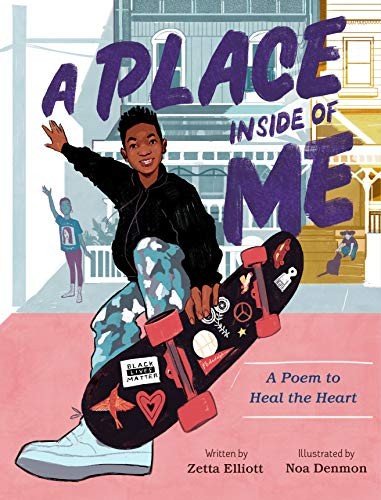
by Noa Denmon
Picture book · ages 4–8 · grades K–3 · 480L
A stunning emotional architecture book — the metaphor of internal rooms for different feelings sticks with kids long after the read, and the illustrations make abstract emotions concrete without sentimentalizing them.
Verse novel · ages 6–10 · grades 1–5 · 520L · 1998
A masterwork of bilingual wordplay that reads aloud with infectious energy—kids feel seen in the code-switching, and the poems actively teach that two languages in one mind is a superpower, not a problem.
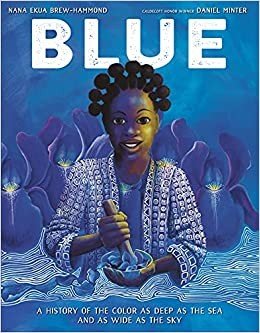
Picture book · ages 4–8 · grades K–3 · 550L · 2022
A lyrical and visually stunning way to teach cultural heritage without it feeling like a lecture; the 'blue' motif is clever enough for older kids but accessible for toddlers.
We'd skip — for now
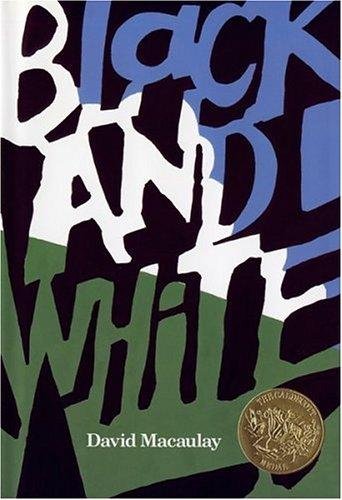
by David Macaulay
A step up — ages 8–12 · grades 3–7
Skip it if your child finds open-ended narratives frustrating or needs explicit narrative closure; the ambiguity is the point.