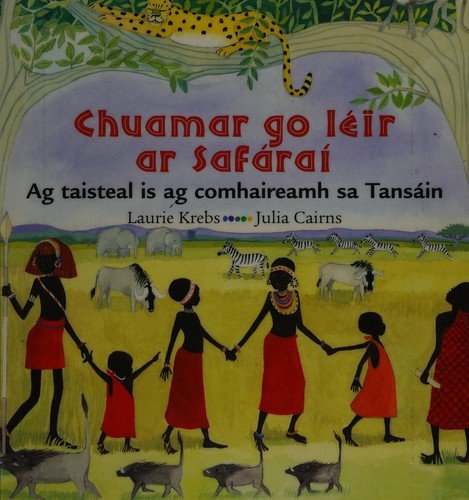
We All Went on Safari
by Laurie Krebs
Picture book · ages 4–8 · grades K–3 · 620L · 2003
A cumulative counting-song picture book disguised as a safari guide — rhythmic, sneaky educational, and the illustrations reward slow looking.
For a reader who just finished
after Investigating the Milky Way and Other Galaxies with Velma by Ailynn Collins · ages 6–9
Picture book · grades 1–4 · 550L
A solid, engaging entry point for kids who want to understand how we actually know what galaxies are made of, wrapped in a familiar Scooby-Doo character.
Same style
by Laurie Krebs
Picture book · ages 4–8 · grades K–3 · 620L · 2003
A cumulative counting-song picture book disguised as a safari guide — rhythmic, sneaky educational, and the illustrations reward slow looking.
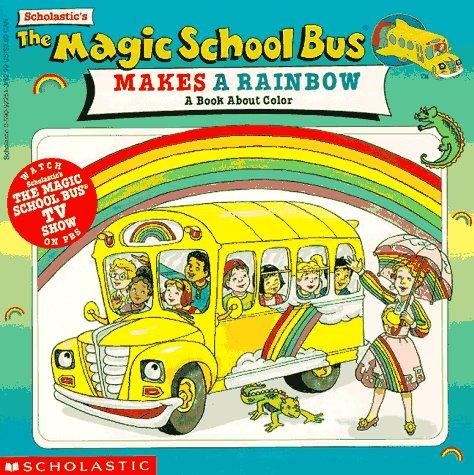
by Joanna Cole
Picture book · ages 4–8 · grades K–3 · 520L · 2001
The MSB formula works best here: concrete visual phenomena, genuine science content, and Frizzle's unflappable classroom that makes experimentation feel safe and inevitable.
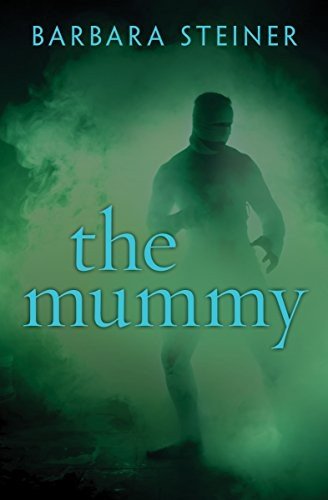
Picture book · ages 5–9 · grades K–4 · 550L · 2014
A smartly illustrated introduction to mummies that satisfies the 'gross and mysterious' appeal while teaching real Egyptology—kids learn how scientists actually know what they know.
Stretch them up
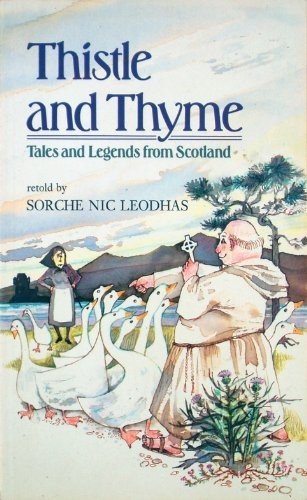
Picture book · ages 6–10 · grades 1–5 · 750L · 1985
Nic Leodhas is a master of folkloric voice—these Scottish tales are funny, strange, and told with a cadence that makes them feel lived-in; read aloud for maximum enchantment.
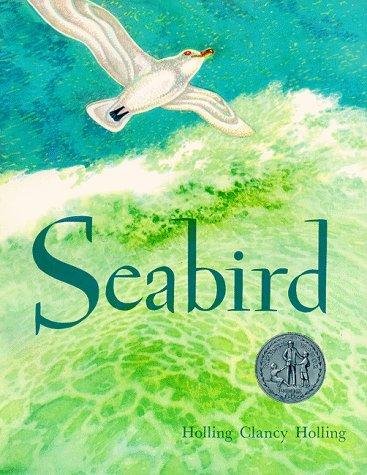
Picture book · ages 6–10 · grades 1–5 · 620L · 1978
A masterpiece of patient observation disguised as a picture book—the illustrations reward close, repeated looking and the text respects a child's intelligence without talking down.
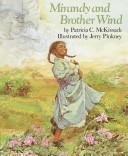
Picture book · ages 4–8 · grades K–3 · 620L
A stunning picture book that weaves African American folklore, Southern rural life, and genuine emotional stakes—Pinkney's illustrations alone are worth revisiting, and Mirandy's problem-solving arc models courage without sentimentality.
Complementing on scientific method
Picture book · ages 4–8 · grades K–3 · 620L
A Caldecott Medal masterpiece: lush, period-accurate illustrations and a genuinely gripping narrative about a real inventor that reads like adventure, not homework.
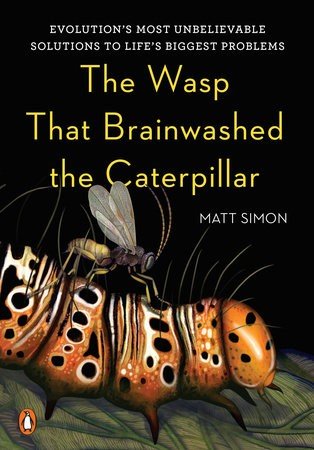
by Matt Simon
Nonfiction · ages 8–12 · grades 3–7 · 780L · 2017
The funniest animal-science book for this age—Simon's deadpan voice makes parasitism and manipulation genuinely thrilling, and kids walk away actually understanding how coevolution works.
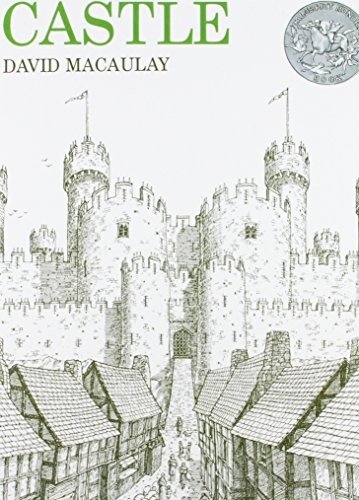
Nonfiction · ages 8–12 · grades 3–7 · 720L · 2007
Macaulay's masterpiece — architectural history made visceral through illustration and narrative; kids who engage deeply will ask real questions about how things are built.
We'd skip — for now
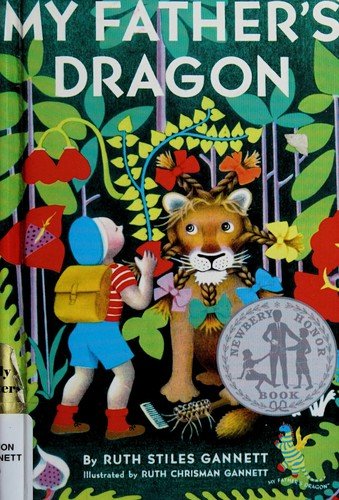
by Ruth Stiles Gannett
A step up — ages 9–12 · grades 4–7
Skip it if your child has strong separation anxiety or is unsettled by a young child away from parents for an extended journey.