
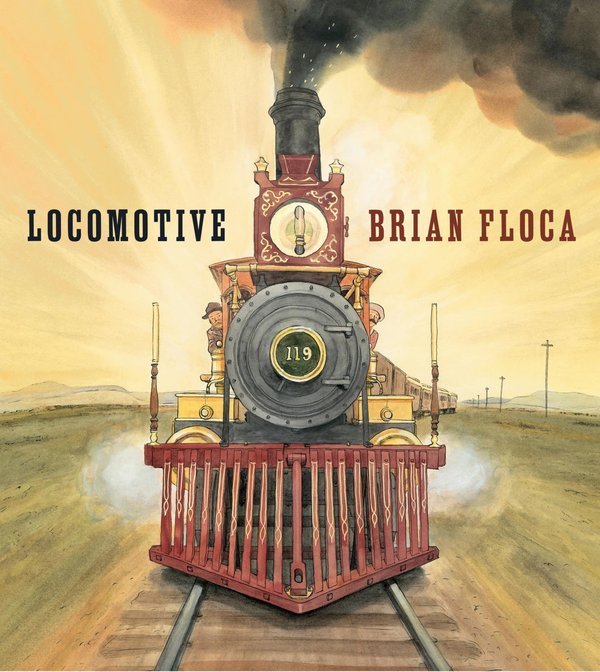
Locomotive
by Brian Floca
Picture book · ages 5–9 · grades K–4 · 620L
A Caldecott winner that justifies it—meticulous drawings teach how machines actually work while a boy's perspective keeps it intimate and alive.
For a reader who just finished
after The mummy by Barbara Steiner · ages 5–9
Same style
by Brian Floca
Picture book · ages 5–9 · grades K–4 · 620L
A Caldecott winner that justifies it—meticulous drawings teach how machines actually work while a boy's perspective keeps it intimate and alive.
by Holling C. Holling
Picture book · ages 6–10 · grades 1–5 · 620L
A 1975 classic that holds up: gorgeously illustrated and densely informative without feeling didactic, following a mink from Minnesota headwaters to the Gulf, with asides on river towns and ecosystems that reward rereading.
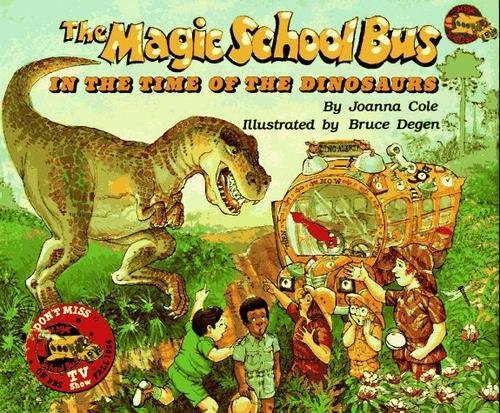
by Joanna Cole
Picture book · ages 4–8 · grades K–3 · 620L
The most durable elementary science series ever written—genuinely teaches observation and scientific thinking without feeling didactic, and kids reread it obsessively.
Stretch them up
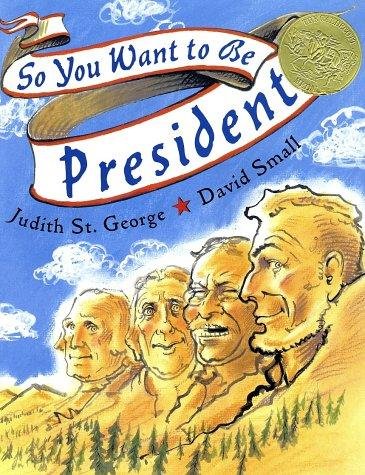
by David Small
Picture book · ages 4–8 · grades K–3 · 620L
A Caldecott winner that makes U.S. history genuinely funny — kids laugh at the absurdity while absorbing real facts about presidents in a format that's pure delight to reread.
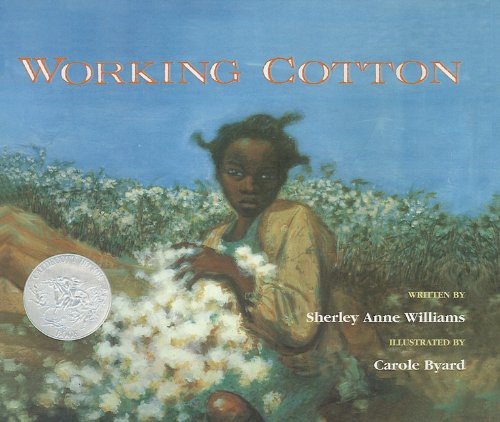
by Carole Byard
Picture book · ages 6–10 · grades 1–5 · 620L
Unflinching, lyrical, and told in the protagonist's own voice — this is the rare picture book that doesn't sentimentalize poverty but doesn't rob children of it either, and Carole Byard's collage art is extraordinary.
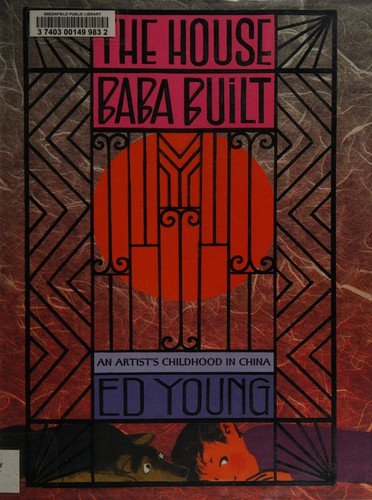
by Ed Young
Picture book · ages 4–8 · grades K–3 · 620L
A lyrical, elegantly illustrated memoir for young readers that treats childhood displacement and cultural identity with literary depth without condescension—the collage-style art is as much the story as the words.
Complementing on scientific method
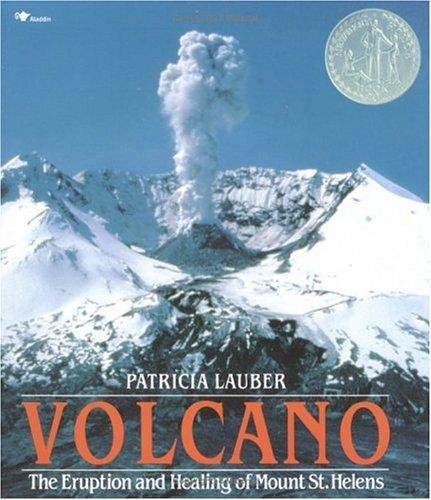
by Patricia Lauber
Nonfiction · ages 6–10 · grades 1–5 · 760L
Stunning photographic documentation of a real natural disaster and its aftermath—kids grasp cause-and-effect at landscape scale, and the healing narrative is genuinely hopeful without being saccharine.
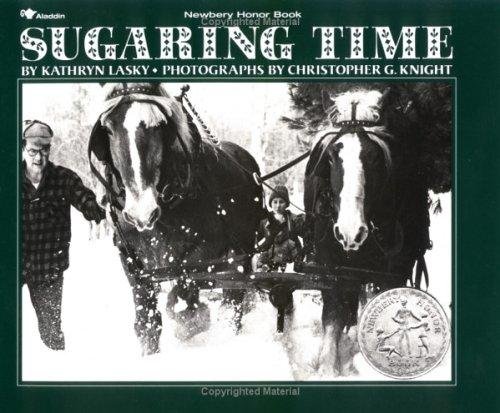
by Kathryn Lasky
Picture book · ages 5–9 · grades K–4 · 620L
A documentary-style picture book that makes process literacy exciting — kids grasp the whole arc from tree to table, and Lasky's matter-of-fact voice models scientific thinking without preaching.
by Carl Sagan
Nonfiction
A 1980 classic that still holds — Sagan's measured wonder and clarity about the scale of the universe can genuinely shift how a curious 10+ kid sees their place in it.
We'd skip — for now
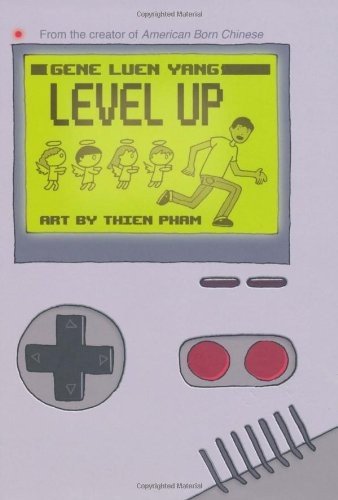
by Gene Luen Yang
A step up — ages 10–14 · grades 5–9
Skip it if your child is bothered by parent-child conflict or has experienced parental pressure around school/career (the emotional stakes may cut too close).