For a reader who just finished
Books like The Magic School Bus Makes A Rainbow
after The Magic School Bus Makes A Rainbow by Joanna Cole · ages 4–8
Same style
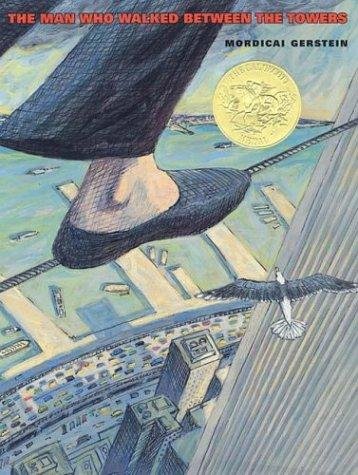
by Mordicai Gerstein
Picture book · ages 4–8 · grades K–3 · 620L
A Caldecott winner about a real, astonishing event—Gerstein's spare prose and soaring illustrations make this feel mythic without sentimentalizing, and kids understand immediately why someone would risk everything for beauty.
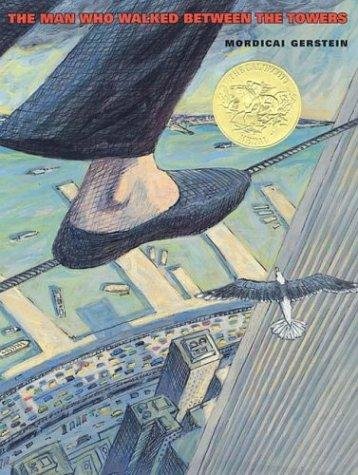
by Mordicai Gerstein
Picture book · ages 4–8 · grades K–3 · 620L
A Caldecott winner about a real, astonishing event—Gerstein's spare prose and soaring illustrations make this feel mythic without sentimentalizing, and kids understand immediately why someone would risk everything for beauty.
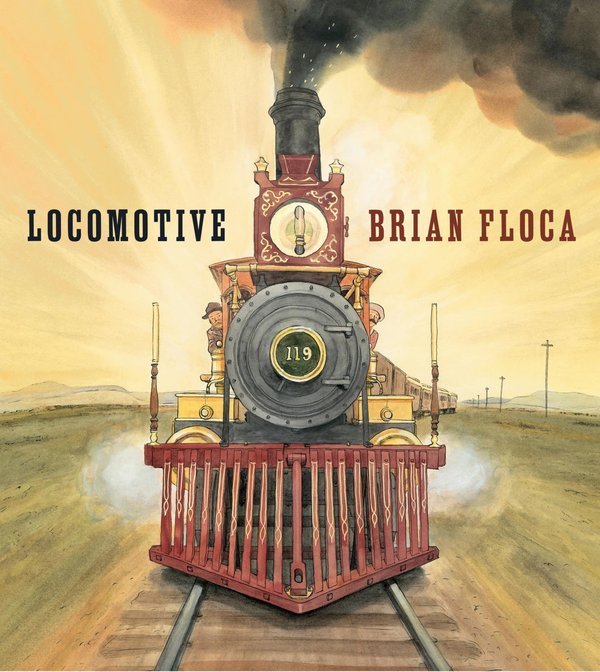
by Brian Floca
Picture book · ages 5–9 · grades K–4 · 620L
A Caldecott winner that justifies it—meticulous drawings teach how machines actually work while a boy's perspective keeps it intimate and alive.
Stretch them up
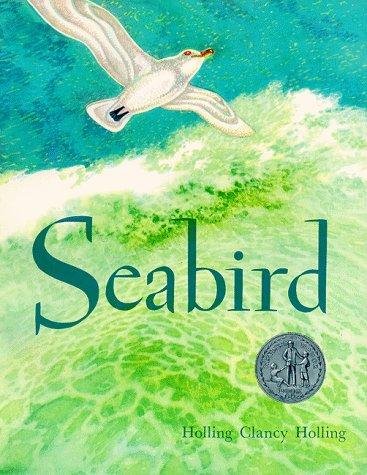
by Holling C. Holling
Picture book · ages 6–10 · grades 1–5 · 620L
A masterpiece of patient observation disguised as a picture book—the illustrations reward close, repeated looking and the text respects a child's intelligence without talking down.
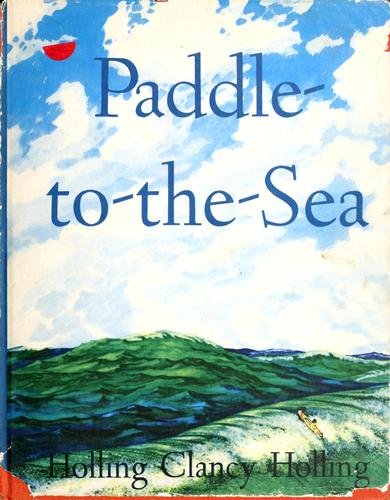
by Holling C. Holling
Picture book · ages 6–10 · grades 1–5 · 620L
A quiet masterpiece—the narrative voice lets the illustrations and geographic detail carry the story; kids absorb how water, seasons, and ecosystems interconnect without ever feeling lectured.
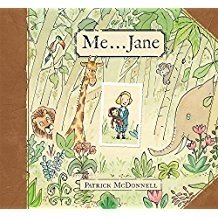
by Patrick McDonnell
Picture book · ages 4–8 · grades K–3 · 620L
McDonnell's watercolor dreaming captures the tender obsession of a girl with animals — this is how most naturalists start, and the book honors that without sentimentality.
Complementing on scientific method
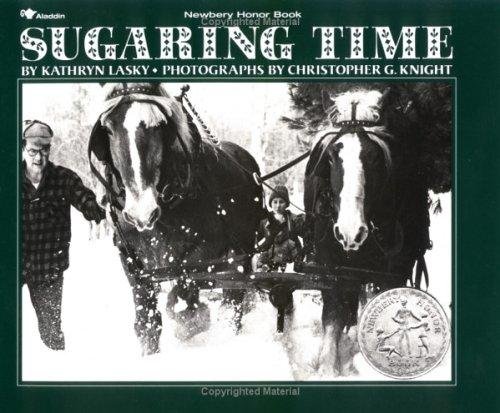
by Kathryn Lasky
Picture book · ages 5–9 · grades K–4 · 620L
A documentary-style picture book that makes process literacy exciting — kids grasp the whole arc from tree to table, and Lasky's matter-of-fact voice models scientific thinking without preaching.
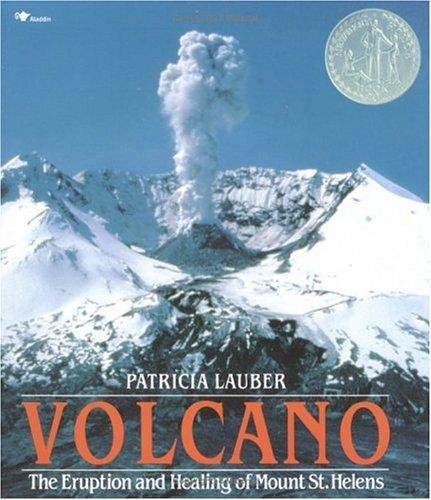
by Patricia Lauber
Nonfiction · ages 6–10 · grades 1–5 · 760L
Stunning photographic documentation of a real natural disaster and its aftermath—kids grasp cause-and-effect at landscape scale, and the healing narrative is genuinely hopeful without being saccharine.
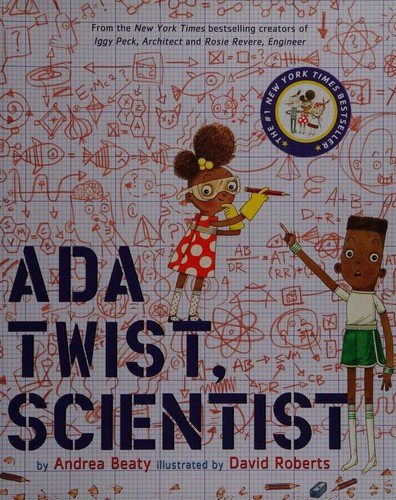
by Andrea Beaty
Picture book · ages 4–8 · grades K–3 · 620L
The best entry point to experimental thinking for this age—Ada's smell mystery is genuinely absorbing, and Beaty's rhyme scheme carries reluctant readers without condescension.
We'd skip — for now
by Sidney Rosen
A step up — ages 8–12 · grades 3–7
Skip it if your child has learned that Galileo invented the telescope (he didn't, and this corrects that myth—worth knowing, but some curricula may conflict).
