I Am Not a Dog
by Mari Bolte
Picture book · ages 4–8 · grades K–3 · 350L · 2023
A lighthearted, low-stakes way to talk about why labels don't always fit and how to politely correct them.
For a reader who just finished
after I Am Not a Camel by Mari Bolte · ages 3–7
Picture book · grades K–2 · 450L
A playful, low-stakes way to talk about self-identity and saying 'no' to things that don't fit you.
Same style
by Mari Bolte
Picture book · ages 4–8 · grades K–3 · 350L · 2023
A lighthearted, low-stakes way to talk about why labels don't always fit and how to politely correct them.
by Jim Whiting
Picture book · ages 4–8 · grades K–3 · 450L · 2023
A funny, low-stakes way to validate kids who feel they have to perform 'goodness' rather than just be themselves.
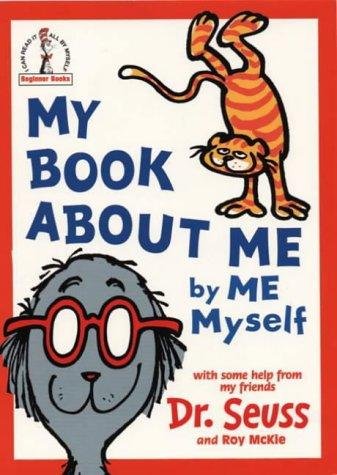
by Dr. Seuss
Picture book · ages 4–8 · grades K–3 · 300L · 1973
A Seussian blank-canvas book that invites kids to fill in their own answers—less narrative drive than typical Seuss, but the premise (you are the subject worth writing about) lands for the right kid.
Stretch them up
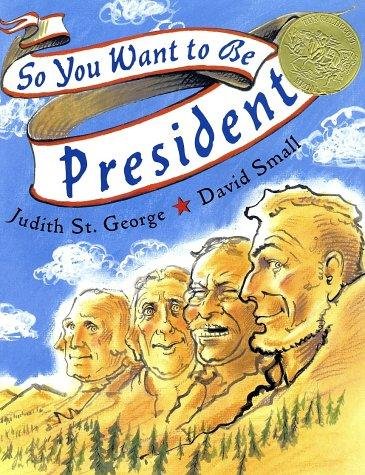
by David Small
Picture book · ages 4–8 · grades K–3 · 620L · 2000
A Caldecott winner that makes U.S. history genuinely funny — kids laugh at the absurdity while absorbing real facts about presidents in a format that's pure delight to reread.

Picture book · ages 4–8 · grades K–3 · 650L · 1996
A picture book that works at 6 and deepens at 9—Ringgold's quilted illustrations and Cassie's dreaming of flight and ownership will stick with your kid for years, and the 1930s Harlem setting opens conversations about racism, class, and what freedom means.
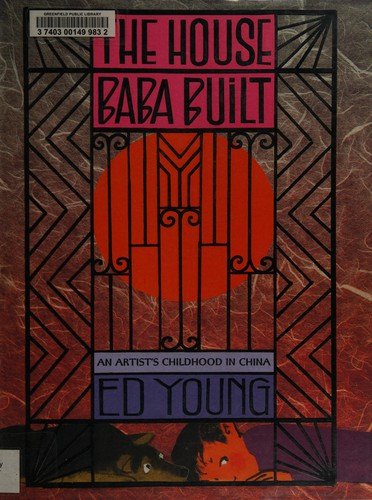
by Ed Young
Picture book · ages 4–8 · grades K–3 · 620L · 2011
A lyrical, elegantly illustrated memoir for young readers that treats childhood displacement and cultural identity with literary depth without condescension—the collage-style art is as much the story as the words.
Complementing on naming feelings
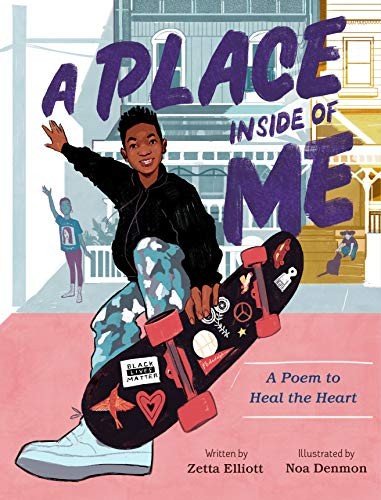
by Noa Denmon
Picture book · ages 4–8 · grades K–3 · 480L
A stunning emotional architecture book — the metaphor of internal rooms for different feelings sticks with kids long after the read, and the illustrations make abstract emotions concrete without sentimentalizing them.
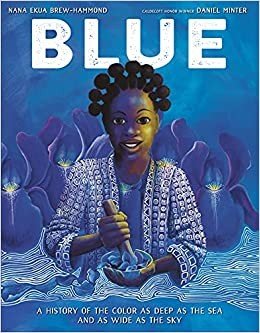
Picture book · ages 4–8 · grades K–3 · 550L · 2022
A lyrical and visually stunning way to teach cultural heritage without it feeling like a lecture; the 'blue' motif is clever enough for older kids but accessible for toddlers.
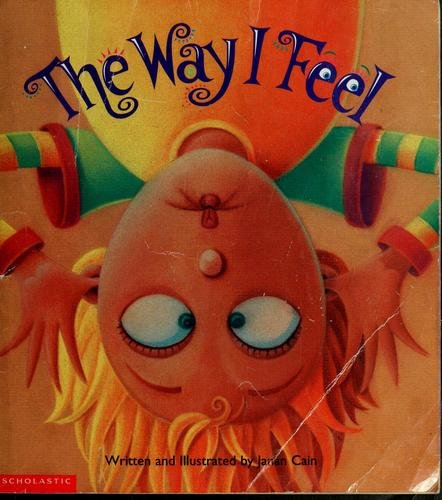
by Janan Cain
Picture book · ages 4–8 · grades K–3 · 300L
The clearest, most actionable emotional-vocabulary reference picture book for young kids—sturdy format, diverse representation, and zero saccharine framing.
We'd skip — for now
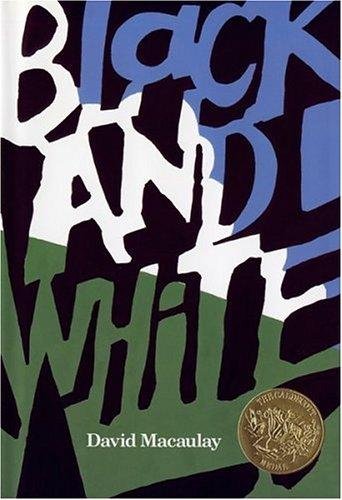
by David Macaulay
A step up — ages 8–12 · grades 3–7
Skip it if your child finds open-ended narratives frustrating or needs explicit narrative closure; the ambiguity is the point.