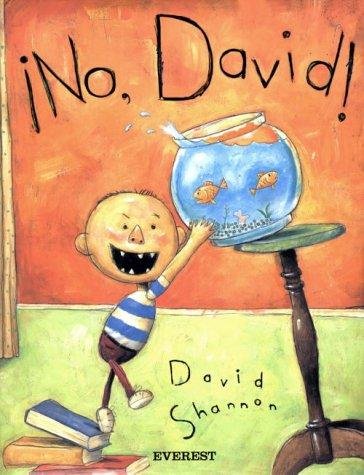
No, David!
Picture book · ages 2–5 · grade K · 1998
The gold-standard boundary-setting picture book—kids recognize themselves, parents get validation that this chaos is universal, and the refrain 'No, David!' feels like play rather than scolding.
For a reader who just finished
after Feeling Excited by Theia Lake · ages 3–6
Picture book · grades K–1 · 250L
A clear, low-stakes tool for teaching emotional vocabulary; the illustrations do the heavy lifting so even pre-readers can grasp the concept.
Same style
Picture book · ages 2–5 · grade K · 1998
The gold-standard boundary-setting picture book—kids recognize themselves, parents get validation that this chaos is universal, and the refrain 'No, David!' feels like play rather than scolding.
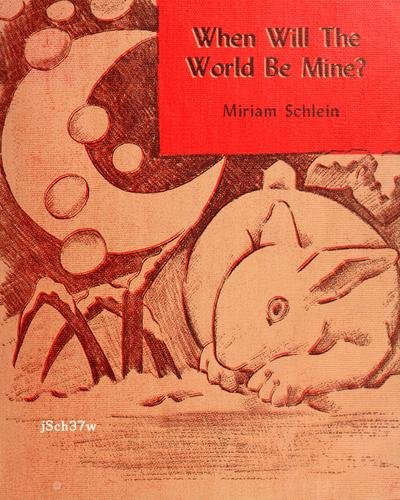
by Jean Charlot
Picture book · ages 3–7 · grades K–2 · 200L
A deceptively wise picture book about developmental stages—each spread shows the child's expanding sphere of agency and comfort, making an elegant case that growing up is about claiming more of the world as you're ready for it.
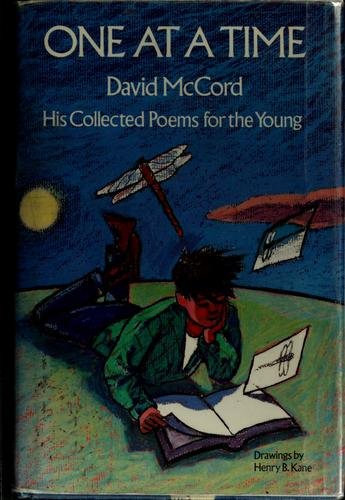
by David McCord
Picture book · ages 4–7 · grades K–2 · 250L
A gentle, rhymed introduction to cause-and-effect that lets pictures do most of the work—perfect for read-aloud at bedtime or as a stepping stone into early readers.
Stretch them up
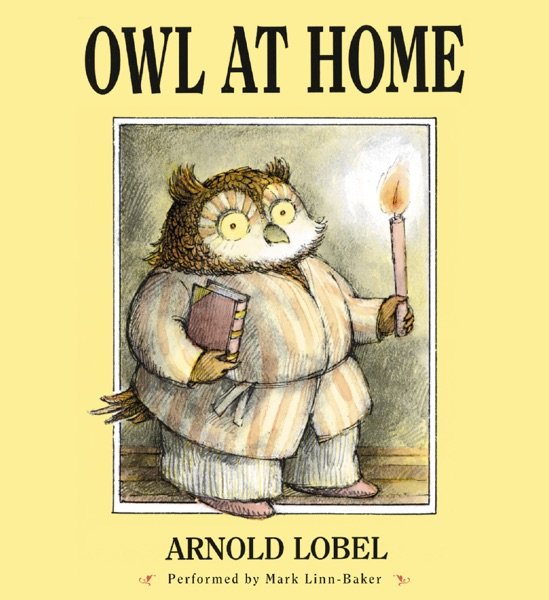
by Arnold Lobel
Early reader · ages 4–8 · grades K–3 · 420L · 1993
Arnold Lobel's masterpiece for early readers—deceptively gentle stories about solitude, friendship, and small domestic joys that grow richer on rereads; the illustrations are essential to the book's heart.
Picture book · ages 4–8 · grades K–3 · 500L
A stunning meditation on Black identity, cosmic belonging, and the stuff of stars — Holmes's collage art is as much the story as the lyrical text, and it lands as both emotional and genuinely educational.
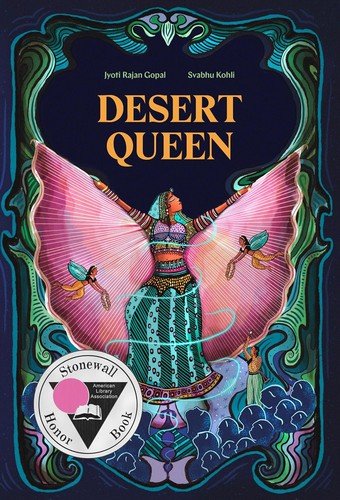
Picture book · ages 4–8 · grades K–3 · 450L · 2023
A luminous picture book that pairs stunning desert landscapes with a quietly powerful story about a female camel who refuses to fit the mold—strong for independent-minded kids and conversations about gender stereotypes.
Complementing on naming feelings
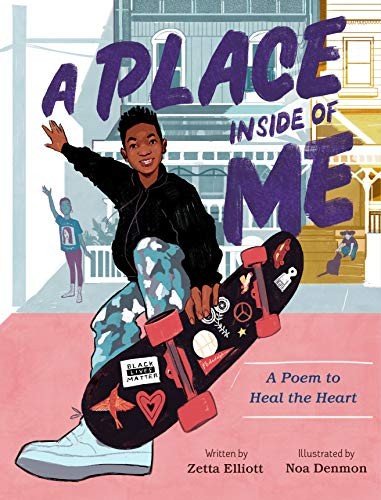
by Noa Denmon
Picture book · ages 4–8 · grades K–3 · 480L
A stunning emotional architecture book — the metaphor of internal rooms for different feelings sticks with kids long after the read, and the illustrations make abstract emotions concrete without sentimentalizing them.
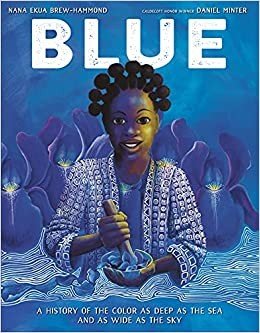
Picture book · ages 4–8 · grades K–3 · 550L · 2022
A lyrical and visually stunning way to teach cultural heritage without it feeling like a lecture; the 'blue' motif is clever enough for older kids but accessible for toddlers.
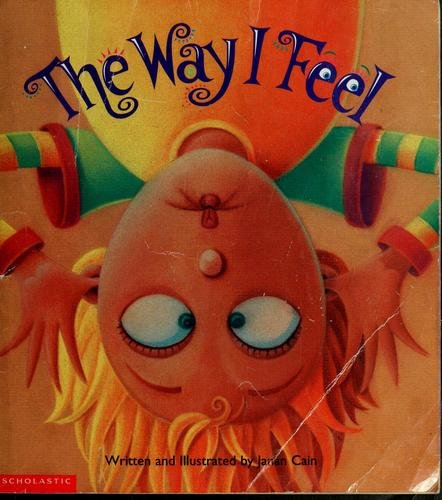
by Janan Cain
Picture book · ages 4–8 · grades K–3 · 300L
The clearest, most actionable emotional-vocabulary reference picture book for young kids—sturdy format, diverse representation, and zero saccharine framing.
We'd skip — for now

by Lidia Ruth Sánchez Mata
A step up — ages 6–10 · grades 1–5
Skip it if your school or community forbids discussion of gender identity or LGBTQ+ inclusion — this book will not pass in all environments.