
Dragonfruit
Middle grade · ages 8–12 · grades 3–7 · 750L · 2024
A quiet, genuine story about cultural identity and belonging that doesn't teach or preach—kids see themselves reflected honestly, and that matters.
For a reader who just finished
after Fairness Is a Superpower by Mahtab Narsimhan · ages 8–12
Middle grade · grades 3–7 · 750L
A timely and accessible entry point for discussing social justice and standing up for others without feeling preachy or heavy-handed.
Same style
Middle grade · ages 8–12 · grades 3–7 · 750L · 2024
A quiet, genuine story about cultural identity and belonging that doesn't teach or preach—kids see themselves reflected honestly, and that matters.
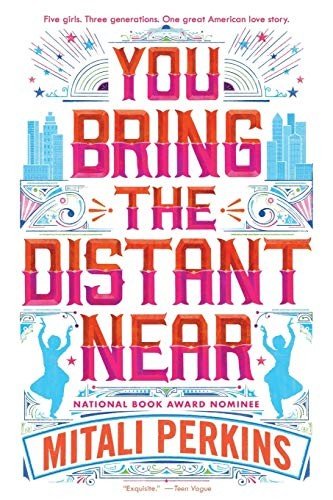
Middle grade · ages 10–14 · grades 5–9 · 780L
Perkins writes immigrant identity with specificity and warmth, never sacrificing narrative momentum or humor; Visit's voice is authentic and the friendship with Darcy models genuine cross-cultural understanding.
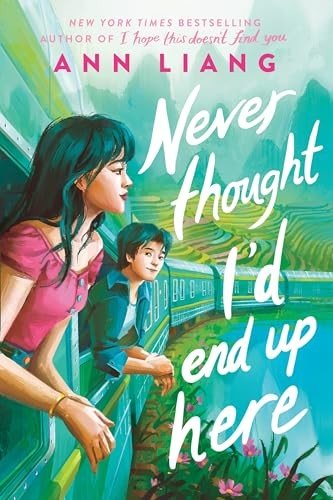
by Ann Liang
Middle grade · ages 10–14 · grades 5–9 · 750L · 2025
A genuinely moving story about code-switching and belonging that doesn't lecture—kids recognize themselves in Caitlin's messy, funny attempts to fit in across two worlds.
Stretch them up
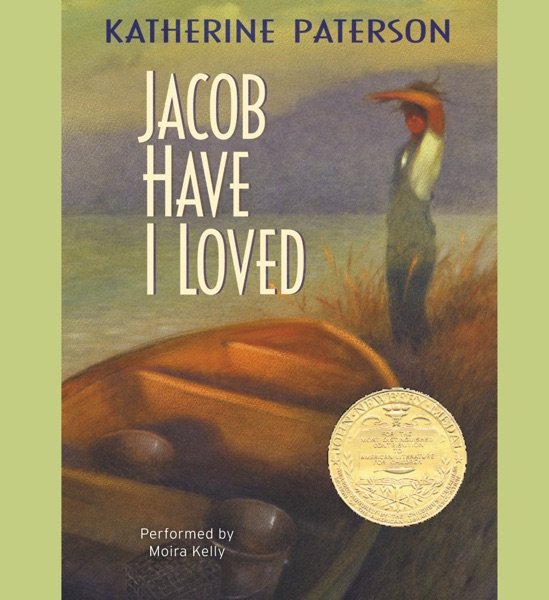
Middle grade · ages 10–14 · grades 5–9 · 820L · 2009
A Newbery winner that actually deserves it—Paterson writes sibling resentment and reconciliation with such honesty that kids recognize their own families, and the 1941 Chesapeake setting carries real historical weight without preaching.

Middle grade · ages 10–14 · grades 5–9 · 820L
Pennypacker writes a protagonist who is disabled without apology or inspiration-porn—the lions matter as much as the girl, and both demand respect.
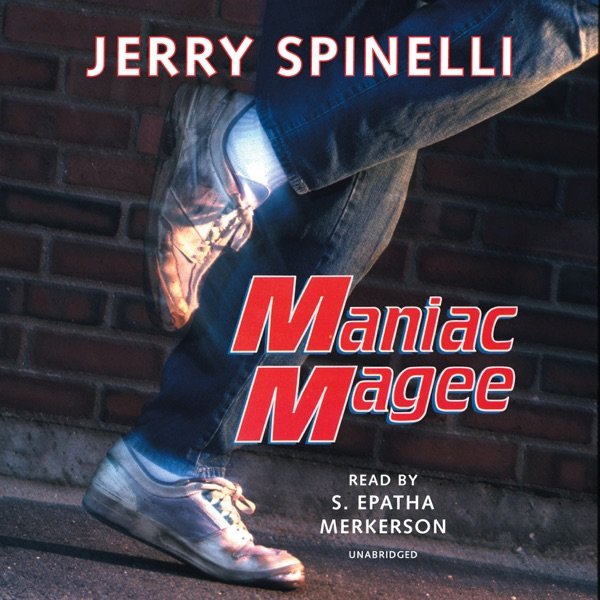
Middle grade · ages 8–12 · grades 3–7 · 800L · 1990
A Newbery winner that actually deserves it—Spinelli builds a folkloric character and uses him to surgically examine segregation, homelessness, and belonging without preaching.
Complementing on fairness

Nonfiction · ages 8–12 · grades 3–7 · 1070L · 2007
The original text is denser than modern adaptations, but the Gothic pacing and genuine stakes (Tiny Tim might die) grip kids; worth the stretch with a parent nearby for first read.
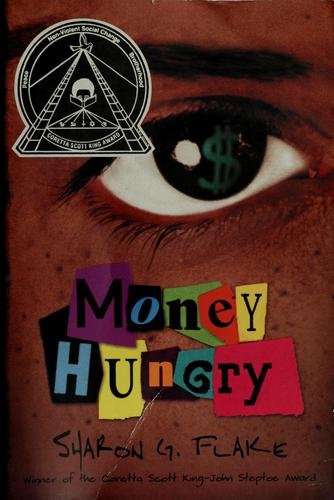
Middle grade · ages 8–12 · grades 3–7 · 750L · 2003
A sharp, unflinching look at a kid building a school-supply monopoly and discovering that hustle culture and friendship don't automatically go together—Flake writes dialect-forward and doesn't soften the girl's ambition or the mess she makes.
Middle grade · ages 8–12 · grades 3–7 · 740L · 1984
A quietly powerful 1984 reissue about a girl navigating poverty and learning that dignity and connection aren't commodities—direct, unsentimental, and genuinely about how communities hold each other up.
We'd skip — for now
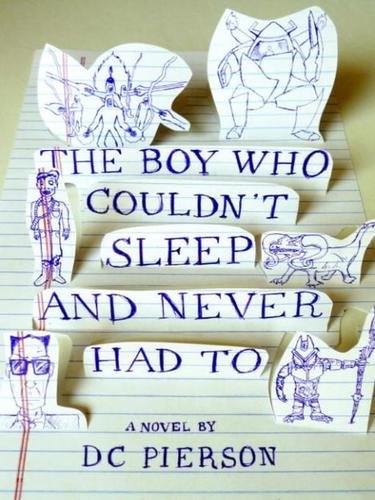
by DC Pierson
A step up — ages 12–15 · grades 7–10
Skip it if your child has unmedicated ADHD and finds books about hyperactive protagonists overstimulating — Darren's racing mind might feel too familiar in a difficult way.