
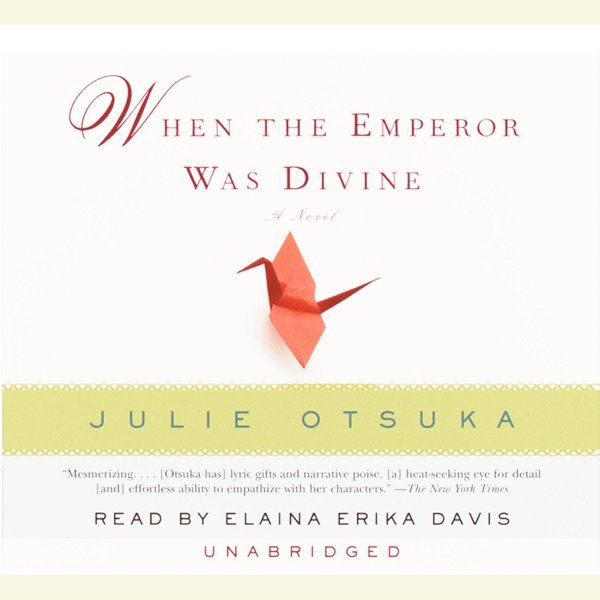
When the Emperor Was Divine
by Julie Otsuka
Nonfiction · 1000L
A spare, formally inventive novel that teaches Japanese American internment through intimate family voices rather than historical exposition—demands maturity but rewards it.
For a reader who just finished
after A Christmas Carol by Charles Dickens · ages 8–12
Same style
by Julie Otsuka
Nonfiction · 1000L
A spare, formally inventive novel that teaches Japanese American internment through intimate family voices rather than historical exposition—demands maturity but rewards it.
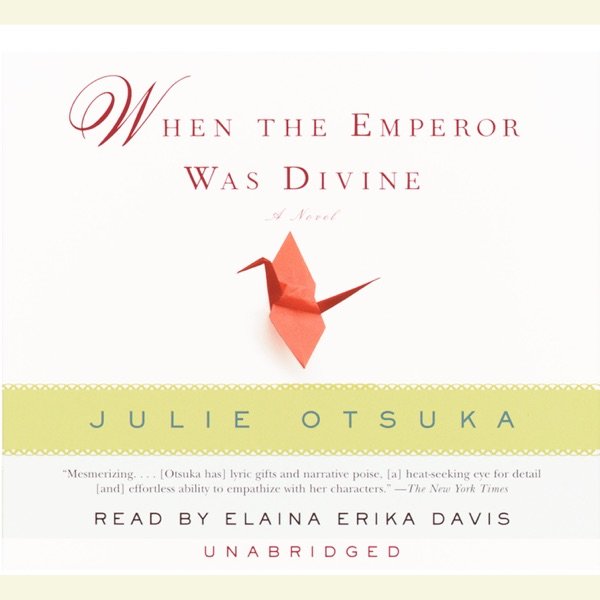
by Julie Otsuka
Nonfiction · 1000L
A spare, formally inventive novel that teaches Japanese American internment through intimate family voices rather than historical exposition—demands maturity but rewards it.
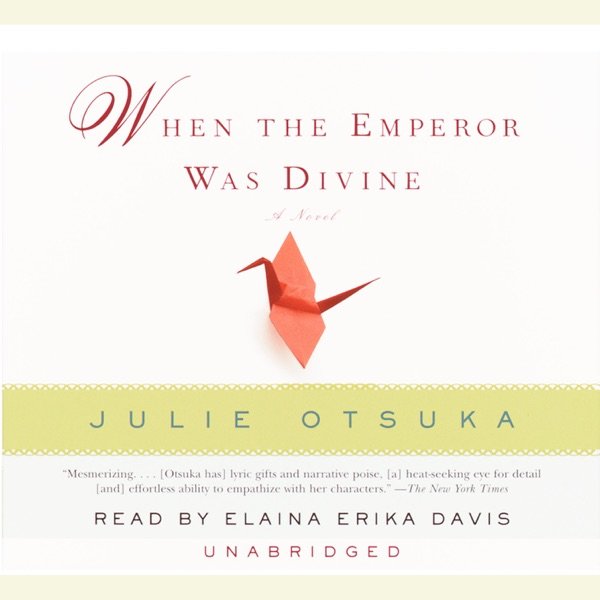
by Julie Otsuka
Nonfiction · 1000L
A spare, formally inventive novel that teaches Japanese American internment through intimate family voices rather than historical exposition—demands maturity but rewards it.
Complementing on kindness
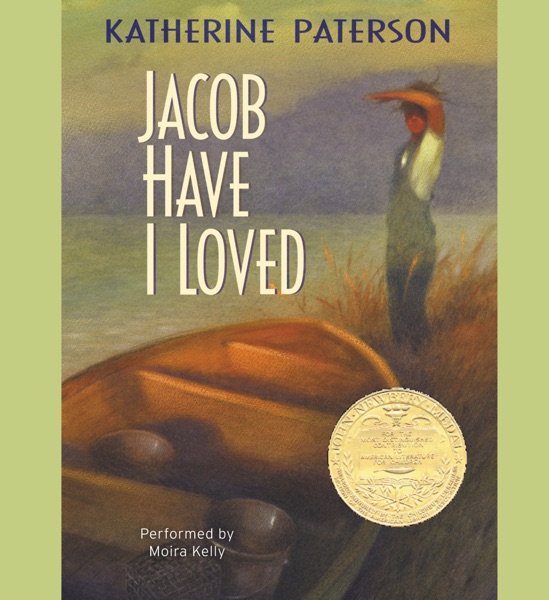
by Katherine Paterson
Middle grade · ages 10–14 · grades 5–9 · 820L
A Newbery winner that actually deserves it—Paterson writes sibling resentment and reconciliation with such honesty that kids recognize their own families, and the 1941 Chesapeake setting carries real historical weight without preaching.
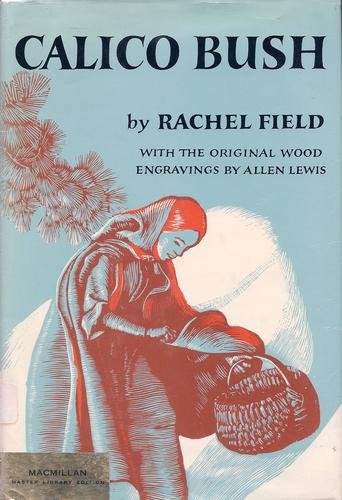
by Rachel Field
Middle grade · ages 10–14 · grades 5–9 · 820L
A Newbery winner that deserves recovery—rich, unsentimental historical fiction about a girl learning to belong after loss, with prose that holds up and a frontier that feels real, not romanticized.
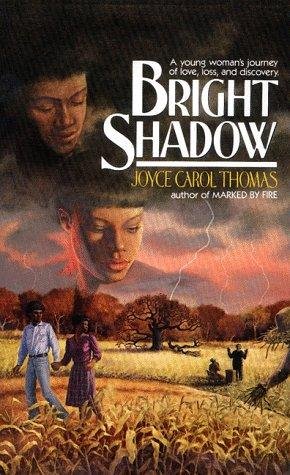
by Joyce Carol Thomas
Middle grade · ages 8–12 · grades 3–7 · 780L
A luminous, unflinching story about difference and belonging—Thomas's lyrical prose and Auri's quiet dignity make this a memorable introduction to how communities can choose love, and how a girl learns her own worth.
We'd skip — for now
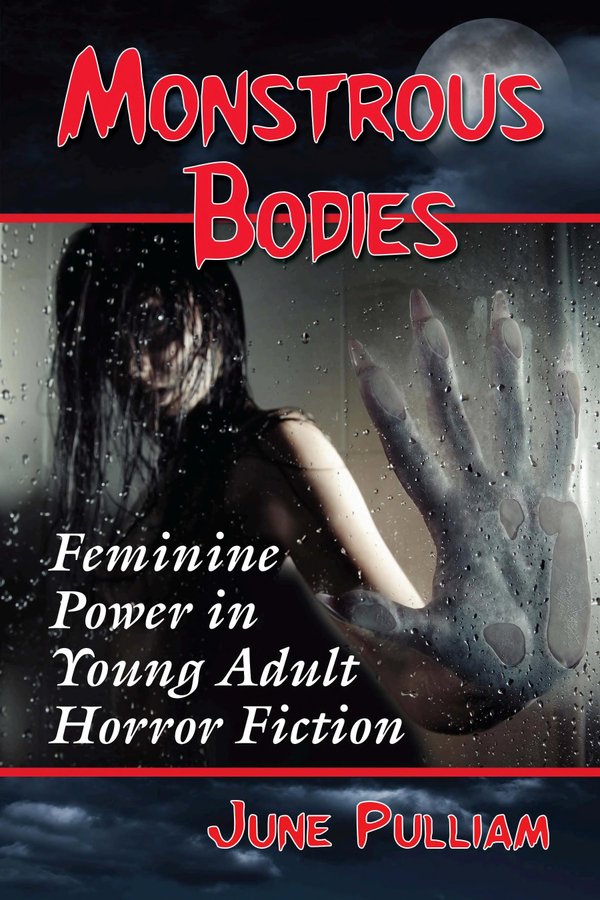
by June Pulliam
A step up — ages 12–18 · grades 7–12
Skip it if your teen isn't ready for unflinching historical detail about medical exploitation, human display, and bodily violence in the name of science.