For a reader who just finished
Books like Ender's Shadow
after Ender's Shadow by Orson Scott Card · age 12+
Same style
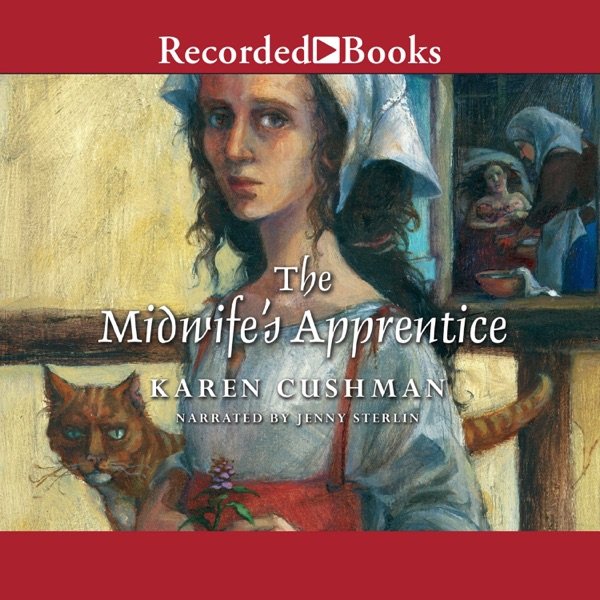
by Karen Cushman
Middle grade · ages 10–14 · grades 5–9 · 780L
A Newbery winner that earns it: a girl with no name becomes herself through honest work and adult recognition; the medieval setting and childbirth apprenticeship feel urgent and real, not decorative.
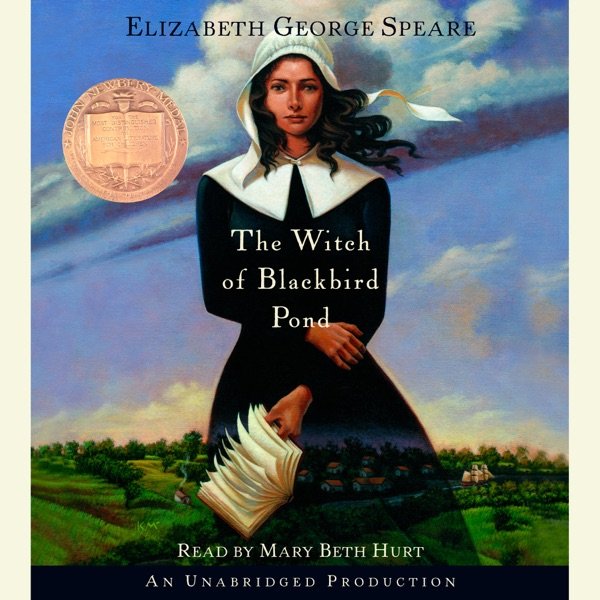
by Elizabeth George Speare
Middle grade · ages 10–14 · grades 5–9 · 780L
A Newbery winner that earns it—Kit's defiance of witch hysteria in 1680s Connecticut teaches courage and independent thought through genuine historical stakes, not didacticism.
by Elizabeth George Speare
Middle grade · ages 10–14 · grades 5–9 · 780L
A Newbery winner that earns it—Kit's defiance of witch hysteria in 1680s Connecticut teaches courage and independent thought through genuine historical stakes, not didacticism.
Stretch them up
by J. K. Rowling
Middle grade · ages 9–12 · grades 4–7 · 880L
The book that redefined children's fiction — richly imagined world, genuine stakes, prose that respects young readers, and a protagonist's journey from isolation to belonging that doesn't feel saccharine.
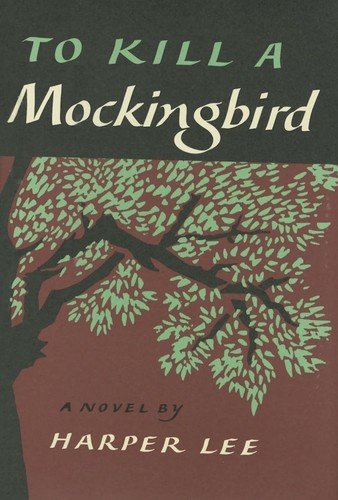
by Harper Lee
Middle grade · ages 10–14 · grades 5–9 · 870L
The most important American novel for this age—not because it's easy, but because Atticus's quiet model of conscience shapes how children think about justice and courage for decades.
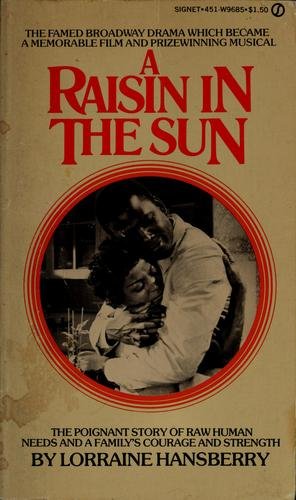
by Lorraine Hansberry
Young adult · ages 14–18 · grades 9–12 · 1020L
The canonical American play about Black family life and the cost of systemic racism—essential reading for teens old enough to hold its complexity and grief, and likely to reshape how they think about class, aspiration, and dignity.
Complementing on theory of mind
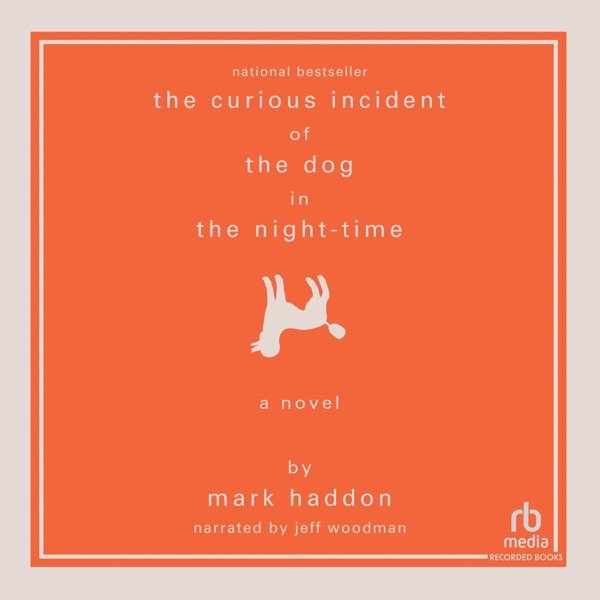
by Mark Haddon
Middle grade · age 14+ · grade 9+ · 730L
A genuinely innovative novel that teaches how autistic minds work from the inside, not through a neurotypical lens — the prose itself becomes the teaching; best approached with a parent ready to discuss family conflict and trust.
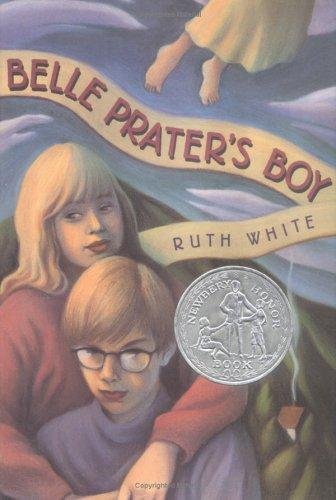
by Ruth White
Middle grade · ages 10–14 · grades 5–9 · 720L
A quiet, unsentimental book about grief and belonging that treats rural life and working-class dignity with genuine respect—the kind of middle grade novel that sticks with you at 35.

by Nancy Farmer
Middle grade · ages 10–14 · grades 5–9 · 810L
A genuinely complex coming-of-age novel that treats cloning and identity as philosophical problems, not gimmicks—Farmer builds a vivid dystopian world without talking down to readers.
We'd skip — for now
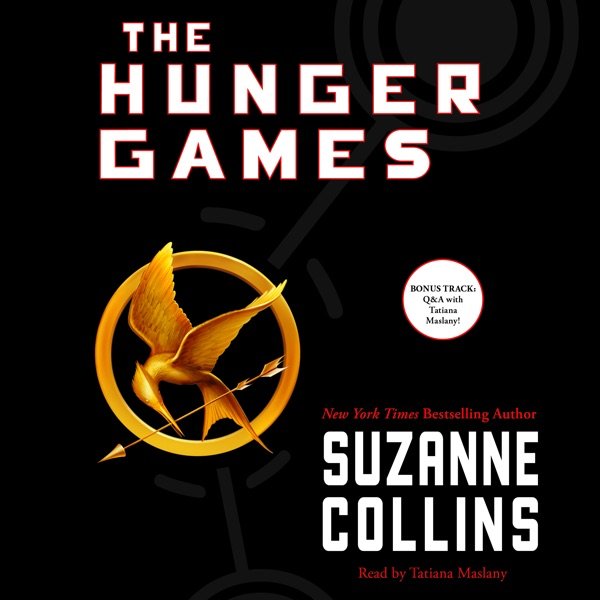
by Suzanne Collins
A step up — ages 13–18 · grades 8–12
Skip it if your child has been traumatized by peer violence or has anxiety around competitive pressure; the central premise is children forced to kill each other, and it's not softened.
