For a reader who just finished
Books like The Curious Incident of the Dog in the Night-Time
after The Curious Incident of the Dog in the Night-Time by Mark Haddon · age 10+
Same style
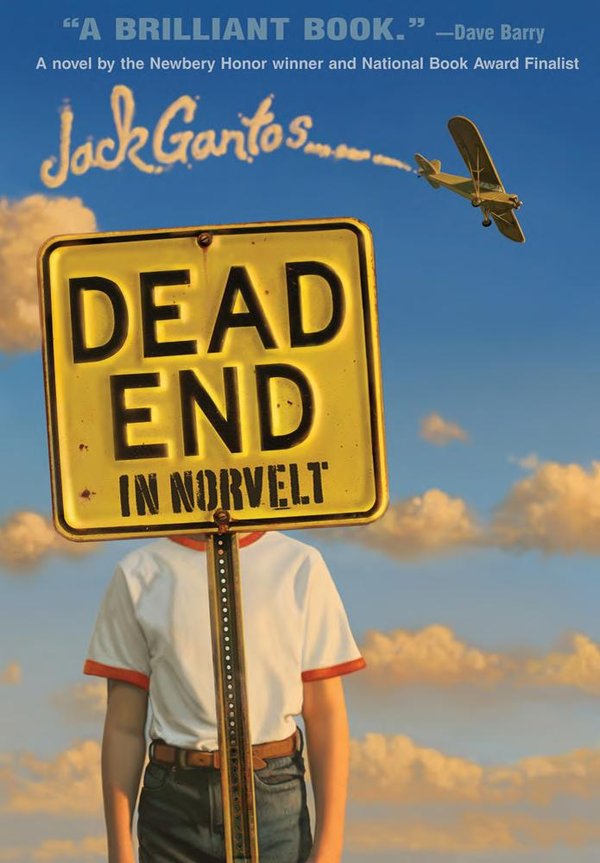
by Jack Gantos
Middle grade · ages 10–14 · grades 5–9 · 780L
A Newbery winner that feels lived-in: Gantos builds a real Pennsylvania town, real household conflict, and real historical weight without sentimentality—kids recognize the specificity and ask questions about their own neighborhoods.
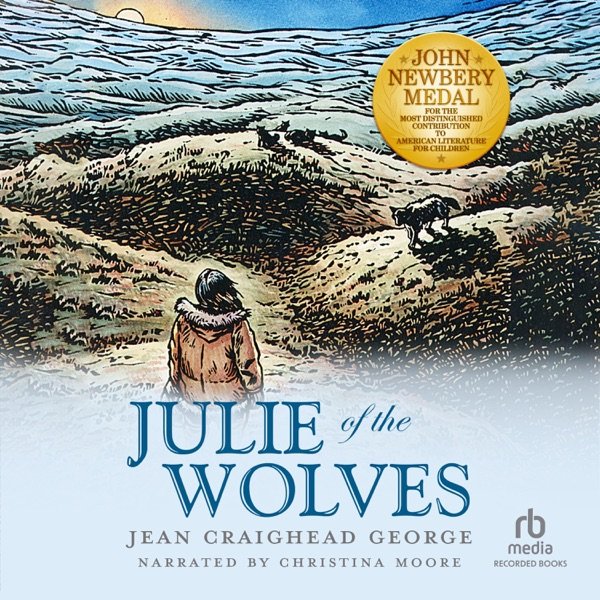
by Jean Craighead George
Middle grade · ages 10–14 · grades 5–9 · 760L
A Newbery-winning masterpiece that hasn't aged a day—Julie's survival story is genuinely gripping, and the quiet exploration of cultural identity and belonging lands without preaching.
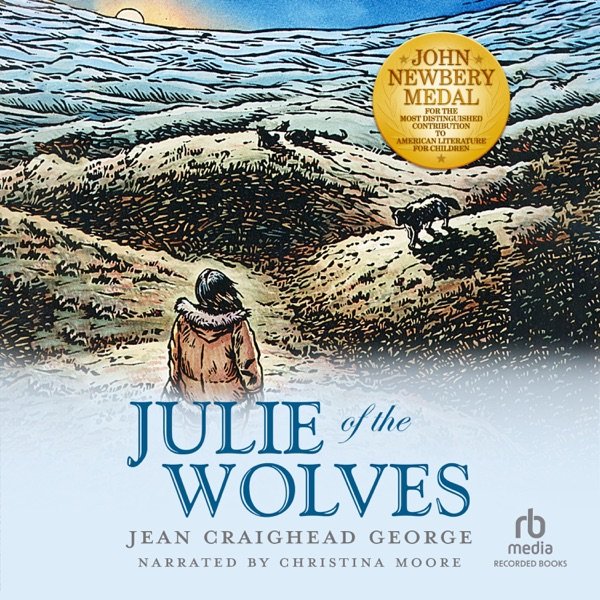
by Jean Craighead George
Middle grade · ages 10–14 · grades 5–9 · 760L
A Newbery-winning masterpiece that hasn't aged a day—Julie's survival story is genuinely gripping, and the quiet exploration of cultural identity and belonging lands without preaching.
Stretch them up
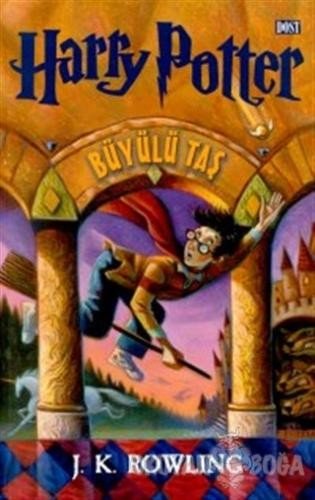
by J. K. Rowling
Middle grade · ages 9–12 · grades 4–7 · 880L
The book that redefined children's fiction — richly imagined world, genuine stakes, prose that respects young readers, and a protagonist's journey from isolation to belonging that doesn't feel saccharine.
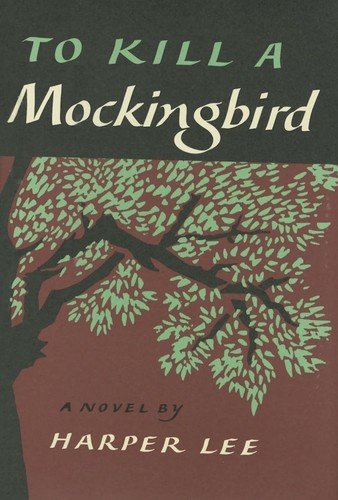
by Harper Lee
Middle grade · ages 10–14 · grades 5–9 · 870L
The most important American novel for this age—not because it's easy, but because Atticus's quiet model of conscience shapes how children think about justice and courage for decades.
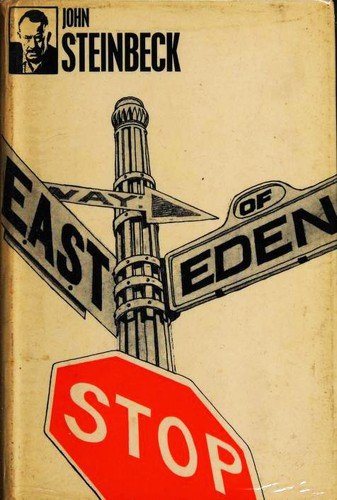
by John Steinbeck
Young adult · 1050L
The most philosophically rigorous American family saga; demands intellectual maturity but rewards it with a genuinely moral argument about choice and human nature that lands harder at 15–16 than at 12.
Complementing on perspective taking
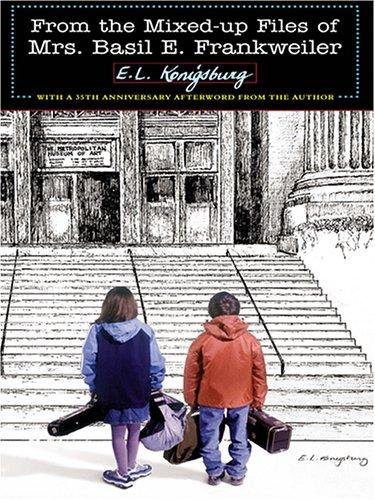
by E. L. Konigsburg
Middle grade · ages 8–12 · grades 3–7 · 790L
A book that trusts kids to be intellectually bored and emotionally complex—Claudia's runaway isn't melodrama, it's a quiet reckoning with identity that lands harder on rereads.
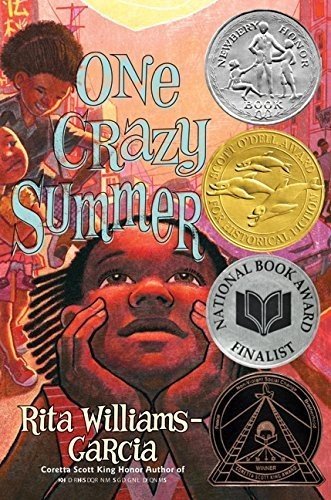
by Rita Williams-Garcia
Middle grade · ages 8–12 · grades 3–7 · 750L
A richly layered book about sisterhood, identity, and reckoning with parental complexity that treats kids' emotional intelligence seriously—the ending doesn't tidy up, which is exactly why it stays with them.
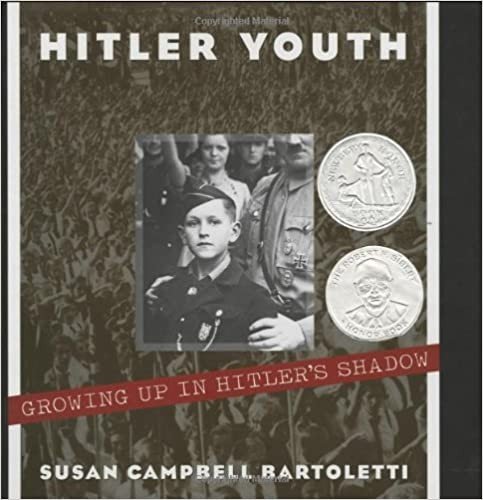
by Susan Campbell Bartoletti
Nonfiction · age 10+ · grade 5+ · 1050L
The most honest, unflinching introduction to how propaganda works on young minds—essential reading for understanding WWII and how democracies stay vigilant.
We'd skip — for now

by Brendan Halpin
A step up — ages 10–14 · grades 5–9
Skip it if your child is averse to medical/hospital scenarios or finds peer rejection narratives distressing.
