For a reader who just finished
Books like Belle Prater's Boy
after Belle Prater's Boy by Ruth White · ages 10–14
Same style
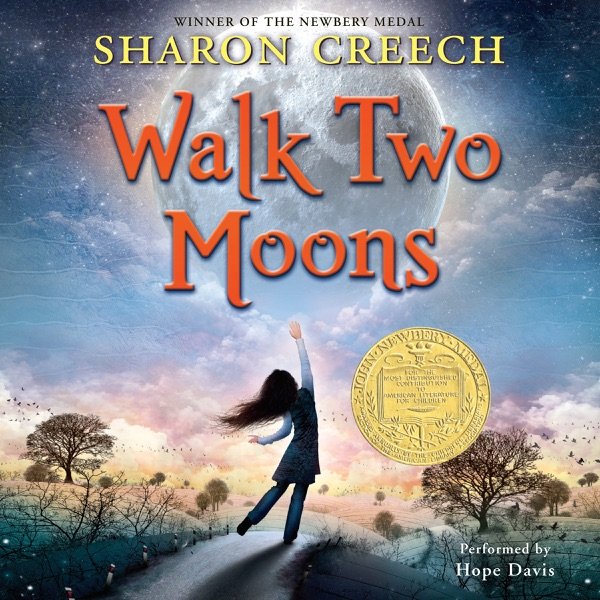
by Sharon Creech
Middle grade · ages 10–14 · grades 5–9 · 730L
A quiet masterpiece about grief and belonging—lyrical without being precious, and the nested story structure rewards active reading in ways that change how kids think about empathy.
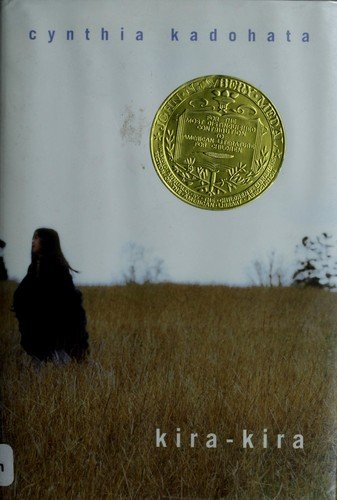
by Cynthia Kadohata
Middle grade · ages 9–12 · grades 4–7 · 760L
A Newbery Medal winner that earns it—luminous, unsentimental, and genuinely about how love and small moments sustain a family facing real hardship and loss.
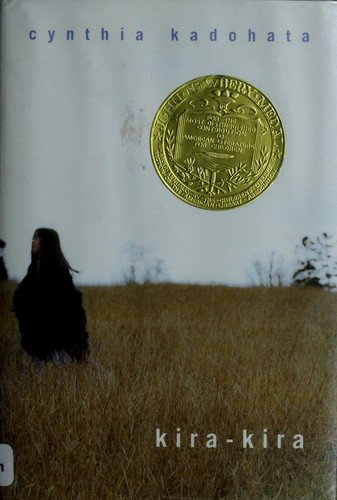
by Cynthia Kadohata
Middle grade · ages 10–14 · grades 5–9 · 730L
A Newbery winner that earns it—poignant without sentimentality, and the only book in this age range that teaches a child what it means to grieve a sibling while honoring their legacy.
Stretch them up
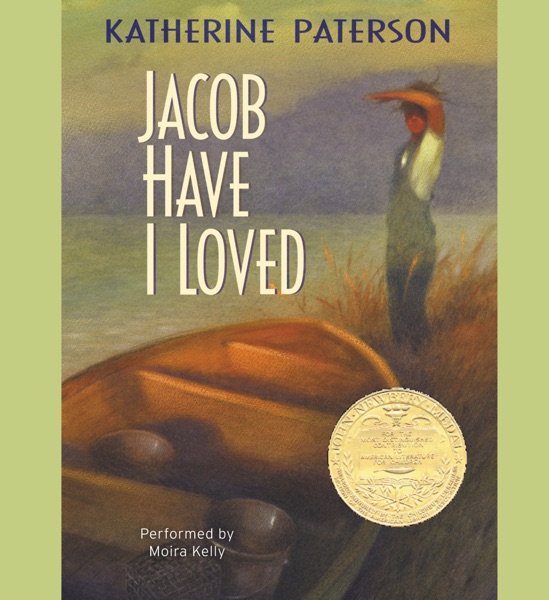
by Katherine Paterson
Middle grade · ages 10–14 · grades 5–9 · 820L
A Newbery winner that actually deserves it—Paterson writes sibling resentment and reconciliation with such honesty that kids recognize their own families, and the 1941 Chesapeake setting carries real historical weight without preaching.
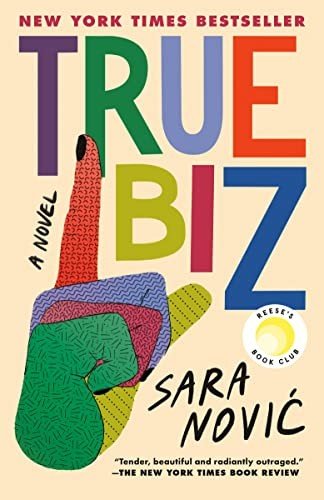
by Sara Nović
Middle grade · ages 10–14 · grades 5–9 · 820L
A genuinely original YA-crossover novel that treats Deaf culture as protagonist, not obstacle—kids learn to think in sign while wrestling with identity questions that feel urgent, not didactic.
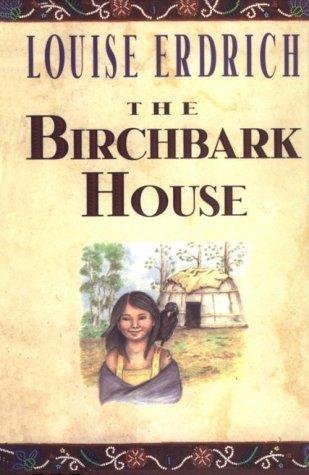
by Louise Erdrich
Middle grade · ages 8–12 · grades 3–7 · 820L
Erdrich's portrait of Omakayas and her family is unsentimental and alive—the smallpox arc is genuinely tragic, the cultural detail is precise, and a child reader walks away understanding Ojibwe life as rich and coherent, not distant or exotic.
Complementing on theory of mind

by Nancy Farmer
Middle grade · ages 10–14 · grades 5–9 · 810L
A genuinely complex coming-of-age novel that treats cloning and identity as philosophical problems, not gimmicks—Farmer builds a vivid dystopian world without talking down to readers.
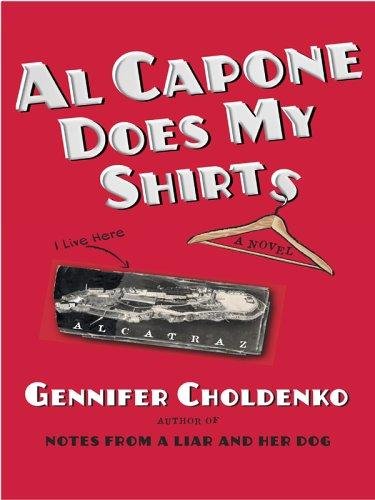
by Gennifer Choldenko
Middle grade · ages 9–12 · grades 4–7 · 760L
A genuinely smart family story that treats autism without sentimentality and lets the historical setting (Alcatraz as a real place, not a gimmick) deepen rather than distract from the core sibling tension.

by Frances Hodgson Burnett
Middle grade · ages 8–12 · grades 3–7 · 820L
A slow-burn masterpiece that rewards patient readers — the prose is lush, the friendship feels earned, and the garden's transformation mirrors the children's inner healing in ways kids remember for decades.
We'd skip — for now
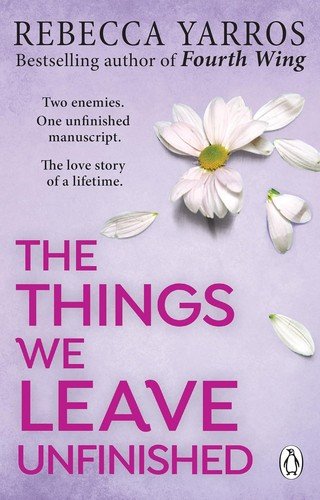
by Rebecca Yarros
A step up — ages 14–18 · grades 9–12
Skip it if your teen finds sustained war themes too heavy, or if depictions of WWII aerial combat and loss-of-life distress them beyond productive sadness.
