For a reader who just finished
Books like Click, Clack, Moo Cows That Type
after Click, Clack, Moo Cows That Type by Doreen Cronin · ages 4–8
Same style
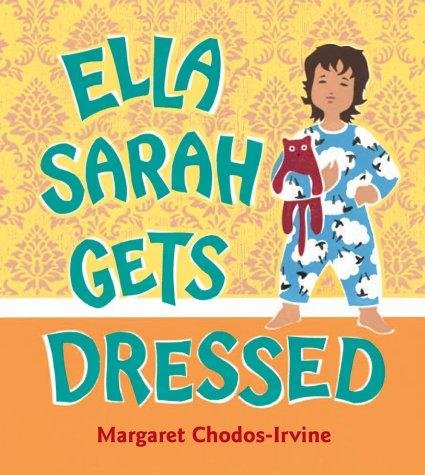
by Margaret Chodos-Irvine
Picture book · ages 3–7 · grades K–2 · 420L
A short, laugh-out-loud celebration of a young kid's right to look ridiculous—Chodos-Irvine's spot-on illustrations make the clashing prints funnier each reread.
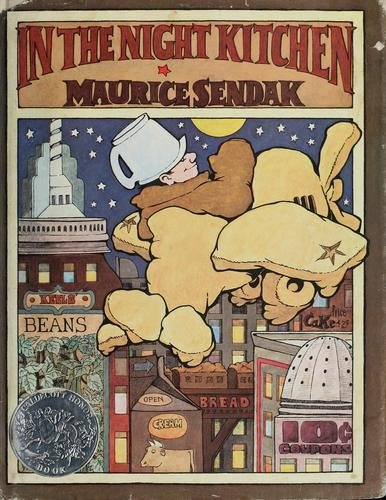
by Maurice Sendak
Picture book · ages 4–8 · grades K–3
Sendak's most joyfully anarchic picture book — the dream logic, the nudity, the jazz-hands energy make it endlessly rereadable and genuinely funny to adults.
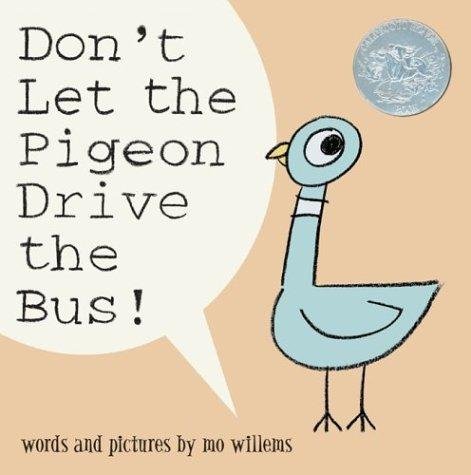
by Mo Willems
Picture book · ages 3–7 · grades K–2
The most brilliant picture-book permission-structure ever written—kids feel powerful saying no, parents get a teachable moment about boundaries without preaching, and it's hilarious every single reread.
Stretch them up
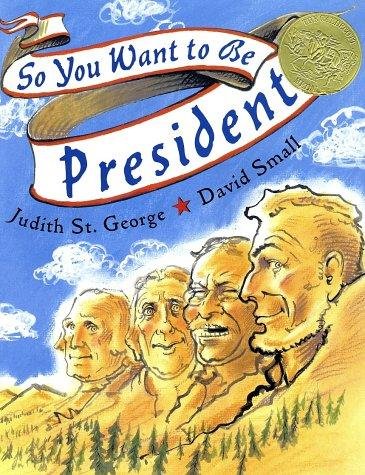
by David Small
Picture book · ages 4–8 · grades K–3 · 620L
A Caldecott winner that makes U.S. history genuinely funny — kids laugh at the absurdity while absorbing real facts about presidents in a format that's pure delight to reread.
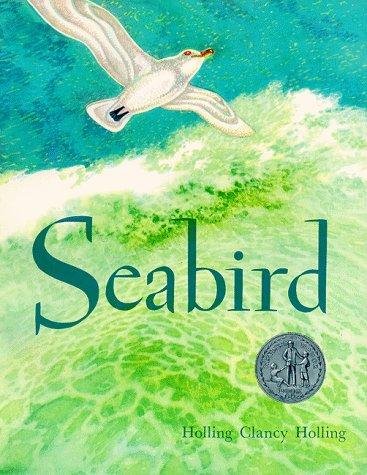
by Holling C. Holling
Picture book · ages 6–10 · grades 1–5 · 620L
A masterpiece of patient observation disguised as a picture book—the illustrations reward close, repeated looking and the text respects a child's intelligence without talking down.
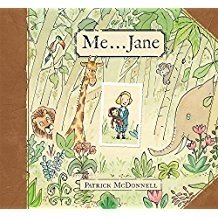
by Patrick McDonnell
Picture book · ages 4–8 · grades K–3 · 620L
McDonnell's watercolor dreaming captures the tender obsession of a girl with animals — this is how most naturalists start, and the book honors that without sentimentality.
Complementing on fairness
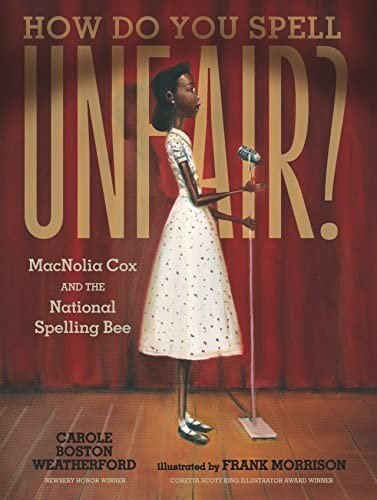
by Carole Boston Weatherford
Picture book · ages 6–9 · grades 1–4 · 620L
A portrait of quiet defiance that teaches kids the language of injustice without preaching; Weatherford's verse and Frank Morrison's luminous illustrations make a hard historical truth both accessible and unforgettable.
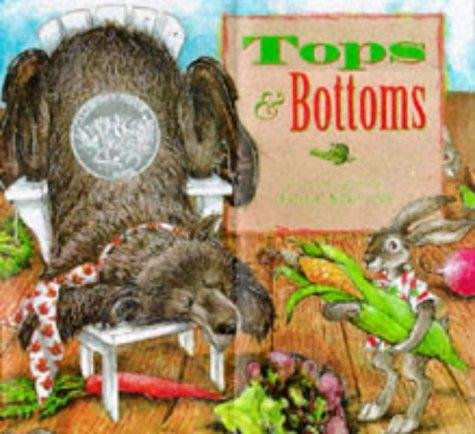
by Janet Stevens
Picture book · ages 4–8 · grades K–3 · 520L
A clever wordplay-driven trickster tale where the joke IS the teaching—kids love the pun, parents appreciate that it models creative problem-solving without being preachy.
We'd skip — for now
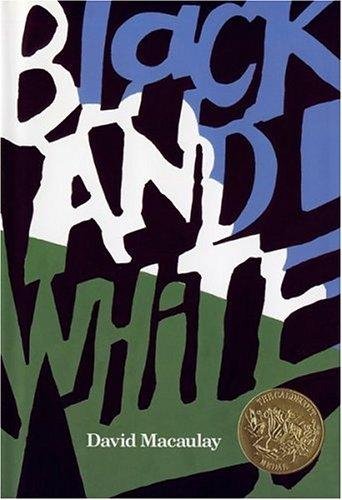
by David Macaulay
A step up — ages 8–12 · grades 3–7
Skip it if your child finds open-ended narratives frustrating or needs explicit narrative closure; the ambiguity is the point.
