For a reader who just finished
Books like How Do You Spell Unfair?: MacNolia Cox and the National Spelling Bee
after How Do You Spell Unfair?: MacNolia Cox and the National Spelling Bee by Carole Boston Weatherford · ages 6–9
Same style
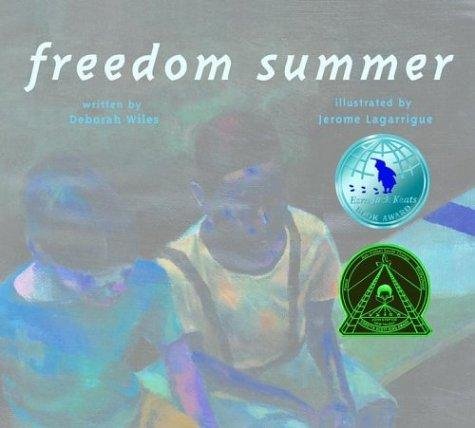
by Deborah Wiles
Picture book · ages 6–10 · grades 1–5 · 620L
Essential historical picture book that refuses to soften the machinery of segregation while centering a child's moral awakening—illustrated in a way that makes systemic racism visible without being traumatizing.
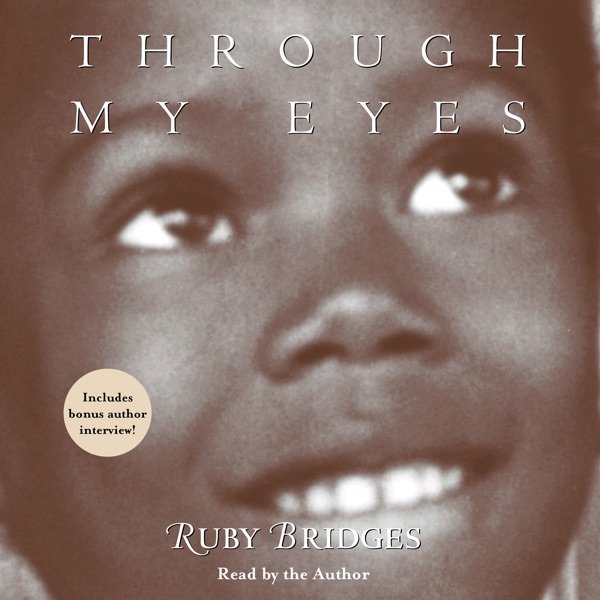
by Ruby Bridges
Picture book · ages 6–10 · grades 1–5 · 620L
The gold standard for introducing desegregation to early readers—Ruby's voice is calm and observant, the pictures are unflinching without being sensationalized, and the book trusts kids to understand why this matters.
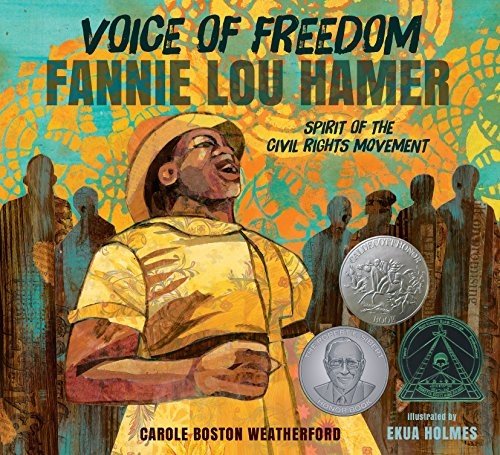
by Ekua Holmes
Picture book · ages 6–9 · grades 1–4 · 620L
A picture book that does not talk down to kids about racism or courage—Holmes's collage art and Hamer's own voice (via quotations) make her resilience vivid and real, not sanitized.
Stretch them up
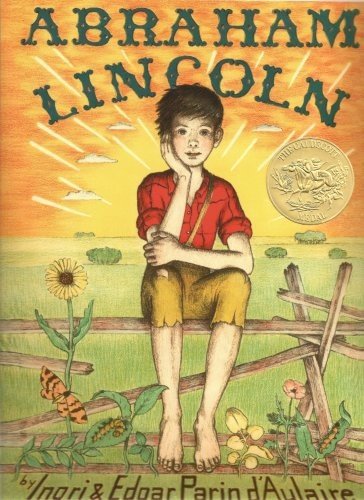
by Ingri and Edgar Parin d'Aulaire
Picture book · ages 6–10 · grades 1–5 · 800L
The d'Aulaires' Lincoln is a masterpiece—sumptuous illustrations and narrative prose that makes a difficult life feel epic and human; kids absorb both the story and a sense of why Lincoln matters.
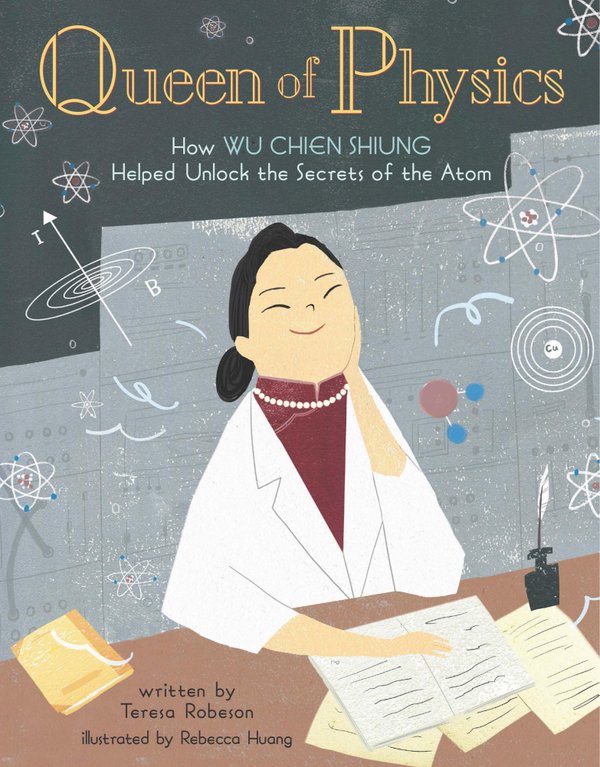
by Teresa Robeson
Picture book · ages 8–12 · grades 3–7 · 820L
A rigorous, visually compelling introduction to a physicist whose breakthrough experiment changed nuclear physics—told without condescension or sentimentality.
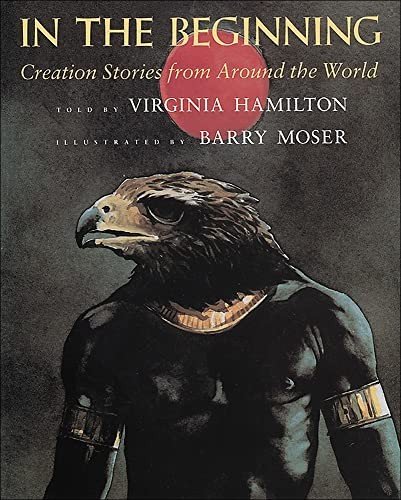
by Virginia Hamilton
Picture book · ages 5–9 · grades K–4 · 820L
Gorgeous, sophisticated, and genuinely restful — Hamilton's prose elevates world mythology without condescension, and Barry Moser's illustrations deepen the dreamlike authority of each story.
Complementing on fairness
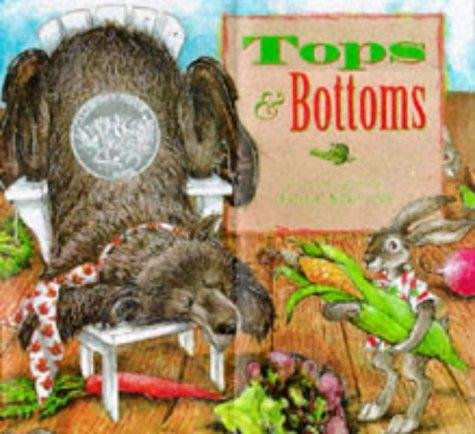
by Janet Stevens
Picture book · ages 4–8 · grades K–3 · 520L
A clever wordplay-driven trickster tale where the joke IS the teaching—kids love the pun, parents appreciate that it models creative problem-solving without being preachy.

by Doreen Cronin
Picture book · ages 4–8 · grades K–3 · 420L
The funniest farm book this age exists — kids will demand rereads, the deadpan animal logic holds up, and Betsy Lewin's expressive illustrations elevate every joke.
We'd skip — for now
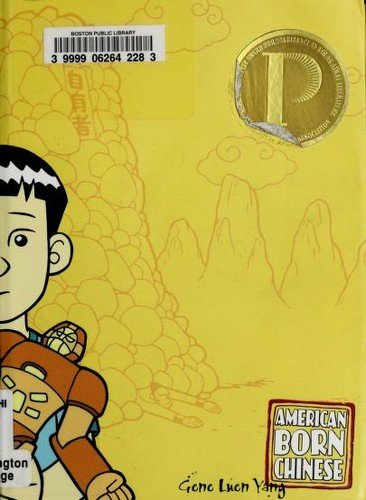
by Gene Luen Yang
A step up — ages 10–14 · grades 5–9
Skip it if your child is actively struggling with peer rejection or internalized shame about their ethnicity; the book is affirming but unflinching about the sting of racism.
