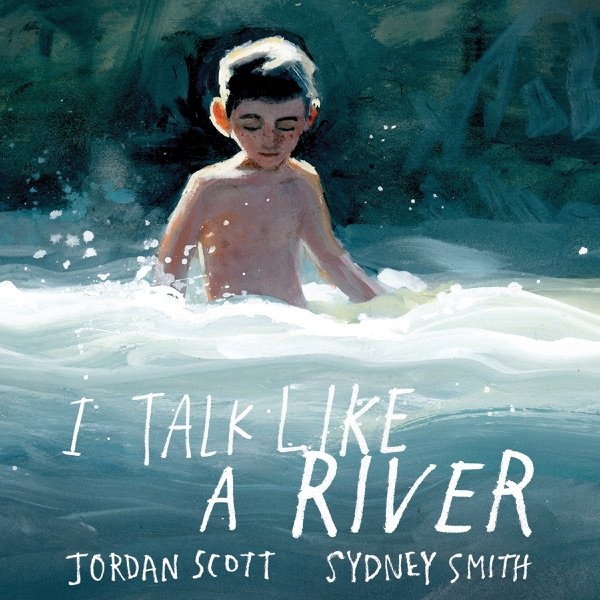
I Talk Like a River
by Young Children
Picture book · ages 4–8 · grades K–3 · 580L
The most honest, unsentimental picture book about stuttering for this age—uses river metaphor to reframe a speech difference as intrinsic rhythm, not something to fix.
For a reader who just finished
after Brown Boy, Brown Boy, Tell Me What You See by Brittany Mbaye · ages 3–7
Picture book · grades K–2 · 450L
A quiet, powerful mirror for Black boys that validates their internal experience without relying on external validation or conflict.
Same style
by Young Children
Picture book · ages 4–8 · grades K–3 · 580L
The most honest, unsentimental picture book about stuttering for this age—uses river metaphor to reframe a speech difference as intrinsic rhythm, not something to fix.
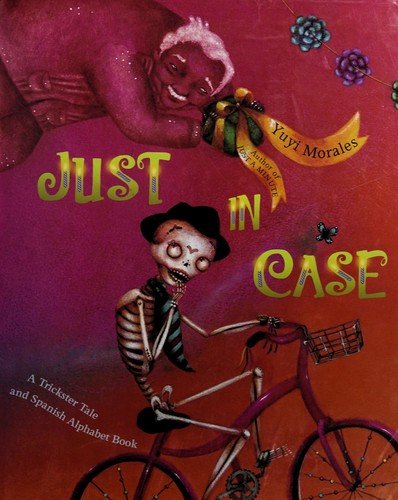
by Yuyi Morales
Picture book · ages 4–8 · grades K–3 · 420L · 2008
A tender, honest picture of childhood anxiety and overpreparedness that validates worry without pathologizing it—Morales's collage art and Carlitos's overstuffed backpack become visual metaphors for learning to let go.
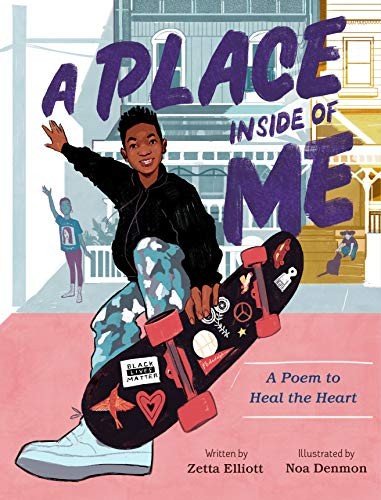
by Noa Denmon
Picture book · ages 4–8 · grades K–3 · 480L
A stunning emotional architecture book — the metaphor of internal rooms for different feelings sticks with kids long after the read, and the illustrations make abstract emotions concrete without sentimentalizing them.
Stretch them up

Picture book · ages 4–8 · grades K–3 · 650L · 1996
A picture book that works at 6 and deepens at 9—Ringgold's quilted illustrations and Cassie's dreaming of flight and ownership will stick with your kid for years, and the 1930s Harlem setting opens conversations about racism, class, and what freedom means.
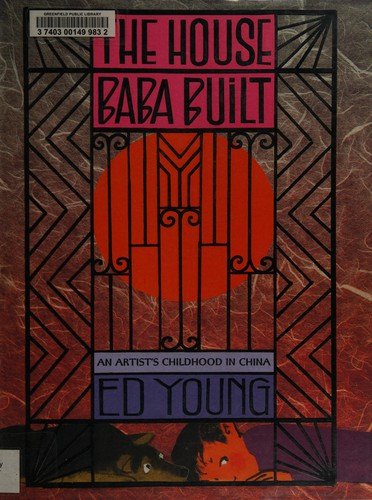
by Ed Young
Picture book · ages 4–8 · grades K–3 · 620L · 2011
A lyrical, elegantly illustrated memoir for young readers that treats childhood displacement and cultural identity with literary depth without condescension—the collage-style art is as much the story as the words.
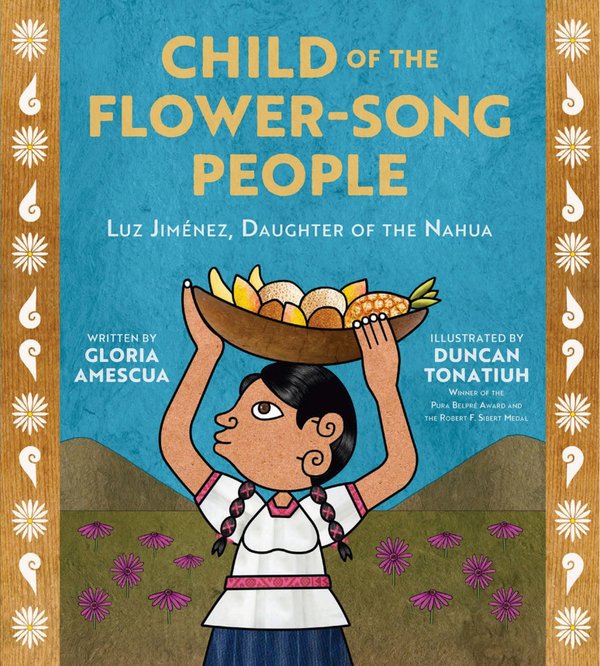
Picture book · ages 5–9 · grades K–4 · 620L · 2021
A radiant, historically grounded picture biography that centers an Indigenous Mexican girl's artistry and cultural transmission—rare, necessary, and illustrated with beauty that matches the text.
Complementing on naming feelings
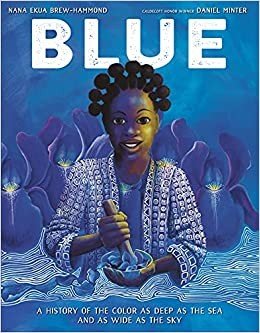
Picture book · ages 4–8 · grades K–3 · 550L · 2022
A lyrical and visually stunning way to teach cultural heritage without it feeling like a lecture; the 'blue' motif is clever enough for older kids but accessible for toddlers.
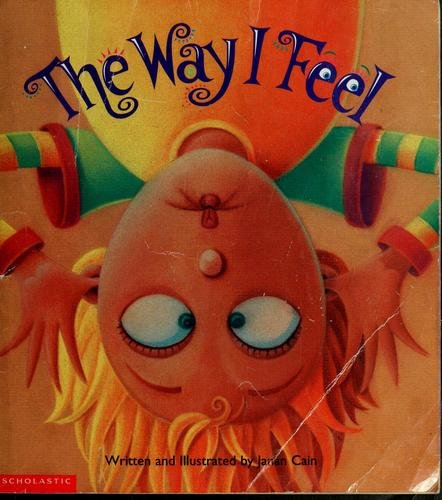
by Janan Cain
Picture book · ages 4–8 · grades K–3 · 300L
The clearest, most actionable emotional-vocabulary reference picture book for young kids—sturdy format, diverse representation, and zero saccharine framing.
Picture book · ages 5–9 · grades K–4 · 620L
A quiet masterpiece—Gilchrist's watercolors and Gilchrist's poetic text collaborate to show a child's interior life as worthy of attention; rereads reveal new layers.
We'd skip — for now
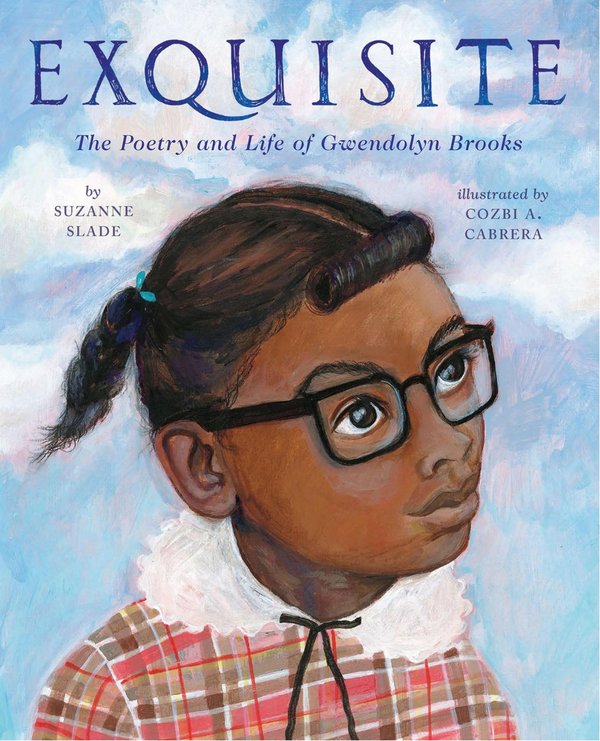
by Cozbi A. Cabrera
A step up — ages 8–12 · grades 3–7
Skip it if your child is uncomfortable with discussions of racial inequality or segregation — the book treats these as real forces Brooks had to navigate, not as background.