For a reader who just finished
Books like Black and White
after Black and White by David Macaulay · ages 8–12
Same style
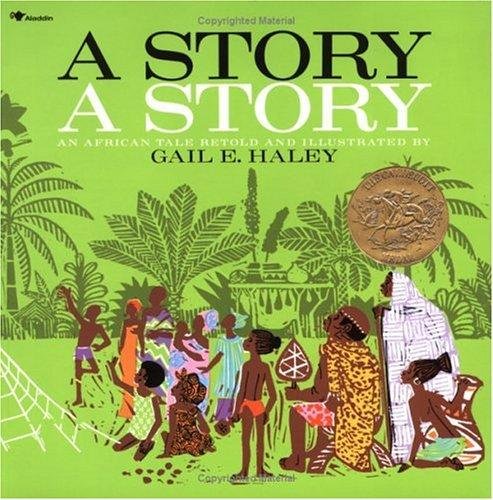
by Gail E. Haley
Picture book · ages 4–8 · grades K–3 · 620L
A Caldecott winner that works as folklore entry point, visual feast, and celebration of cleverness over brute strength—the illustrations anchor the oral tradition on the page without deadening it.
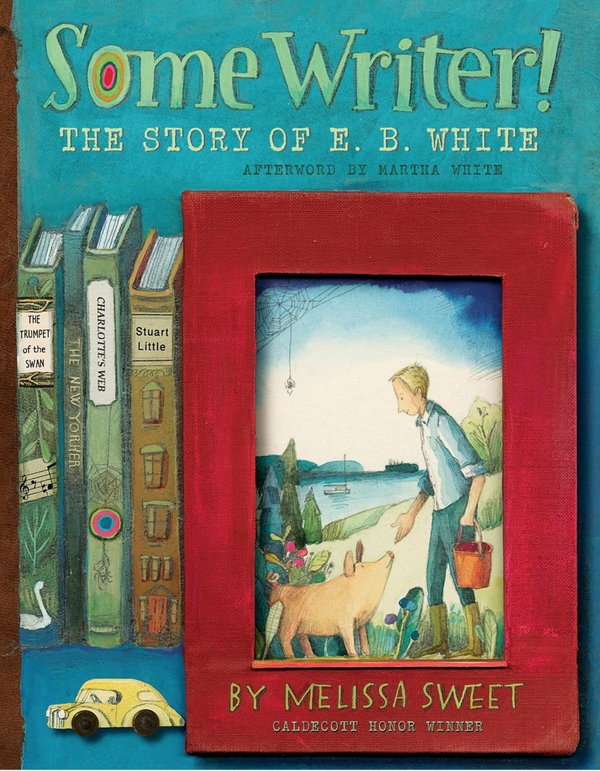
by Melissa Sweet
Picture book · ages 6–9 · grades 1–4 · 620L
Melissa Sweet's collage art and lyrical text make this feel less like a biography lesson and more like an invitation to notice the world the way E.B. White did—the best picture-book biography for this age.
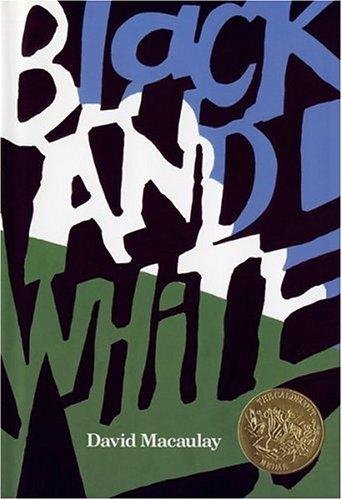
by David Macaulay
Picture book · ages 8–12 · grades 3–7 · 620L
A masterpiece of visual storytelling and structural trickery — kids who crack the puzzle of how the four stories interconnect feel like geniuses, and Macaulay's deadpan illustrations deliver the punchline.
Stretch them up
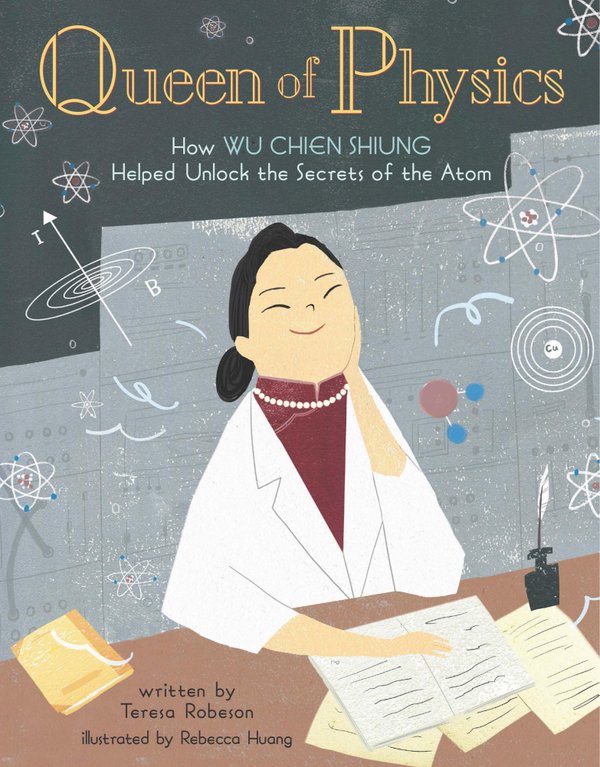
by Teresa Robeson
Picture book · ages 8–12 · grades 3–7 · 820L
A rigorous, visually compelling introduction to a physicist whose breakthrough experiment changed nuclear physics—told without condescension or sentimentality.
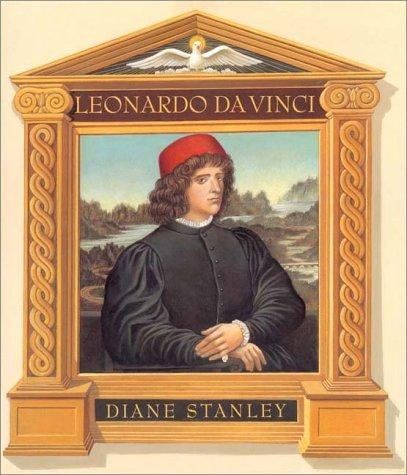
by Diane Stanley
Picture book · ages 8–12 · grades 3–7 · 780L
Stanley's Leonardo is the gold standard for making historical biography vivid and idea-driven for kids—gorgeous illustrations anchor the prose, and it plants the seed that the most interesting minds refuse to stay in one lane.
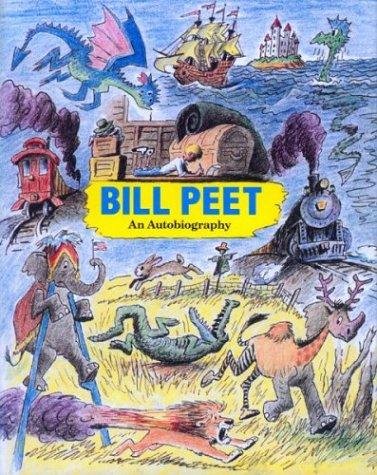
by Bill Peet
Picture book · ages 8–12 · grades 3–7 · 720L
A master illustrator's memoir told in his own voice and pictures—the perfect proof that a weird, art-obsessed kid grows into a life worth living.
Complementing on critical thinking
by David Macaulay
Picture book · ages 8–12 · grades 3–7 · 620L
A masterpiece of visual storytelling and structural trickery — kids who crack the puzzle of how the four stories interconnect feel like geniuses, and Macaulay's deadpan illustrations deliver the punchline.
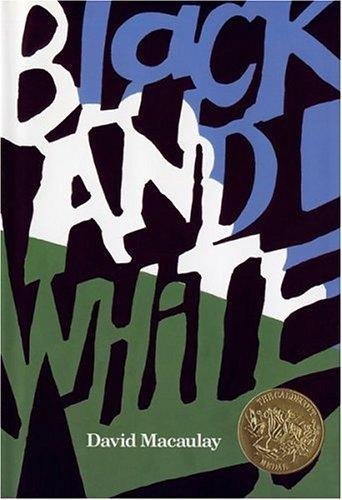
by David Macaulay
Picture book · ages 8–12 · grades 3–7 · 620L
A masterpiece of visual storytelling and structural trickery — kids who crack the puzzle of how the four stories interconnect feel like geniuses, and Macaulay's deadpan illustrations deliver the punchline.
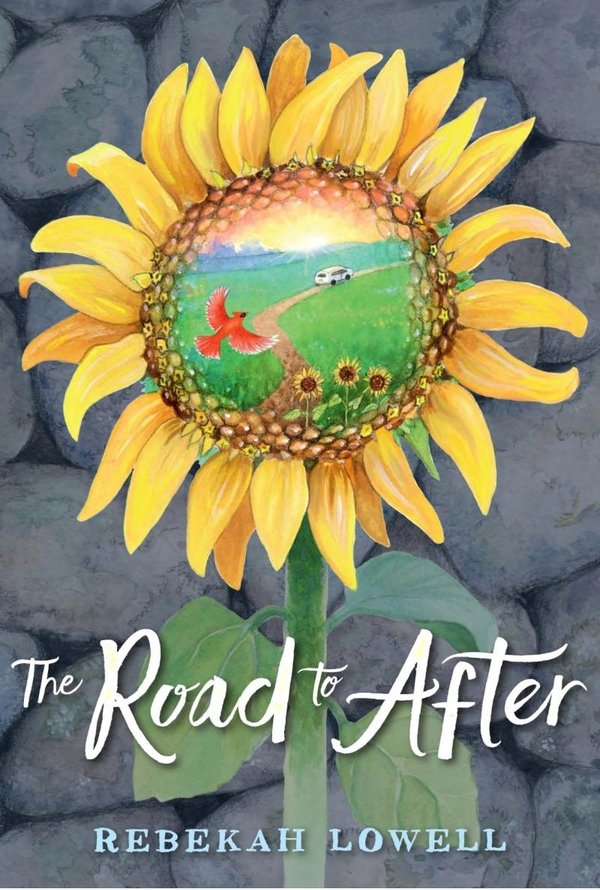
by Duane Armitage
Picture book · ages 4–8 · grades K–3 · 620L
A genuinely unusual picture book that takes philosophy seriously without being preachy — Socratic method translated for 6-year-olds, which is harder than it sounds and mostly works.
We'd skip — for now
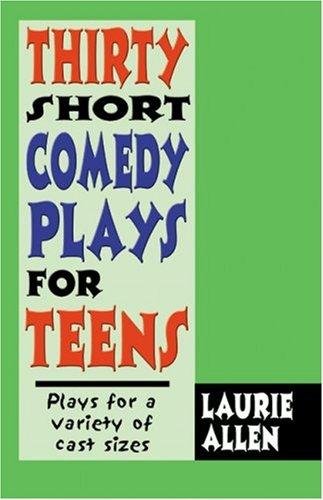
by Laurie Allen
A step up — ages 13–18 · grades 8–12
Skip it if your teen has no interest in performance or drama club; this is a tool, not a read-for-pleasure book.
