
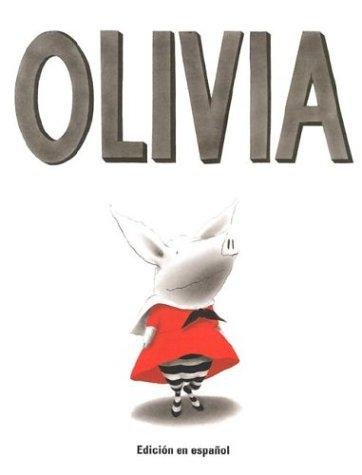
Olivia
by Ian Falconer
Picture book · ages 3–7 · grades K–2 · 300L
A character study disguised as a picture book: Olivia's theatrical self-absorption is unapologetic, hilarious, and oddly affirming for kids who aren't the quiet type.
For a reader who just finished
after Alphabatics by Suse MacDonald · ages 2–5
Same style
by Ian Falconer
Picture book · ages 3–7 · grades K–2 · 300L
A character study disguised as a picture book: Olivia's theatrical self-absorption is unapologetic, hilarious, and oddly affirming for kids who aren't the quiet type.
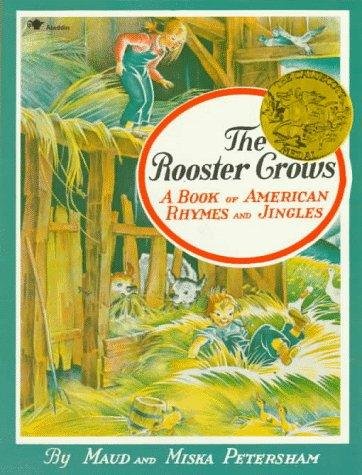
by Maud and Miska Petersham
Picture book · ages 3–7 · grades K–2
A 1945 Caldecott winner that holds up — pure onomatopoeia and regional American animal sounds, illustrated with warmth; kids love the repetition and the Petershams' art rewards close looking.
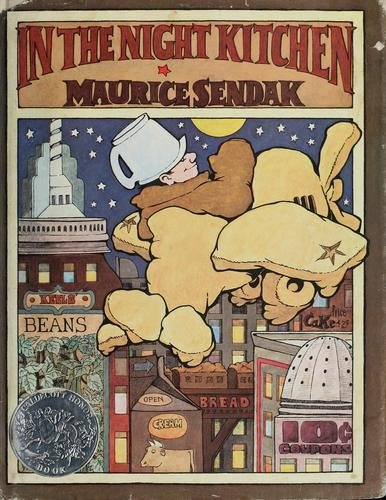
by Maurice Sendak
Picture book · ages 4–8 · grades K–3
Sendak's most joyfully anarchic picture book — the dream logic, the nudity, the jazz-hands energy make it endlessly rereadable and genuinely funny to adults.
Complementing on language play
by Maud and Miska Petersham
Picture book · ages 3–7 · grades K–2
A 1945 Caldecott winner that holds up — pure onomatopoeia and regional American animal sounds, illustrated with warmth; kids love the repetition and the Petershams' art rewards close looking.
by Francisco X. Alarcón
Picture book · ages 4–8 · grades K–3 · 520L
A bilingual poetry gem that makes Spanish sound joyful and alive — the wordplay lands for kids who don't yet read fluently, and parents who speak Spanish get a beloved author back.
by Francisco X. Alarcón
Picture book · ages 4–8 · grades K–3 · 520L
A bilingual poetry gem that makes Spanish sound joyful and alive — the wordplay lands for kids who don't yet read fluently, and parents who speak Spanish get a beloved author back.
We'd skip — for now
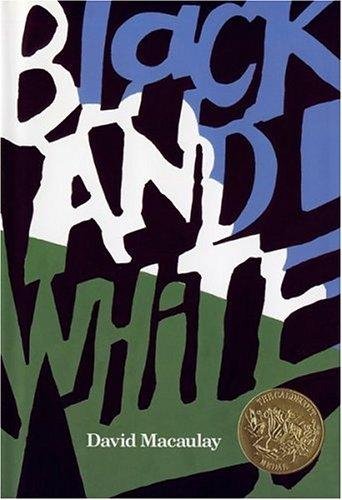
by David Macaulay
A step up — ages 8–12 · grades 3–7
Skip it if your child finds open-ended narratives frustrating or needs explicit narrative closure; the ambiguity is the point.