For a reader who just finished
Books like Big Ideas for Little Philosophers: Truth with Socrates
after Big Ideas for Little Philosophers: Truth with Socrates by Duane Armitage · ages 4–8
Same style
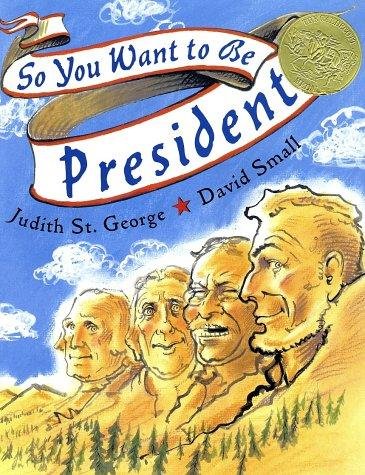
by David Small
Picture book · ages 4–8 · grades K–3 · 620L
A Caldecott winner that makes U.S. history genuinely funny — kids laugh at the absurdity while absorbing real facts about presidents in a format that's pure delight to reread.
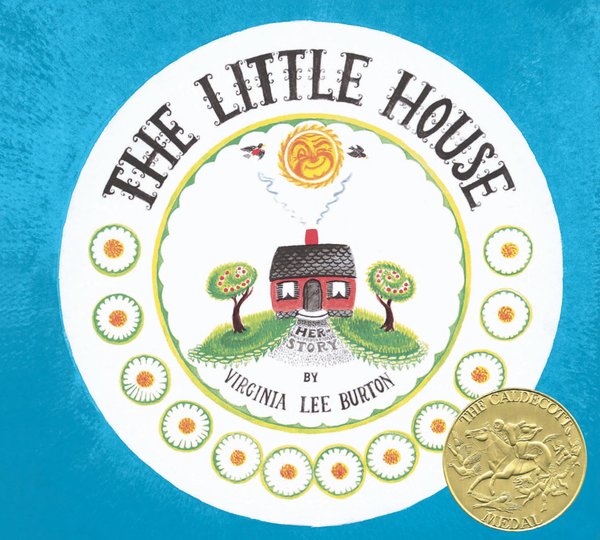
by Virginia Lee Burton
Picture book · ages 4–8 · grades K–3 · 550L
A 1942 Caldecott winner that still teaches environmental awareness and historical perspective without sentimentality—the illustrations do nearly all the storytelling work, making it perfect for nonverbal reflection with young kids.
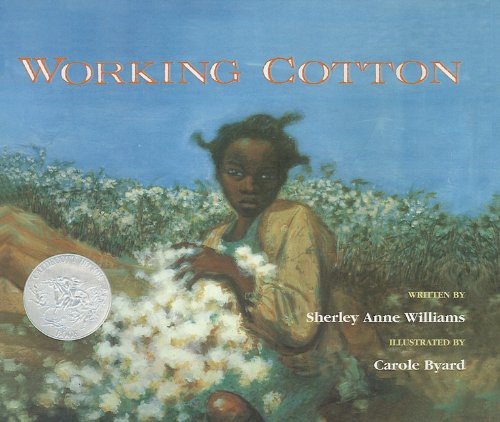
by Carole Byard
Picture book · ages 6–10 · grades 1–5 · 620L
Unflinching, lyrical, and told in the protagonist's own voice — this is the rare picture book that doesn't sentimentalize poverty but doesn't rob children of it either, and Carole Byard's collage art is extraordinary.
Stretch them up
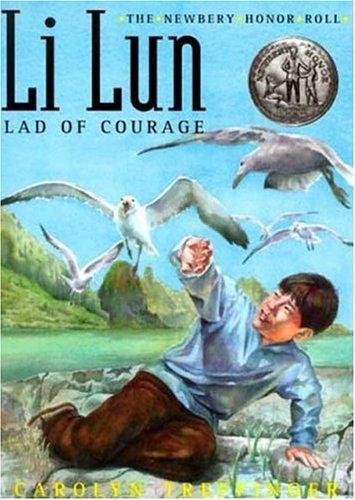
by Carolyn Treffinger
Picture book · ages 5–8 · grades K–3 · 720L
A quiet, genuinely moving intro to immigrant experience and cultural pride—rare among mid-century children's books for its emotional honesty and Cantonese language weaving.
by Melissa Sweet
Picture book · ages 5–9 · grades K–4 · 720L
A genuinely smart picture book about how language works and why organizing ideas matters — Melissa Sweet's collage-style illustrations make Roget's obsession visible and contagious.
Complementing on truth
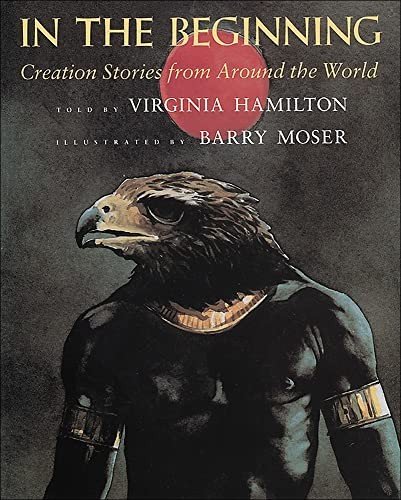
by Virginia Hamilton
Picture book · ages 5–9 · grades K–4 · 820L
Gorgeous, sophisticated, and genuinely restful — Hamilton's prose elevates world mythology without condescension, and Barry Moser's illustrations deepen the dreamlike authority of each story.
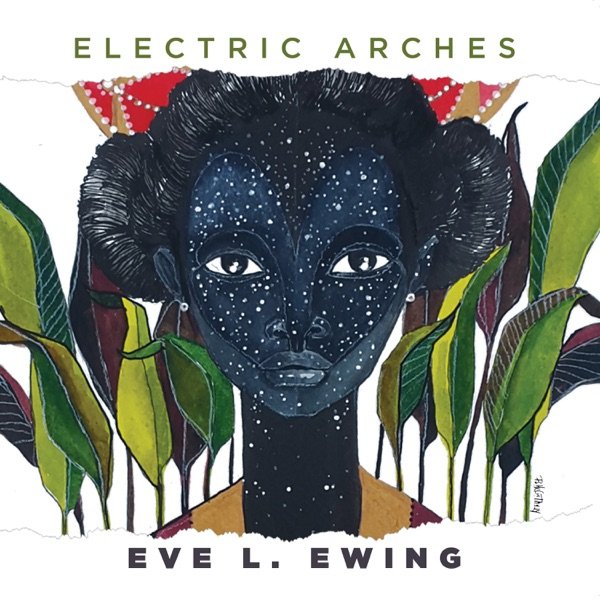
by Eve Ewing
Verse novel
A collection for young poets and teenagers grappling with race, place, and belonging; dense and unflinching about Chicago's history of segregation, gentrification, and resistance—not a gateway poetry book, but a necessary one.
by Ben Sherwood
Nonfiction · 1050L
A clever, unsettling adult-crossover essay that teaches skepticism through a true story of a man who ate metal—ideal for older kids beginning to question media and narrative authority.
We'd skip — for now
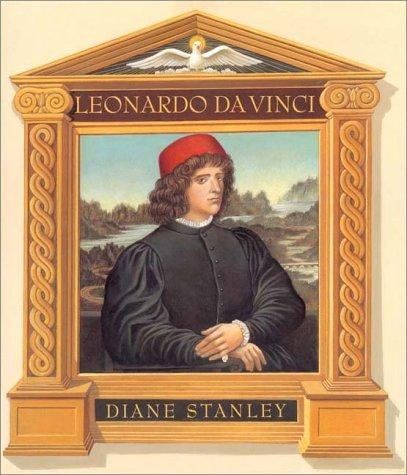
by Diane Stanley
A step up — ages 8–12 · grades 3–7
Skip it if your child finds period detail or Renaissance history aesthetically boring—the book assumes some intrigue in art and old Italy.
