
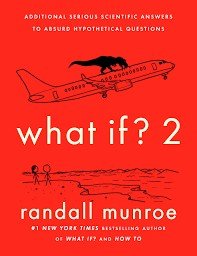
What If? 2
by Randall Munroe
Nonfiction · 1050L
A legitimately smart book disguised as humor — kids discover that rigorous thinking is funnier than jokes, and accidentally develop comfort with math and physics.
For a reader who just finished
after How to Lie with Statistics by Darrell Huff
Same style
by Randall Munroe
Nonfiction · 1050L
A legitimately smart book disguised as humor — kids discover that rigorous thinking is funnier than jokes, and accidentally develop comfort with math and physics.
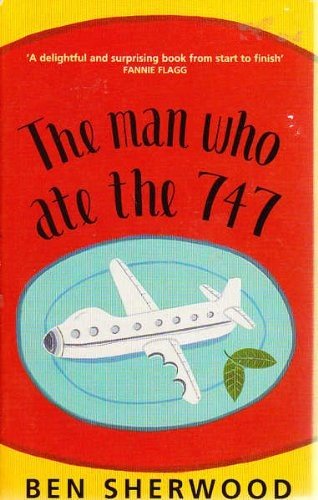
by Ben Sherwood
Nonfiction · 1050L
A clever, unsettling adult-crossover essay that teaches skepticism through a true story of a man who ate metal—ideal for older kids beginning to question media and narrative authority.
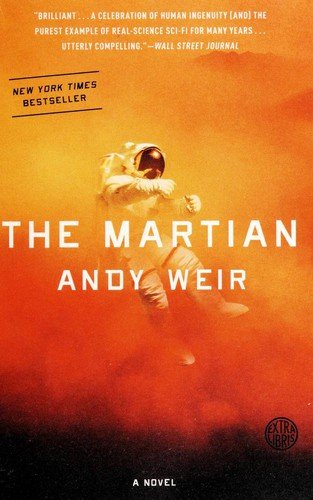
by Andy Weir
Nonfiction · 1050L
Genuinely gripping survival narrative that treats science and engineering as heroic; the log format makes failure and iteration transparent, not hidden. Profanity and some mature situational humor mean younger readers need maturity, not age alone.
Complementing on critical thinking
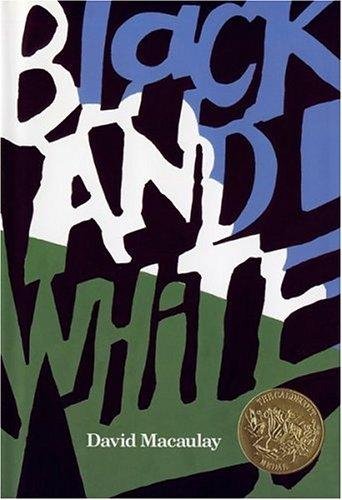
by David Macaulay
Picture book · ages 8–12 · grades 3–7 · 620L
A masterpiece of visual storytelling and structural trickery — kids who crack the puzzle of how the four stories interconnect feel like geniuses, and Macaulay's deadpan illustrations deliver the punchline.
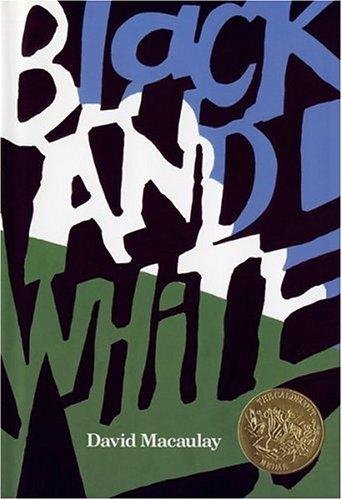
by David Macaulay
Picture book · ages 8–12 · grades 3–7 · 620L
A masterpiece of visual storytelling and structural trickery — kids who crack the puzzle of how the four stories interconnect feel like geniuses, and Macaulay's deadpan illustrations deliver the punchline.
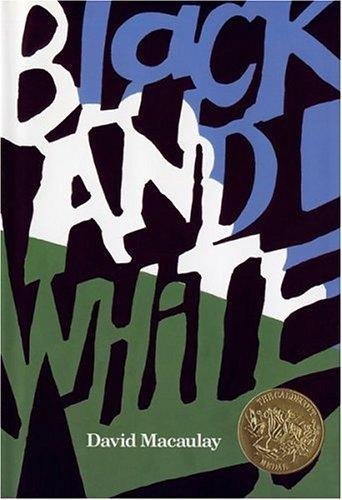
by David Macaulay
Picture book · ages 8–12 · grades 3–7 · 620L
A masterpiece of visual storytelling and structural trickery — kids who crack the puzzle of how the four stories interconnect feel like geniuses, and Macaulay's deadpan illustrations deliver the punchline.