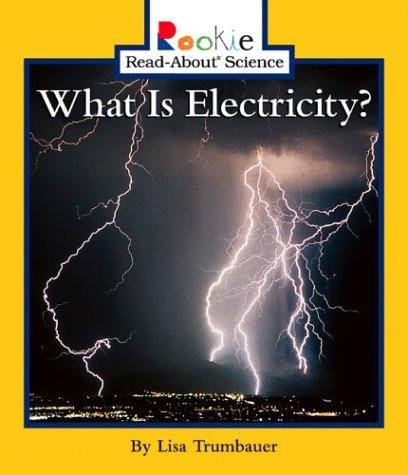
What Is Electricity?
Nonfiction · ages 4–8 · grades K–3 · 420L · 2004
A straightforward, illustration-led introduction to how electricity powers daily life—exactly the kind of early science book that answers "why" without overwhelming.
For a reader who just finished
after Baseball and Softball by Brendan Flynn · ages 6–9
Nonfiction · grades 1–4 · 450L
A solid, no-nonsense intro to the rules and history of America's pastimes for kids who want to know why a bunt is legal.
Same style
Nonfiction · ages 4–8 · grades K–3 · 420L · 2004
A straightforward, illustration-led introduction to how electricity powers daily life—exactly the kind of early science book that answers "why" without overwhelming.
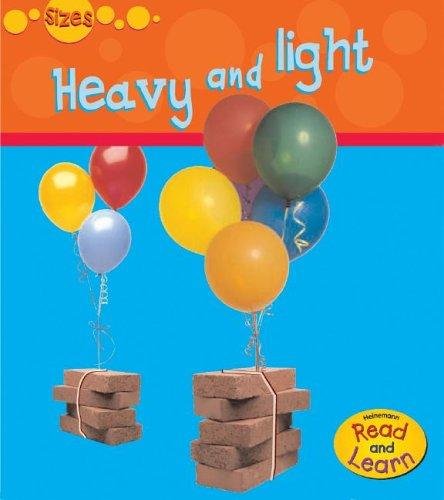
by Diane Nieker
Nonfiction · ages 4–7 · grades K–2 · 400L · 2005
A straightforward, illustration-driven intro to weight and mass that lets kids test predictions with real objects — exactly what early science should do.

by America's Test Kitchen Kids
Nonfiction · ages 8–12 · grades 3–7 · 2018
A genuinely useful, kid-friendly cookbook from a trusted source — recipes actually work, instructions are clear without condescension, and kids feel like real cooks, not craft participants.
Complementing on observation evidence
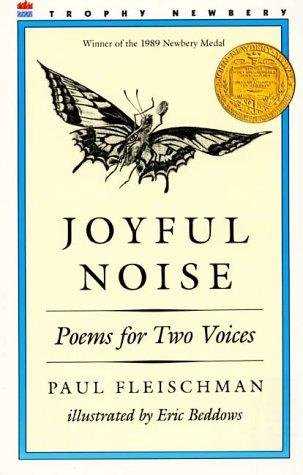
Verse novel · ages 8–12 · grades 3–7 · 620L · 1988
A Newbery Medal masterpiece that teaches kids how to listen to nature through the architecture of two-voice poetry — kids discover they can read these aloud *right now* with a friend and it immediately sounds like music.
by Leo Politi
Picture book · ages 4–8 · grades K–3 · 620L · 1999
A 1946 Newbery winner that holds up: lyrical, culturally grounded, and teaches patient observation without preaching—the swallows are a genuine draw, not a metaphor.
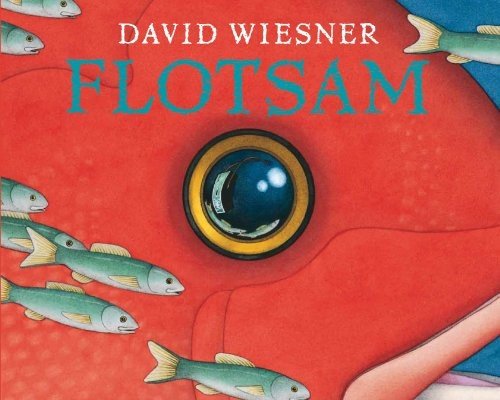
Picture book · ages 4–8 · grades K–3 · 2001
A wordless masterpiece that teaches observation and sparks imagination without a single sentence—kids stare at the panels, construct their own theories, and beg to flip through it again.
We'd skip — for now
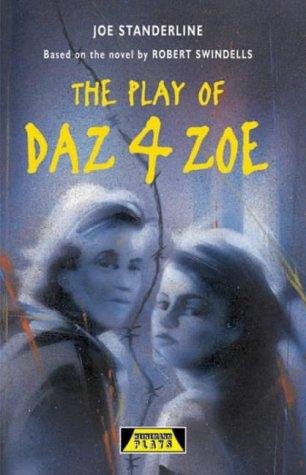
by Joe Standerline
A step up — ages 10–14 · grades 5–9
Skip it if you need a standalone read-aloud; this is a script written for performance, with minimal stage directions and dialogue-heavy scaffolding designed for ensemble work.