For a reader who just finished
Books like What Is Electricity?
after What Is Electricity? by Lisa Trumbauer · ages 4–8
Same style
no coverby Leo and Diane Dillon
Picture book · ages 5–9 · grades K–4 · 450L
A Caldecott Medal masterpiece — the Dillons' illustrations are so gorgeous that kids return to this book for years, and each entry teaches something real about a different people rather than flattening 'Africa' into a monolith.
by Leo and Diane Dillon
Picture book · ages 5–9 · grades K–4 · 450L
A Caldecott Medal masterpiece — the Dillons' illustrations are so gorgeous that kids return to this book for years, and each entry teaches something real about a different people rather than flattening 'Africa' into a monolith.
by Leo and Diane Dillon
Picture book · ages 5–9 · grades K–4 · 450L
A Caldecott Medal masterpiece — the Dillons' illustrations are so gorgeous that kids return to this book for years, and each entry teaches something real about a different people rather than flattening 'Africa' into a monolith.
Complementing on scientific method
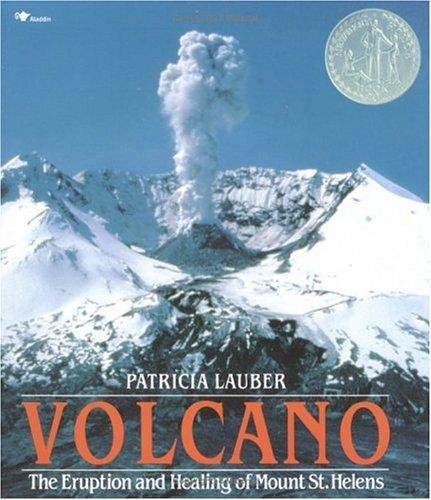
by Patricia Lauber
Nonfiction · ages 6–10 · grades 1–5 · 760L
Stunning photographic documentation of a real natural disaster and its aftermath—kids grasp cause-and-effect at landscape scale, and the healing narrative is genuinely hopeful without being saccharine.
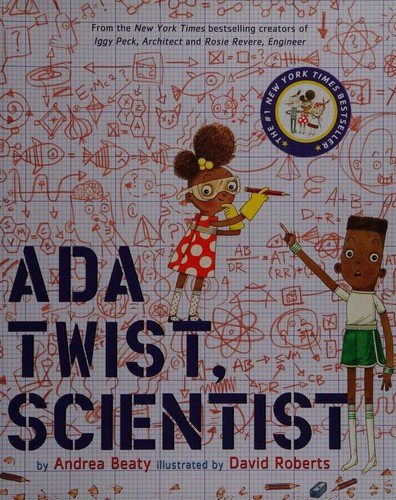
by Andrea Beaty
Picture book · ages 4–8 · grades K–3 · 620L
The best entry point to experimental thinking for this age—Ada's smell mystery is genuinely absorbing, and Beaty's rhyme scheme carries reluctant readers without condescension.
by Carl Sagan
Nonfiction
A 1980 classic that still holds — Sagan's measured wonder and clarity about the scale of the universe can genuinely shift how a curious 10+ kid sees their place in it.
We'd skip — for now
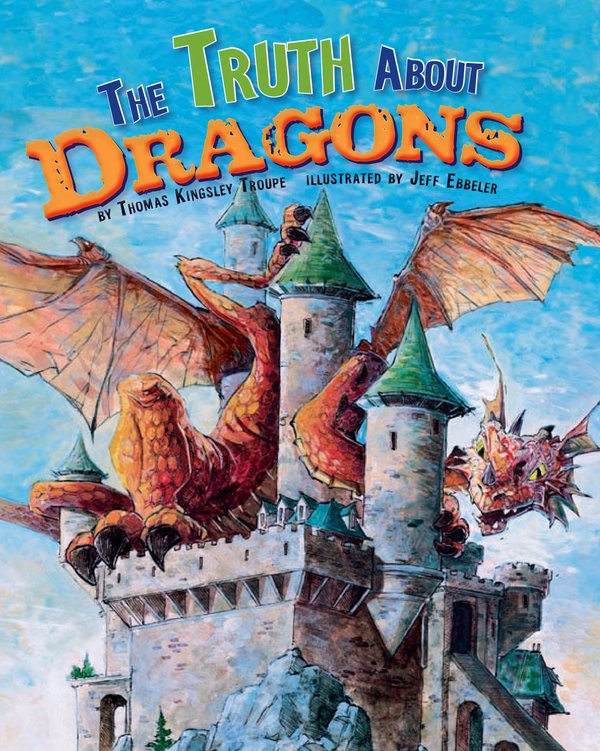
by Thomas Kingsley Troupe
A step up — ages 8–12 · grades 3–7
Skip it if your child expects fantasy dragons rather than a grounded investigation of historical accounts and cultural explanations.
