For a reader who just finished
Books like THE COMPLETE COOKBOOK FOR YOUNG CHEFS
after THE COMPLETE COOKBOOK FOR YOUNG CHEFS by America's Test Kitchen Kids · ages 8–12
Same style
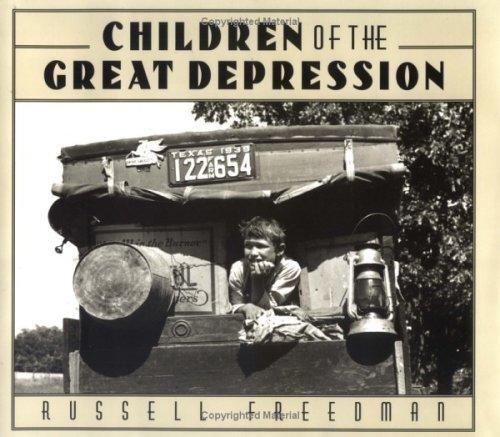
by Russell Freedman
Nonfiction · ages 10–14 · grades 5–9 · 800L
Freedman's photographs and firsthand accounts make economic hardship visceral without trauma—kids understand scarcity and resilience through real children's voices, not sentiment.
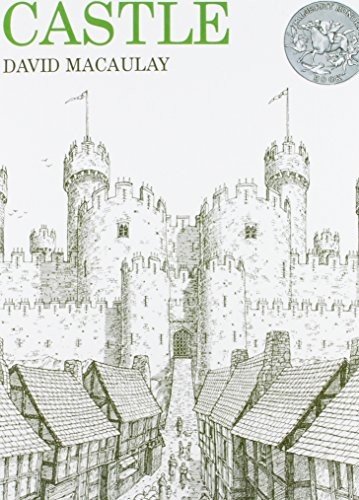
by David Macaulay
Nonfiction · ages 8–12 · grades 3–7 · 720L
Macaulay's masterpiece — architectural history made visceral through illustration and narrative; kids who engage deeply will ask real questions about how things are built.

by David Macaulay
Nonfiction · ages 8–12 · grades 3–7 · 720L
The gold standard for teaching kids that buildings are solved problems—Macaulay's pen drawings are so clear that 8-year-olds grasp why cathedrals are built the way they are, and curious kids will return to it for years.
Complementing on problem solving
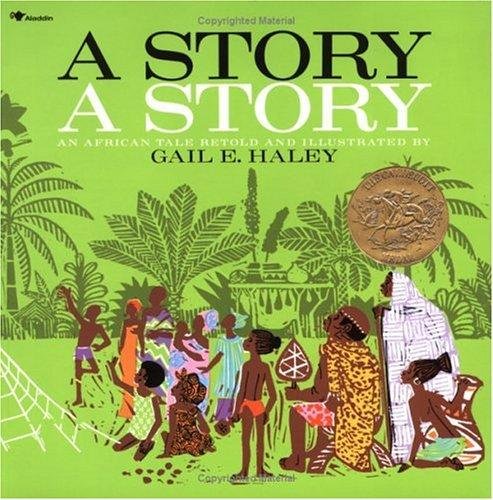
by Gail E. Haley
Picture book · ages 4–8 · grades K–3 · 620L
A Caldecott winner that works as folklore entry point, visual feast, and celebration of cleverness over brute strength—the illustrations anchor the oral tradition on the page without deadening it.
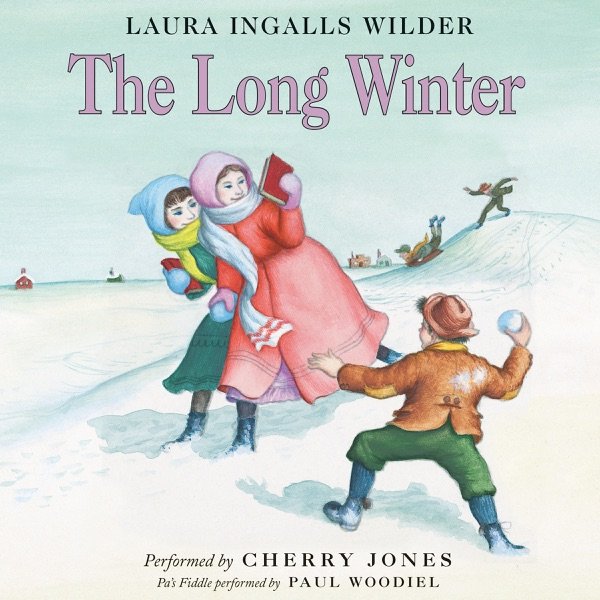
by Laura Ingalls Wilder
Middle grade · ages 8–12 · grades 3–7 · 740L
The most gripping book in the series—a taut survival narrative that doesn't sentimentalize hardship, and kids emerge understanding both pioneer resourcefulness and genuine historical vulnerability.
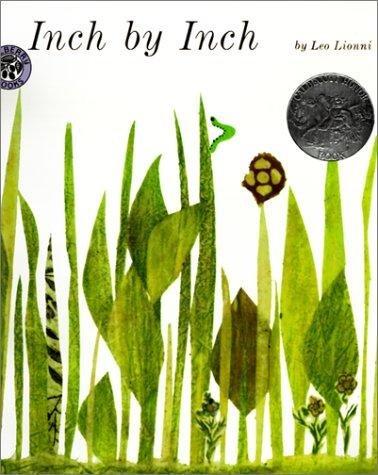
by Leo Lionni
Picture book · ages 4–8 · grades K–3 · 320L
Lionni's masterpiece: a deceptively simple story about measuring that plants the seeds of mathematical thinking and lateral problem-solving while the collage art stays mesmerizing on every reread.
We'd skip — for now
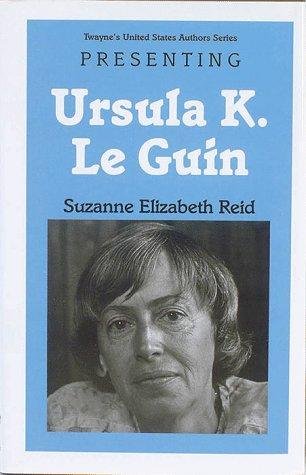
by Suzanne Elizabeth Reid
A step up — ages 12–18 · grades 7–12
Skip it if your child hasn't read any Le Guin yet; this works best as a companion to *The Left Hand of Darkness* or *A Wizard of Earthsea*.
