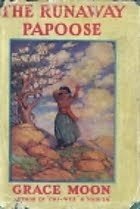
Runaway Papoose
by Grace Moon
Picture book · ages 4–8 · grades K–3 · 350L · 1938
A gentle 1938 picture book with dated but charming illustrations; the papoose's adventure has warmth but limited emotional depth by modern standards.
For a reader who just finished
after Zebra at the Zoo by Patricia Reilly Giff · ages 4–8
Picture book · grades K–3 · 350L
A gentle, low-stakes introduction to zoo animals that works well for read-alouds but lacks the narrative drive of more dynamic picture books.
Same style
by Grace Moon
Picture book · ages 4–8 · grades K–3 · 350L · 1938
A gentle 1938 picture book with dated but charming illustrations; the papoose's adventure has warmth but limited emotional depth by modern standards.
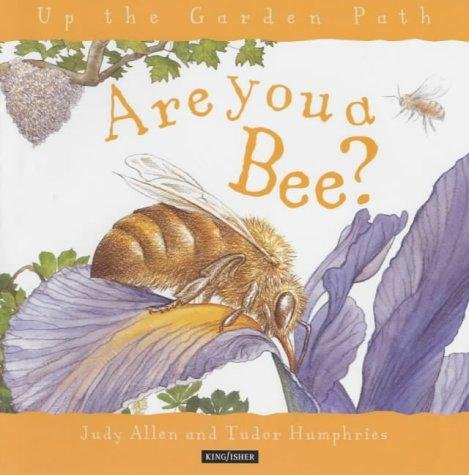
by Judy Allen
Picture book · ages 4–7 · grades K–2 · 320L · 2004
A gentle visual guessing game that teaches observation through repetition and pattern—perfect for garden exploration and bug identification walks.
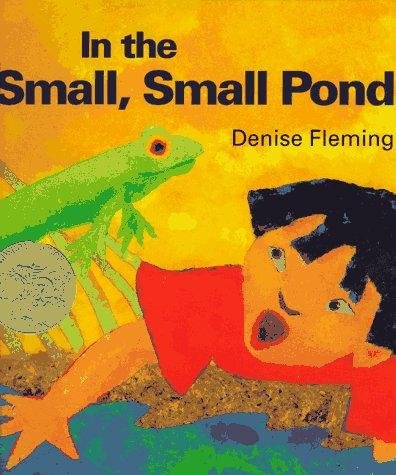
Picture book · ages 2–5 · grade K · 1995
Fleming's die-cut pages and textured board make this tactile delight feel like exploring the pond itself—kids under 5 ask for it by name.
Stretch them up
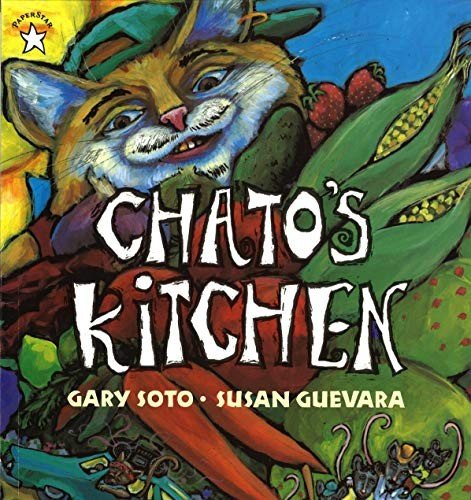
Picture book · ages 4–8 · grades K–3 · 520L · 1997
A genuinely charming meditation on unexpected friendship and cultural warmth—Guevara's art captures East LA texture, and the predator-prey friendship subversion delights without preaching.
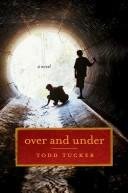
by Todd Tucker
Picture book · ages 4–8 · grades K–3 · 600L · 2009
A quiet masterpiece that teaches observation without a word of didacticism—kids naturally want to lift the flaps and peek, building real naturalist instincts.
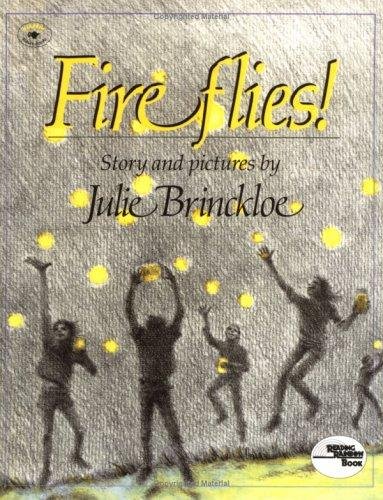
Picture book · ages 4–8 · grades K–3 · 500L · 1986
A quiet masterpiece about the exact moment a child learns that love sometimes means letting go—the watercolor illustrations are luminous and the emotional arc is genuinely moving without being heavy.
Complementing on naming feelings
Verse novel · ages 6–10 · grades 1–5 · 520L · 1998
A masterwork of bilingual wordplay that reads aloud with infectious energy—kids feel seen in the code-switching, and the poems actively teach that two languages in one mind is a superpower, not a problem.
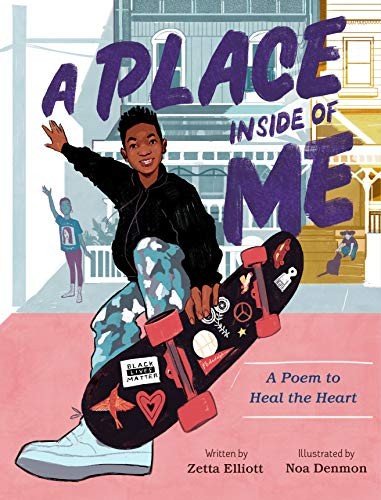
by Noa Denmon
Picture book · ages 4–8 · grades K–3 · 480L
A stunning emotional architecture book — the metaphor of internal rooms for different feelings sticks with kids long after the read, and the illustrations make abstract emotions concrete without sentimentalizing them.
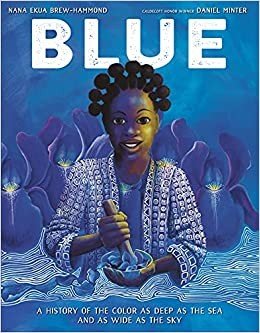
Picture book · ages 4–8 · grades K–3 · 550L · 2022
A lyrical and visually stunning way to teach cultural heritage without it feeling like a lecture; the 'blue' motif is clever enough for older kids but accessible for toddlers.
We'd skip — for now
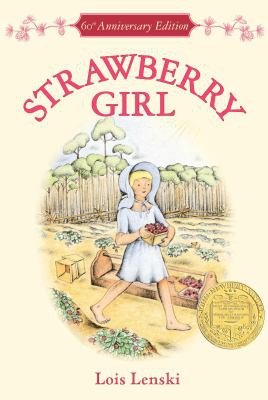
by Lois Lenski
A step up — ages 8–12 · grades 3–7
Skip it if your child finds slow-paced, landscape-focused narratives boring — there's little plot momentum, mostly sensory immersion in farm seasons.