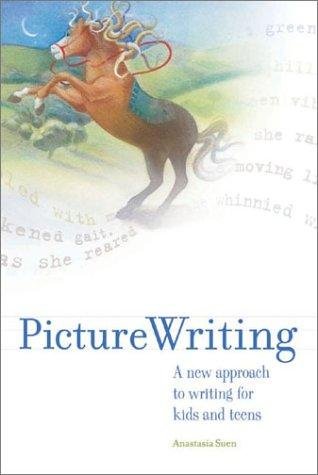
Picture Writing
Nonfiction · ages 8–12 · grades 3–7 · 680L · 2003
A smart, accessible primer on how writing systems evolved across cultures—combines history, art, and practical linguistics without talking down to kids.
For a reader who just finished
after Who Was E. B. White? by Gail Herman · ages 7–10
Middle grade · grades 2–5 · 620L
A solid, accessible entry point for kids who loved 'Charlotte's Web' and want to know about the man behind it, though the prose is drier than some other biographies.
Same style
Nonfiction · ages 8–12 · grades 3–7 · 680L · 2003
A smart, accessible primer on how writing systems evolved across cultures—combines history, art, and practical linguistics without talking down to kids.
by Pamela Pollack
Middle grade · ages 8–12 · grades 3–7 · 650L · 2021
A solid, accessible entry point for kids interested in strong female leaders, though the 'Who Was' series format can feel a bit dry compared to narrative nonfiction.
Middle grade · ages 8–12 · grades 3–7 · 720L · 1929
A historically grounded, earnest window into Finnish immigrant life in early 20th-century North America — valuable for cultural knowledge and perspective, though the pacing and dated prose feel slow to modern readers.
Stretch them up
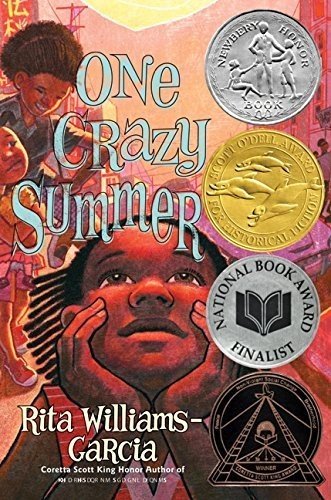
Middle grade · ages 8–12 · grades 3–7 · 750L · 2019
A richly layered book about sisterhood, identity, and reckoning with parental complexity that treats kids' emotional intelligence seriously—the ending doesn't tidy up, which is exactly why it stays with them.
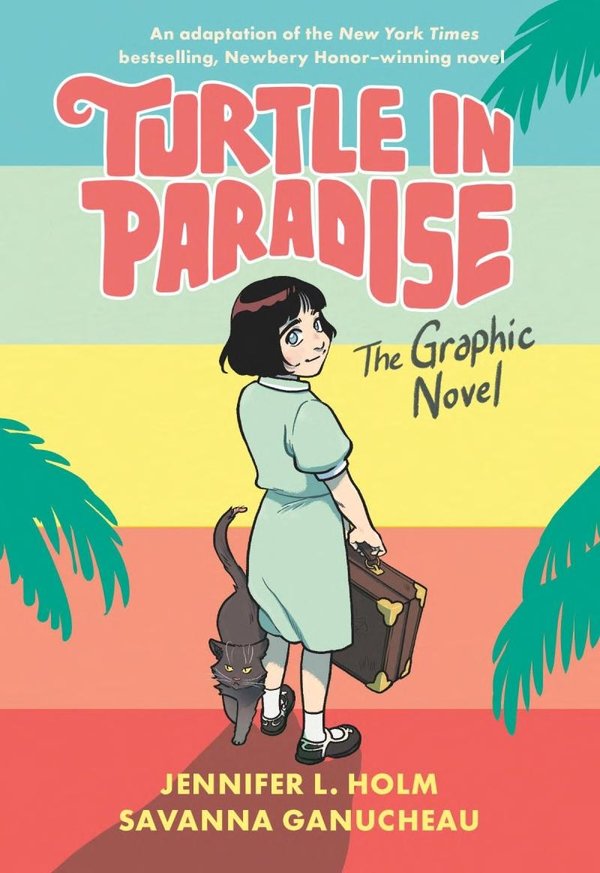
Middle grade · ages 8–12 · grades 3–7 · 760L · 2021
A Depression-era jewel that doesn't lecture—Turtle's scrappiness and the vividness of Key West make history immediate, and the message (belonging is something you find, not something you inherit) lands quietly and hard.
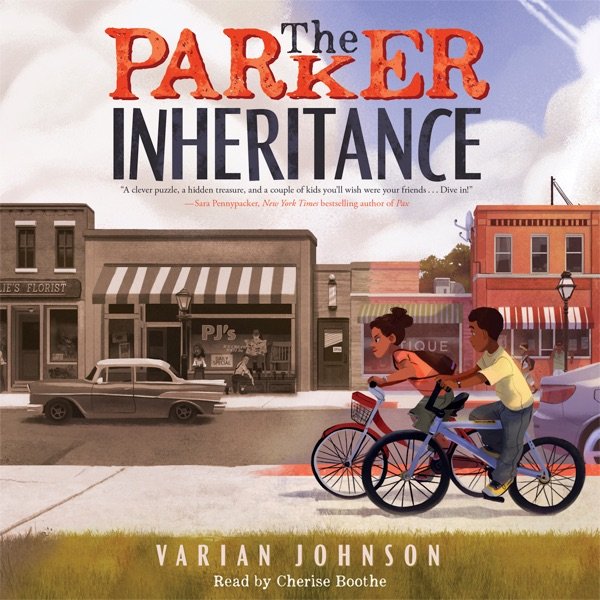
Middle grade · ages 8–12 · grades 3–7 · 730L · 2018
A genuinely smart mystery that teaches the hard history of Jim Crow without moralizing — kids solve the puzzle alongside the protagonist while learning what systemic racism looked like up close.
Complementing on biography arts
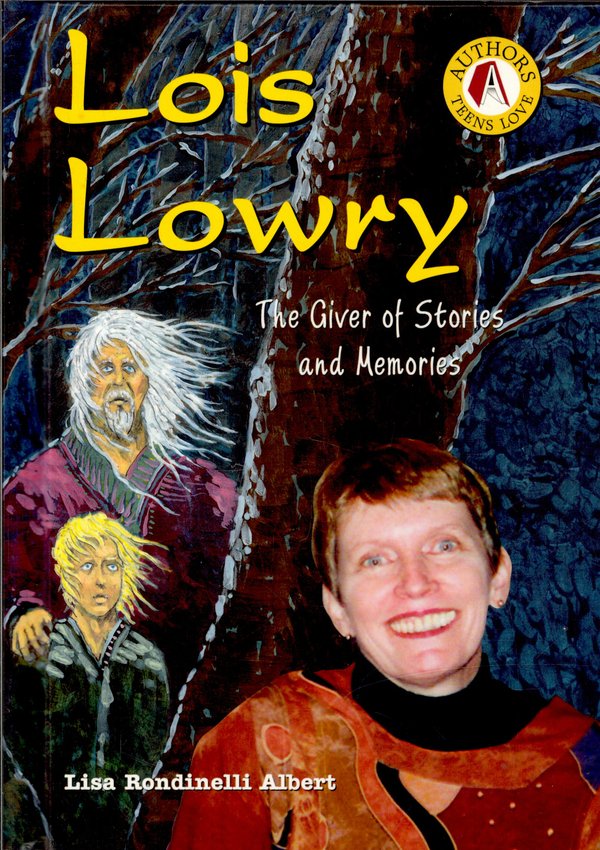
Nonfiction · ages 8–12 · grades 3–7 · 780L · 2007
A solid, age-appropriate introduction to how a real author thinks and works—especially good for kids already reading Lowry or interested in where stories come from.
by Black Troubadour: Langston Hughes
Nonfiction · ages 8–12 · grades 3–7 · 820L
A lyrical, respectful biography that introduces Hughes' genius and shows why he mattered — not dumbed down, but written with genuine warmth for a young reader discovering a literary hero.
Nonfiction · ages 8–12 · grades 3–7 · 800L · 1983
A solid, accessible introduction to Lena Horne that doesn't shy away from racism but keeps the focus on her agency and artistry — good entry point to jazz-era history for older elementary readers.
We'd skip — for now
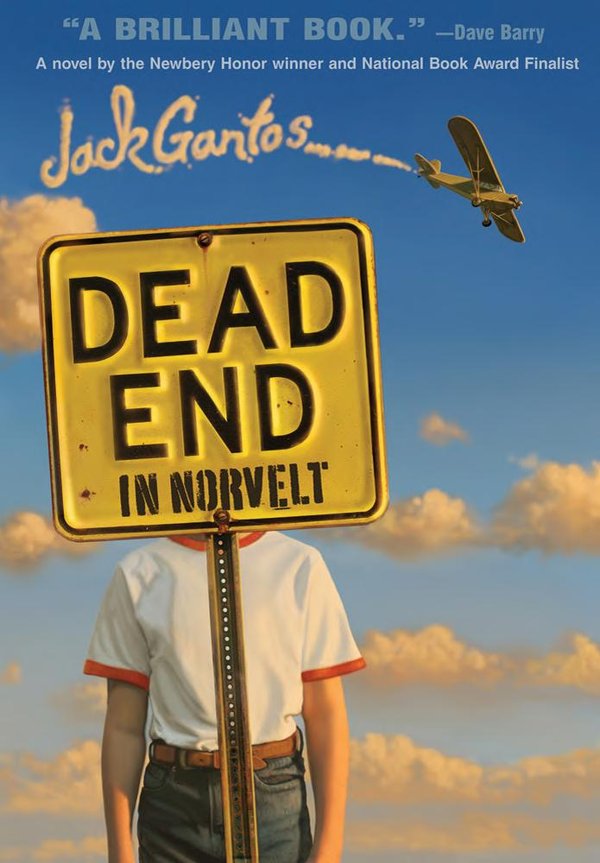
by Jack Gantos
A step up — ages 10–14 · grades 5–9
Skip it if your child is unsettled by elderly characters in decline or by detailed descriptions of constipation and digestive illness (the book uses bodily humor honestly, not mockingly).