For a reader who just finished
Books like Lena Horne
after Lena Horne by James Haskins · ages 8–12
Same style
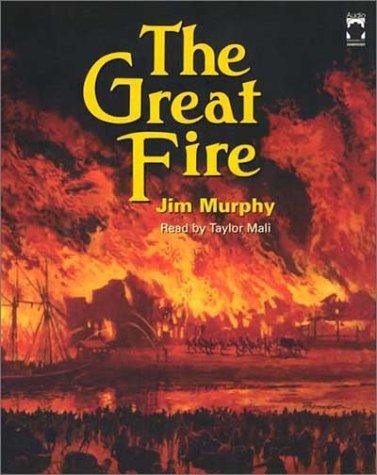
by Jim Murphy
Nonfiction · ages 9–12 · grades 4–7 · 800L
The gold standard for elementary history—Murphy weaves eyewitness accounts and period illustrations into a page-turner that teaches research method without feeling like a textbook.
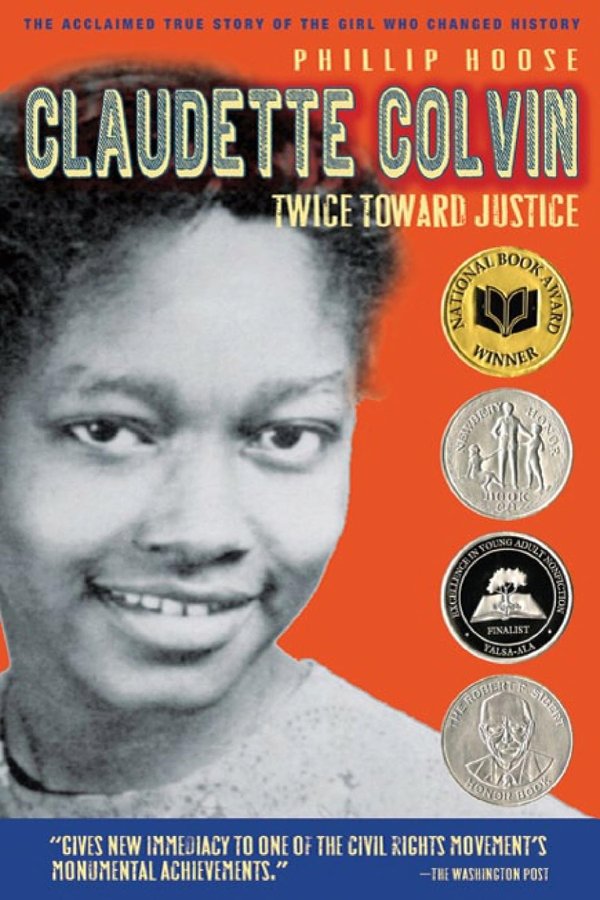
by Phillip Hoose
Nonfiction · ages 10–14 · grades 5–9 · 820L
The book that should be taught instead of (or alongside) Rosa Parks—immediate, deeply researched, and co-authored with Claudette herself, making it both historically authoritative and emotionally resonant for kids discovering real people with real moral agency.
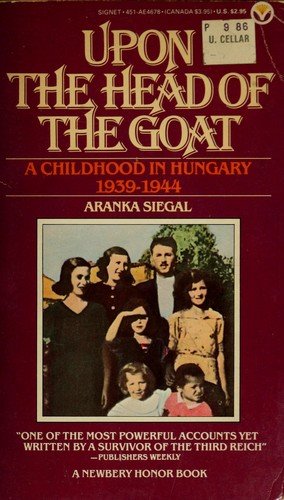
by Aranka Siegal
Nonfiction · ages 10–14 · grades 5–9 · 840L
A masterwork of Holocaust memoir written in a child's voice—unflinching about fear and loss, but grounded in the texture of ordinary summers, school, and family that make the encroaching darkness undeniable.
Complementing on biography arts
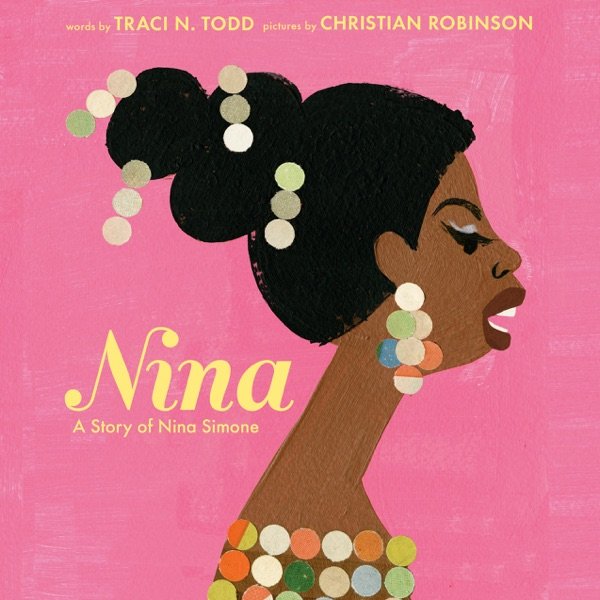
by Traci N. Todd
Picture book · ages 6–10 · grades 1–5 · 620L
A lyrical biography that pairs exquisite illustration with genuine narrative tension — Nina's refusal to be anything other than herself feels urgent and lived, not sanitized.
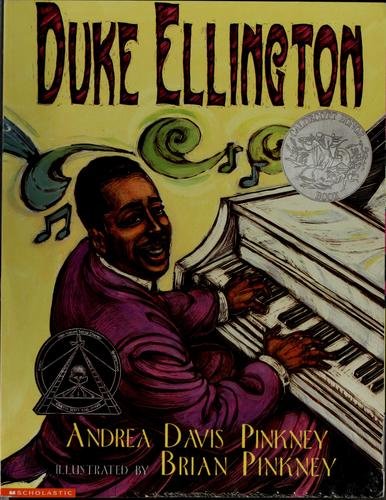
by Brian Pinkney
Picture book · ages 4–8 · grades K–3 · 620L
Pinkney's scratchboard illustrations are luminous and rhythmic—they do half the storytelling work, making this the best visual entry to Duke Ellington for early readers.
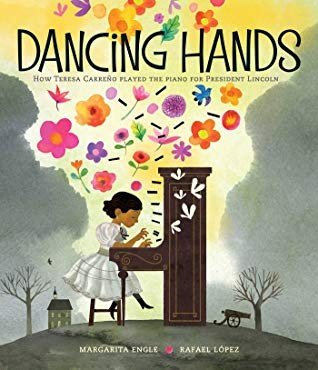
by Rafael López
Picture book · ages 4–8 · grades K–3 · 620L
A luminous picture-book biography with Rafael López's signature watercolor style; introduces kids to a remarkable pianist most have never heard of, and the historical detail (Civil War, Lincoln) anchors it genuinely rather than sentimentally.
We'd skip — for now
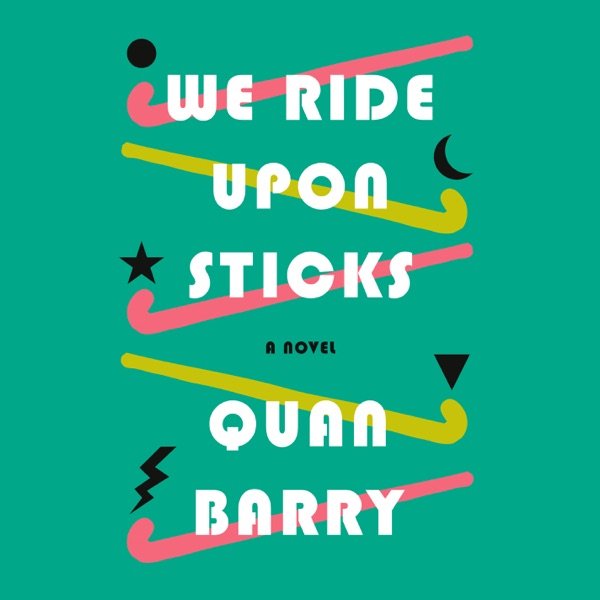
by Quan Barry
A step up — ages 14–18 · grades 9–12
Skip it if your teen is unsettled by queer content or has limited tolerance for literary structure and nonlinear narrative (shifts between verse, dialogue, and prose).
