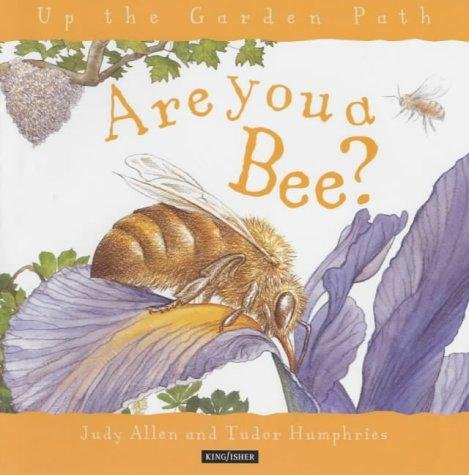
Are You a Bee? (Up the Garden Path)
by Judy Allen
Picture book · ages 4–7 · grades K–2 · 320L · 2004
A gentle visual guessing game that teaches observation through repetition and pattern—perfect for garden exploration and bug identification walks.
For a reader who just finished
after What Is Orange? by Pam Holden · ages 4–8
Picture book · grades K–3 · 300L
A bright, high-contrast visual primer that turns a basic color concept into a scavenger hunt for the eye.
Same style
by Judy Allen
Picture book · ages 4–7 · grades K–2 · 320L · 2004
A gentle visual guessing game that teaches observation through repetition and pattern—perfect for garden exploration and bug identification walks.
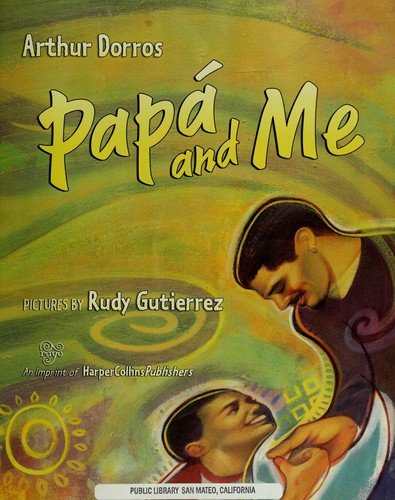
Picture book · ages 3–7 · grades K–2 · 300L · 2008
A quiet, bilingual celebration of ordinary father-child moments that normalizes Latino family life without cuteness or exoticism.
by Grace Moon
Picture book · ages 4–8 · grades K–3 · 350L · 1938
A gentle 1938 picture book with dated but charming illustrations; the papoose's adventure has warmth but limited emotional depth by modern standards.
Stretch them up
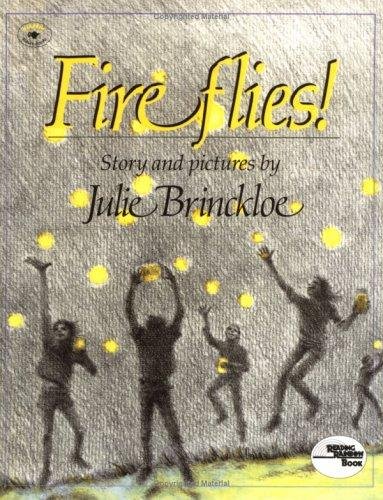
Picture book · ages 4–8 · grades K–3 · 500L · 1986
A quiet masterpiece about the exact moment a child learns that love sometimes means letting go—the watercolor illustrations are luminous and the emotional arc is genuinely moving without being heavy.
Picture book · ages 4–8 · grades K–3 · 500L
A stunning meditation on Black identity, cosmic belonging, and the stuff of stars — Holmes's collage art is as much the story as the lyrical text, and it lands as both emotional and genuinely educational.
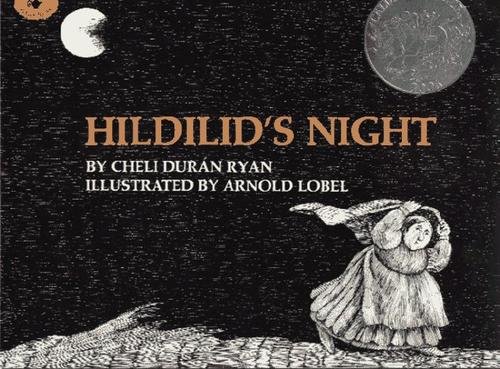
by Arnold Lobel
Picture book · ages 4–8 · grades K–3 · 480L · 1996
A Caldecott-worthy meditation on agency and impossible dreams—the text is spare, the illustrations are luminous and strange, and Hilda's quiet conviction lingers long after the final page.
Complementing on observation evidence
by Leo Politi
Picture book · ages 4–8 · grades K–3 · 620L · 1999
A 1946 Newbery winner that holds up: lyrical, culturally grounded, and teaches patient observation without preaching—the swallows are a genuine draw, not a metaphor.
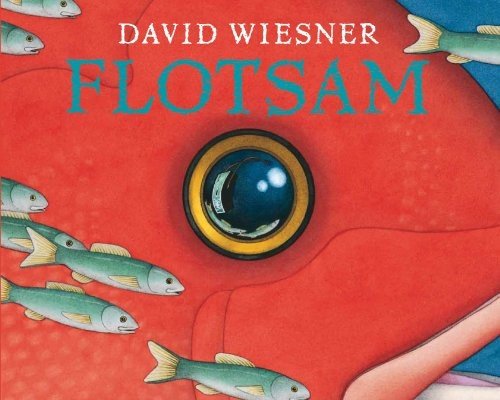
Picture book · ages 4–8 · grades K–3 · 2001
A wordless masterpiece that teaches observation and sparks imagination without a single sentence—kids stare at the panels, construct their own theories, and beg to flip through it again.
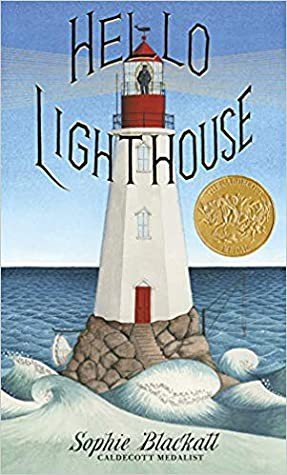
Picture book · ages 4–8 · grades K–3 · 2018
A quiet masterpiece—Sophie Blackall's illustrations carry the entire emotional weight; the text is minimal but the repeated visual rhythm teaches observation and calm better than any preachy picture book could.
We'd skip — for now
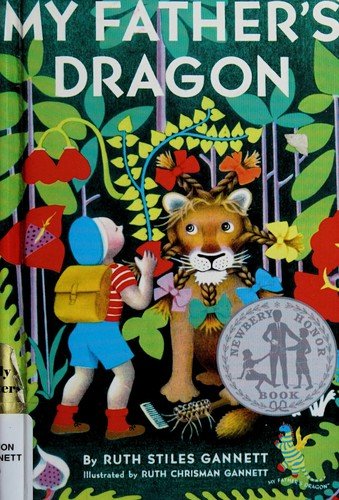
by Ruth Stiles Gannett
A step up — ages 9–12 · grades 4–7
Skip it if your child has strong separation anxiety or is unsettled by a young child away from parents for an extended journey.