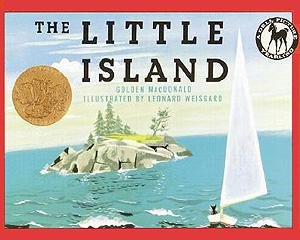
The Little Island
Picture book · ages 4–8 · grades K–3 · 450L
A Caldecott winner that works as pure mood piece—lyrical, visually sumptuous, and genuinely calming on reread, though some kids find the abstraction frustrating.
For a reader who just finished
after Whale Song by Nicola Davies · ages 6–9
Picture book · grades 1–4 · 450L
A lyrical, visually stunning introduction to the acoustic world of whales that balances poetic language with genuine biological insight.
Same style
Picture book · ages 4–8 · grades K–3 · 450L
A Caldecott winner that works as pure mood piece—lyrical, visually sumptuous, and genuinely calming on reread, though some kids find the abstraction frustrating.
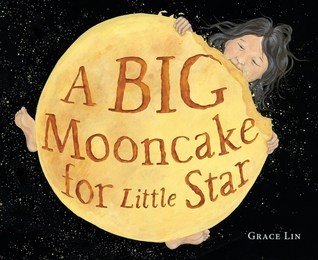
by Grace Lin
Picture book · ages 3–7 · grades K–2 · 380L · 2018
Grace Lin's most lyrical picture book — the art and text whisper rather than sing, and a parent reading it aloud will find themselves slowing down, which is the whole point.
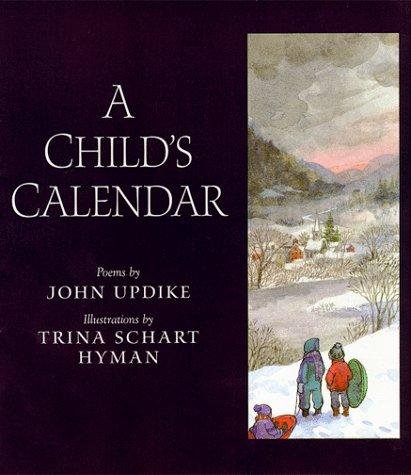
Picture book · ages 4–8 · grades K–3 · 2004
Hyman's illustrations are the real content here—gorgeous, detailed, and patient; perfect for reading aloud across a whole year or dipping into by season.
Stretch them up
by Leo Politi
Picture book · ages 4–8 · grades K–3 · 620L · 1999
A 1946 Newbery winner that holds up: lyrical, culturally grounded, and teaches patient observation without preaching—the swallows are a genuine draw, not a metaphor.
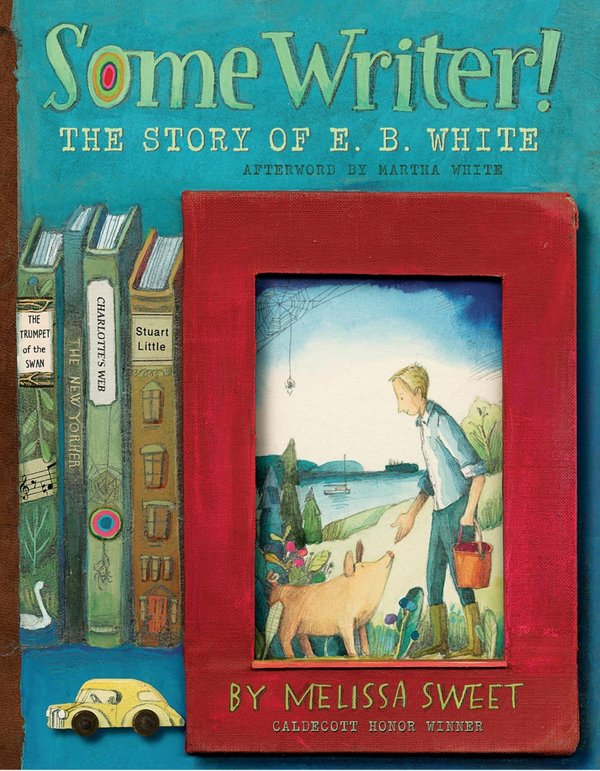
Picture book · ages 6–9 · grades 1–4 · 620L · 2016
Melissa Sweet's collage art and lyrical text make this feel less like a biography lesson and more like an invitation to notice the world the way E.B. White did—the best picture-book biography for this age.
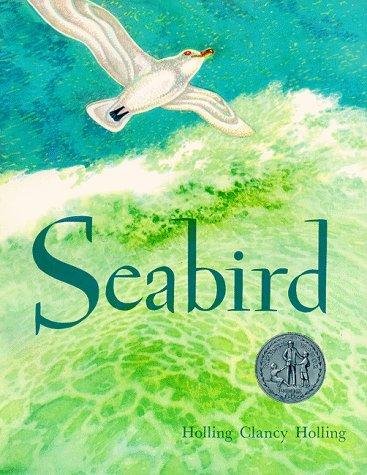
Picture book · ages 6–10 · grades 1–5 · 620L · 1978
A masterpiece of patient observation disguised as a picture book—the illustrations reward close, repeated looking and the text respects a child's intelligence without talking down.
Complementing on observation evidence
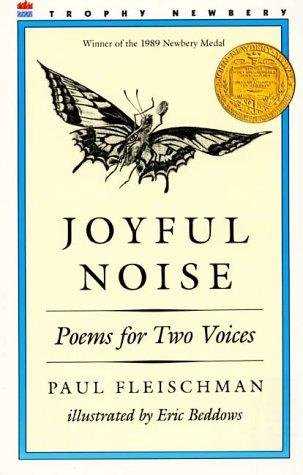
Verse novel · ages 8–12 · grades 3–7 · 620L · 1988
A Newbery Medal masterpiece that teaches kids how to listen to nature through the architecture of two-voice poetry — kids discover they can read these aloud *right now* with a friend and it immediately sounds like music.
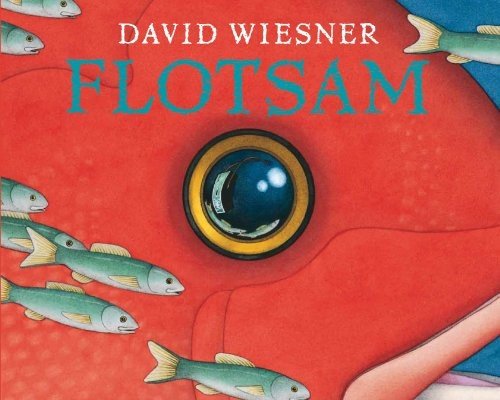
Picture book · ages 4–8 · grades K–3 · 2001
A wordless masterpiece that teaches observation and sparks imagination without a single sentence—kids stare at the panels, construct their own theories, and beg to flip through it again.
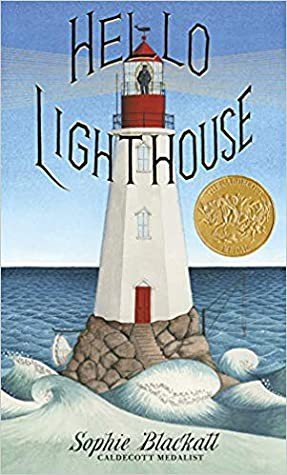
Picture book · ages 4–8 · grades K–3 · 2018
A quiet masterpiece—Sophie Blackall's illustrations carry the entire emotional weight; the text is minimal but the repeated visual rhythm teaches observation and calm better than any preachy picture book could.
We'd skip — for now
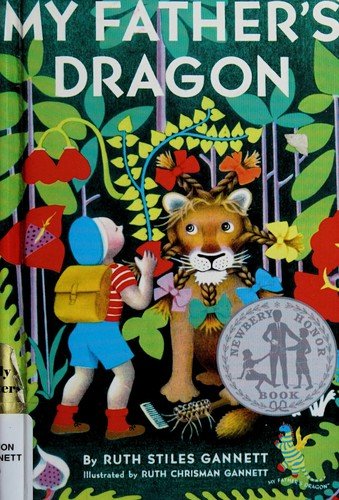
by Ruth Stiles Gannett
A step up — ages 9–12 · grades 4–7
Skip it if your child has strong separation anxiety or is unsettled by a young child away from parents for an extended journey.