

The Man Who Ate the 747
by Ben Sherwood
Nonfiction · 1050L
A clever, unsettling adult-crossover essay that teaches skepticism through a true story of a man who ate metal—ideal for older kids beginning to question media and narrative authority.
For a reader who just finished
after The Undercover Economist by Tim Harford
Same style
by Ben Sherwood
Nonfiction · 1050L
A clever, unsettling adult-crossover essay that teaches skepticism through a true story of a man who ate metal—ideal for older kids beginning to question media and narrative authority.
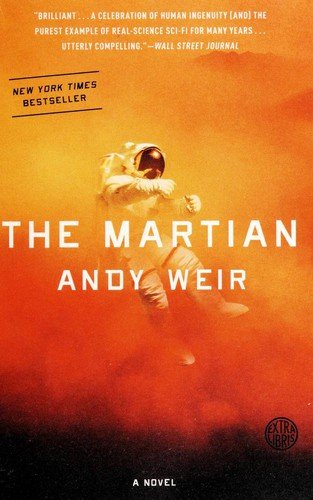
by Andy Weir
Nonfiction · 1050L
Genuinely gripping survival narrative that treats science and engineering as heroic; the log format makes failure and iteration transparent, not hidden. Profanity and some mature situational humor mean younger readers need maturity, not age alone.

by Jeannette Walls
Nonfiction · 1010L
A brutal, unflinching family portrait that reads like a grown woman finally telling the truth—emotionally mature 13-year-olds will feel seen by the specificity, but younger readers will miss the nuance and need real preparation.
Complementing on supply demand
by Barbara Cooney
Picture book · ages 4–8 · grades K–3 · 620L
A Caldecott triumph that teaches supply-and-demand economics and seasonal patience through lyrical understatement—Cooney's watercolors make the repetition sing, not bore.
by Barbara Cooney
Picture book · ages 4–8 · grades K–3 · 620L
A Caldecott triumph that teaches supply-and-demand economics and seasonal patience through lyrical understatement—Cooney's watercolors make the repetition sing, not bore.
by Barbara Cooney
Picture book · ages 4–8 · grades K–3 · 620L
A Caldecott triumph that teaches supply-and-demand economics and seasonal patience through lyrical understatement—Cooney's watercolors make the repetition sing, not bore.