For a reader who just finished
Books like The Sword of Summer
after The Sword of Summer by Rick Riordan · ages 10–14
Same style
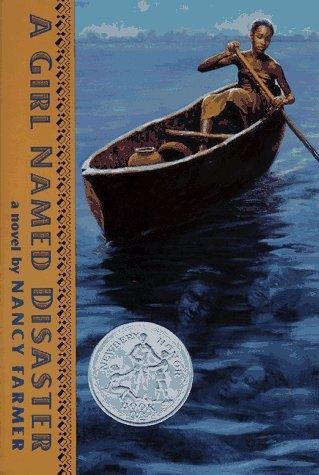
by Nancy Farmer
Middle grade · ages 10–14 · grades 5–9 · 760L
A genuinely gripping survival odyssey that treats African geography, war, and spiritual belief with full complexity—not a white-savior narrative, but a girl's own ingenuity and cultural inheritance saving her.
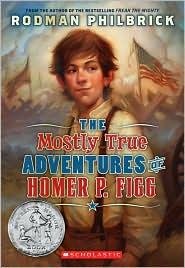
by Rodman Philbrick
Middle grade · ages 9–12 · grades 4–7 · 780L
A deeply intelligent war story that never talks down—Homer's voice is funny and real, the historical stakes bite, and the emotional climax genuinely lands.
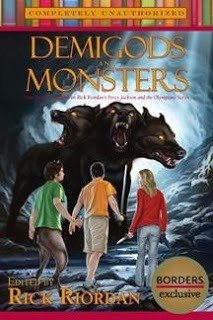
by Rick Riordan
Middle grade · ages 9–12 · grades 4–7 · 740L
The gold standard entry point for myths, quests, and kids who love witty protagonists — the ADHD/dyslexia angle feels earned, not decorative, and Riordan's voice carries slow readers through.
Stretch them up
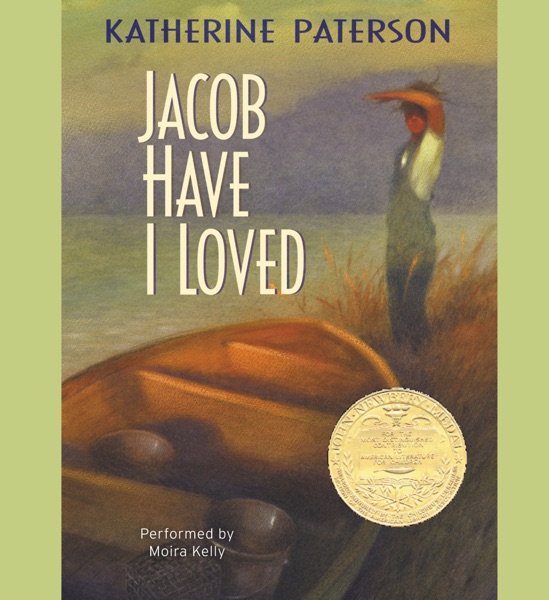
by Katherine Paterson
Middle grade · ages 10–14 · grades 5–9 · 820L
A Newbery winner that actually deserves it—Paterson writes sibling resentment and reconciliation with such honesty that kids recognize their own families, and the 1941 Chesapeake setting carries real historical weight without preaching.
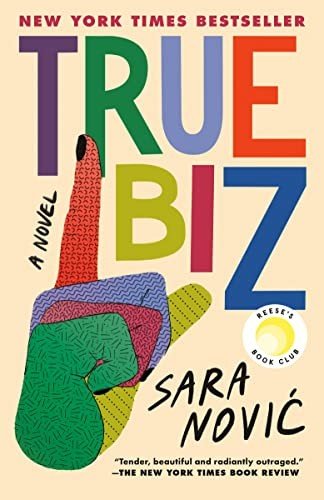
by Sara Nović
Middle grade · ages 10–14 · grades 5–9 · 820L
A genuinely original YA-crossover novel that treats Deaf culture as protagonist, not obstacle—kids learn to think in sign while wrestling with identity questions that feel urgent, not didactic.
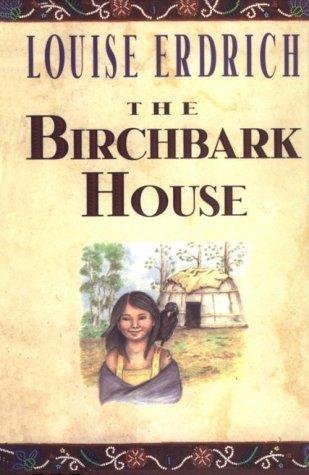
by Louise Erdrich
Middle grade · ages 8–12 · grades 3–7 · 820L
Erdrich's portrait of Omakayas and her family is unsentimental and alive—the smallpox arc is genuinely tragic, the cultural detail is precise, and a child reader walks away understanding Ojibwe life as rich and coherent, not distant or exotic.
Complementing on courage
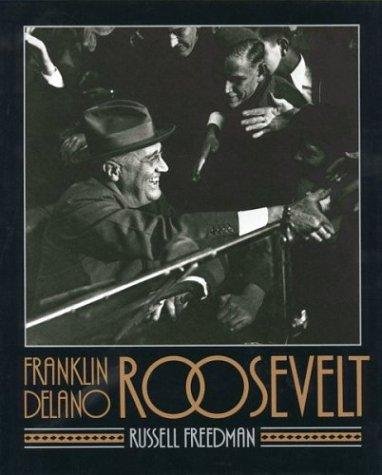
by Russell Freedman
Nonfiction · ages 9–12 · grades 4–7 · 820L
Freedman's accessible, photo-rich biography makes FDR's disability and determination feel immediate without sentimentality; kids grasp both the man and the era.
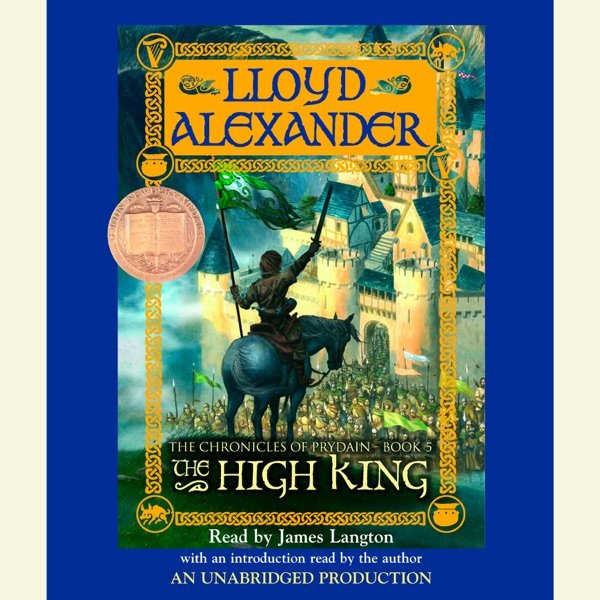
by Lloyd Alexander
Middle grade · ages 10–14 · grades 5–9 · 780L
The high-water mark of mid-century fantasy for this age—serious stakes, earned character growth, and a finale that actually trusts kids to grieve and think.
by Rick Riordan
Middle grade · ages 9–12 · grades 4–7 · 740L
The gold standard entry point for myths, quests, and kids who love witty protagonists — the ADHD/dyslexia angle feels earned, not decorative, and Riordan's voice carries slow readers through.
We'd skip — for now
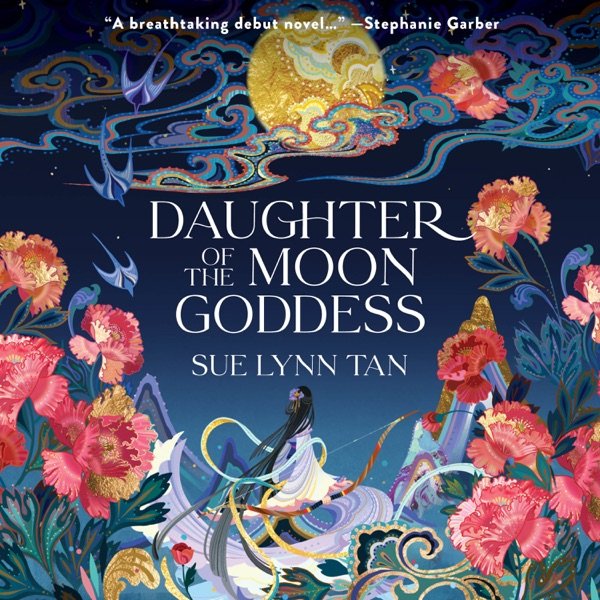
by Sue Lynn Tan
A step up — ages 14–18 · grades 9–12
Skip it if your teen has been spooked by sustained magical threat or combat; there are extended battle scenes and genuine peril to beloved characters.
