For a reader who just finished
Books like The Mostly True Adventures of Homer P. Figg
after The Mostly True Adventures of Homer P. Figg by Rodman Philbrick · ages 9–12
Same style
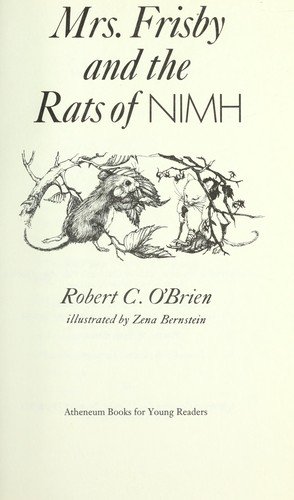
by Robert C. O'Brien
Middle grade · ages 8–12 · grades 3–7 · 780L
A genuinely intelligent adventure where the protagonist solves problems with her mind, not magic—the rats are neither evil nor saviors, and Mrs. Frisby's ordinary maternal courage is the entire book's engine.
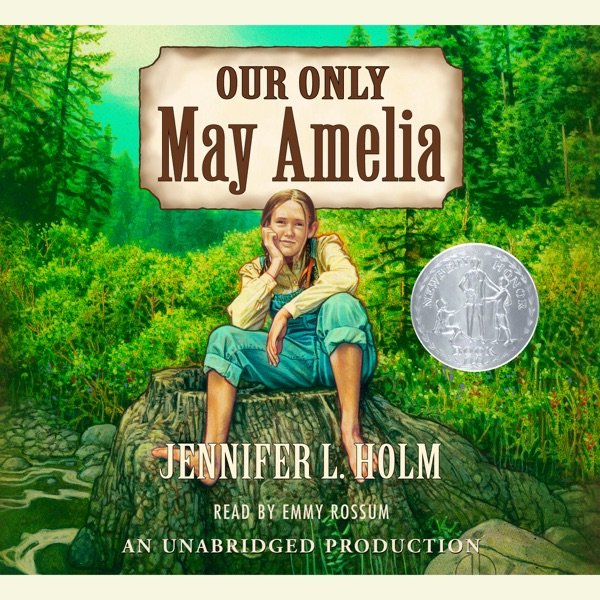
by Jennifer L. Holm
Middle grade · ages 10–14 · grades 5–9 · 780L
A Newbery winner that doesn't feel like one—spirited, funny, and genuinely about a girl figuring out who she is against the grain of her family's hopes; the frontier setting and Finnish details feel lived-in rather than researched.
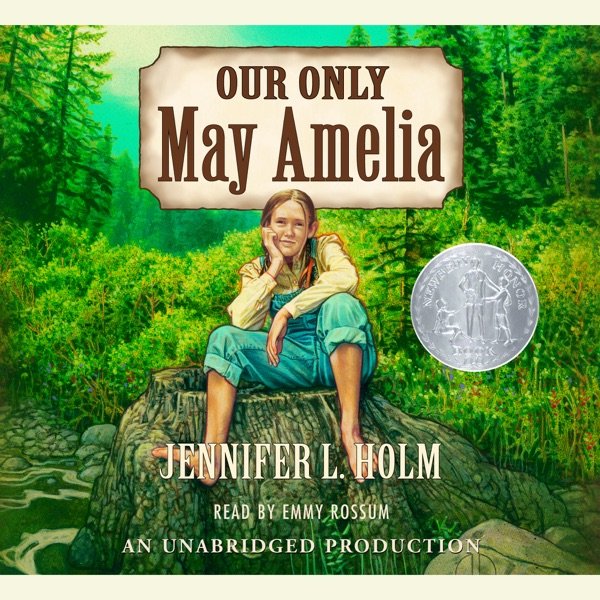
by Jennifer L. Holm
Middle grade · ages 10–14 · grades 5–9 · 780L
A Newbery winner that doesn't feel like one—spirited, funny, and genuinely about a girl figuring out who she is against the grain of her family's hopes; the frontier setting and Finnish details feel lived-in rather than researched.
Stretch them up
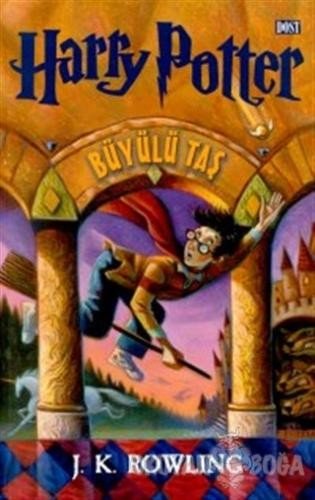
by J. K. Rowling
Middle grade · ages 9–12 · grades 4–7 · 880L
The book that redefined children's fiction — richly imagined world, genuine stakes, prose that respects young readers, and a protagonist's journey from isolation to belonging that doesn't feel saccharine.
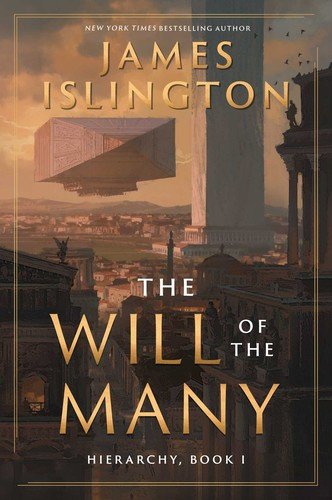
by James Islington
Middle grade · ages 10–14 · grades 5–9 · 890L
A genuinely sophisticated magic system wrapped in a mystery about identity — harder than typical middle grade but rewarding for strong readers who don't need constant humor.

by Alexandre Dumas
Middle grade · ages 10–14 · grades 5–9 · 850L
Dumas's most intellectually challenging novel for this age — the identity-swap plot demands careful attention, but the pacing and moral ambiguity reward readers ready to wrestle with unfair systems.
Complementing on courage
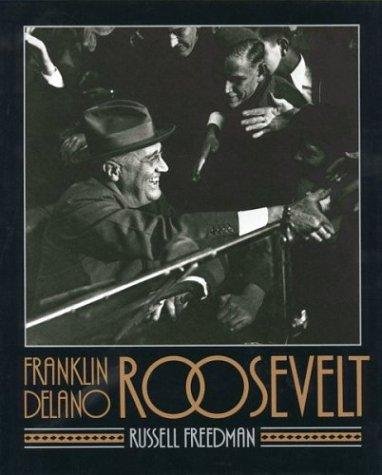
by Russell Freedman
Nonfiction · ages 9–12 · grades 4–7 · 820L
Freedman's accessible, photo-rich biography makes FDR's disability and determination feel immediate without sentimentality; kids grasp both the man and the era.
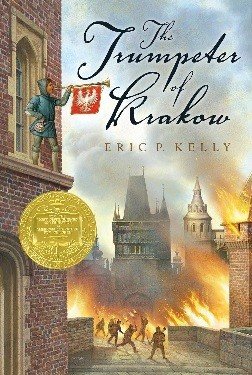
by Eric P. Kelly
Middle grade · ages 8–12 · grades 3–7 · 800L
A Newbery winner that feels genuinely historical without being a slog — the mystery of the trumpet and the boy's quiet bravery make it memorable for kids who can handle older prose.
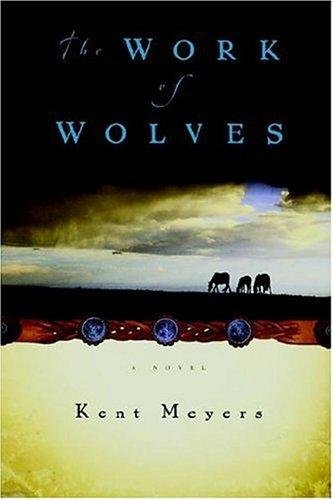
by Kent Meyers
Middle grade · ages 10–14 · grades 5–9 · 780L
Quiet, grounded coming-of-age where a Nebraska kid learns to trust observation over inherited fear—Meyers' prose is deliberate and the wolf ecology is genuinely taught, not romanticized.
We'd skip — for now
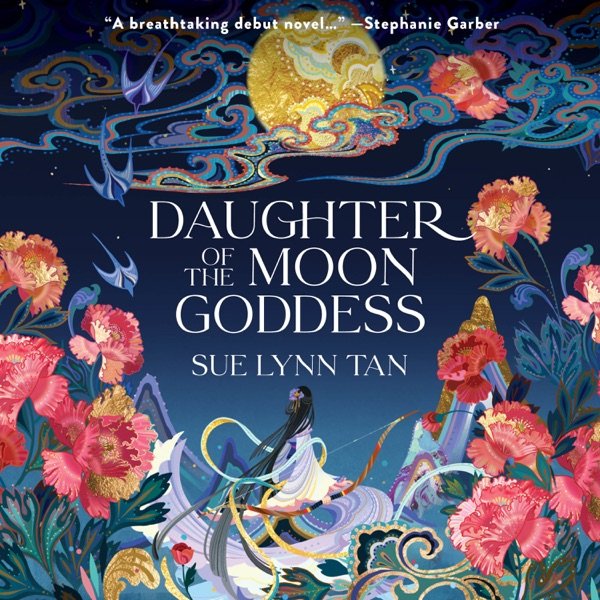
by Sue Lynn Tan
A step up — ages 14–18 · grades 9–12
Skip it if your teen has been spooked by sustained magical threat or combat; there are extended battle scenes and genuine peril to beloved characters.
