For a reader who just finished
Books like Franklin Delano Roosevelt
after Franklin Delano Roosevelt by Russell Freedman · ages 9–12
Same style
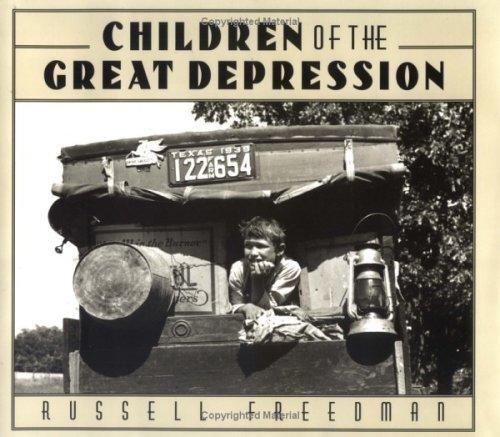
by Russell Freedman
Nonfiction · ages 10–14 · grades 5–9 · 800L
Freedman's photographs and firsthand accounts make economic hardship visceral without trauma—kids understand scarcity and resilience through real children's voices, not sentiment.
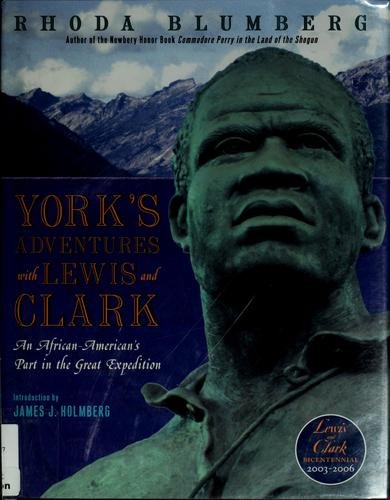
by Rhoda Blumberg
Nonfiction · ages 8–12 · grades 3–7 · 790L
The only children's biography that treats York as a thinking subject rather than a sidecar to Lewis and Clark; Blumberg's honesty about historical gaps models what real scholarship looks like.
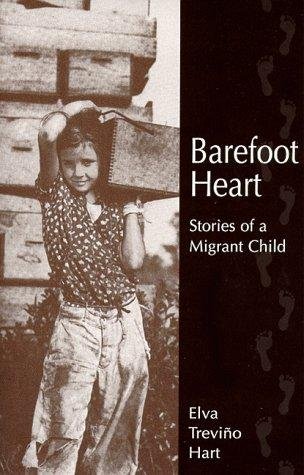
by Elva Trevino Hart
Nonfiction · ages 10–14 · grades 5–9 · 760L
A clear-eyed, unsentimental account of childhood in migrant farmworker camps — honest about hardship, shame, and the texture of resilience; essential reading for upper elementary/early middle grade kids ready for true stories about inequality.
Complementing on courage
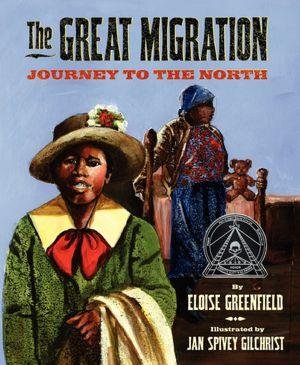
by Eloise Greenfield
Picture book · ages 6–9 · grades 1–4 · 620L
Eloise Greenfield's only children's book about the Great Migration—lyrical, historically grounded, and emotionally honest without being heavy; the illustrations anchor abstract history in real bodies and faces.
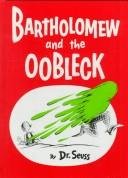
by Dr. Seuss
Picture book · ages 4–8 · grades K–3 · 620L
Seuss at his most serious: a kid solves a crisis by speaking up when adults won't listen, the king learns humility through apology, and the language is so playful it carries thematic weight without preaching.
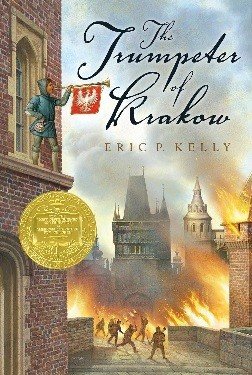
by Eric P. Kelly
Middle grade · ages 8–12 · grades 3–7 · 800L
A Newbery winner that feels genuinely historical without being a slog — the mystery of the trumpet and the boy's quiet bravery make it memorable for kids who can handle older prose.
We'd skip — for now
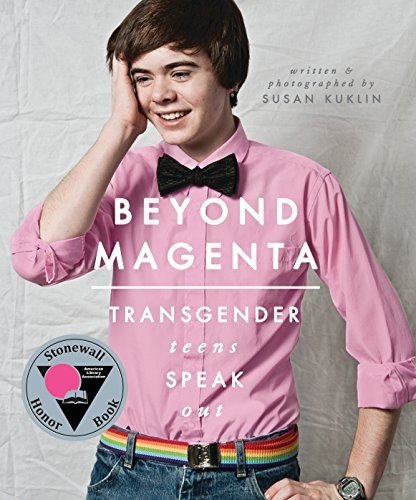
by Susan Kuklin
A step up — ages 14–18 · grades 9–12
Skip it if your family is not ready to discuss gender identity, sexuality, and the lived experience of discrimination; this book does not shy from those conversations.
