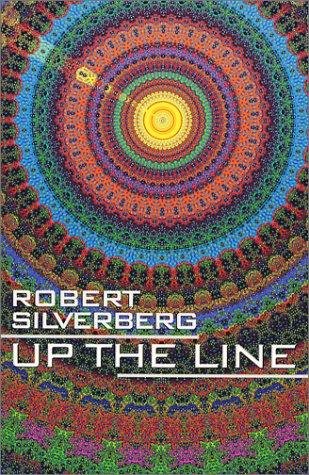
Up the Line
Young adult · ages 12–18 · grades 7–12 · 900L · 1969
A classic first-contact sci-fi that feels dated in its tech but remains a powerful study of adolescent anxiety and the weight of responsibility.
For a reader who just finished
after The River Has Teeth by Erica Waters · ages 12–16
Young adult · grades 7–11 · 850L
A tense, atmospheric survival story that leans into the psychological weight of isolation rather than just physical danger.
Same style
Young adult · ages 12–18 · grades 7–12 · 900L · 1969
A classic first-contact sci-fi that feels dated in its tech but remains a powerful study of adolescent anxiety and the weight of responsibility.
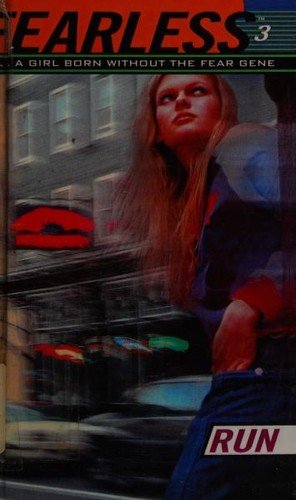
Young adult · ages 12–18 · grades 7–12 · 780L · 2001
A solid mystery-thriller launch that hooked many teens in the early 2000s, though the premise of 'fearlessness' wears thin under scrutiny and the romance subplot feels obligatory.
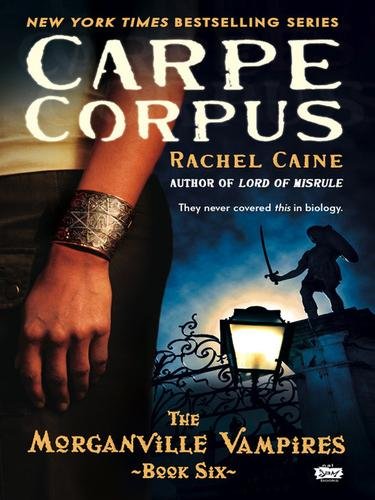
by Rachel Caine
Young adult · ages 14–18 · grades 9–12 · 780L · 2010
Fast-paced supernatural thriller with genuine stakes and character growth; the romance subplot doesn't overwhelm the survival plot, and Claire's agency drives the action.
Stretch them up
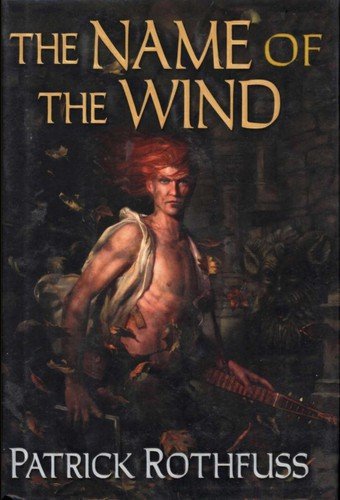
Young adult · ages 14–18 · grades 9–12 · 1050L · 2024
A genuine doorstop fantasy that respects teen readers' intelligence — ornate prose, deep worldbuilding, and a narrator whose unreliability becomes part of the pleasure.
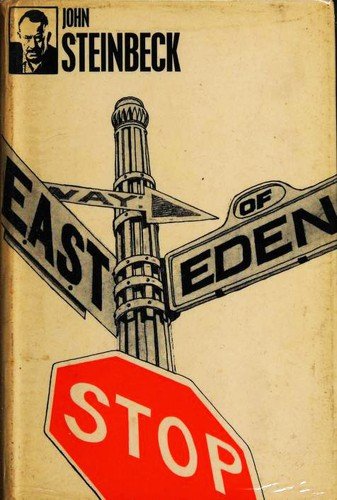
Young adult · 1050L · 1952
The most philosophically rigorous American family saga; demands intellectual maturity but rewards it with a genuinely moral argument about choice and human nature that lands harder at 15–16 than at 12.
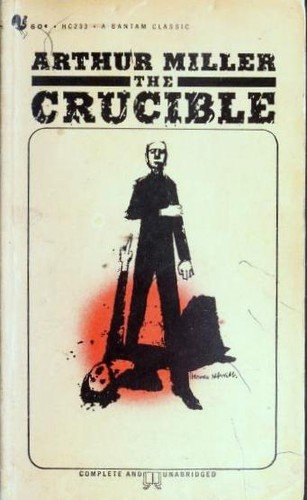
Young adult · ages 14–18 · grades 9–12 · 1050L
A play about mass hysteria and coerced confession that lands harder after every election cycle — teens wrestle with why good people participate in injustice, and it's the rare YA text that trusts them with that complexity.
Complementing on resilience
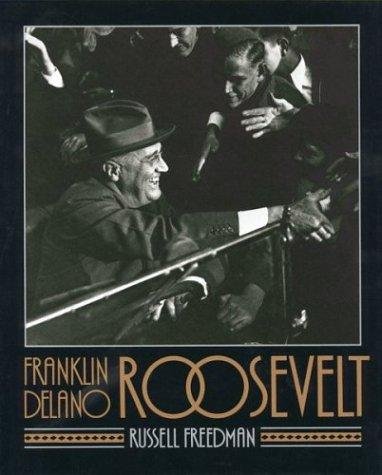
Nonfiction · ages 9–12 · grades 4–7 · 820L · 1990
Freedman's accessible, photo-rich biography makes FDR's disability and determination feel immediate without sentimentality; kids grasp both the man and the era.
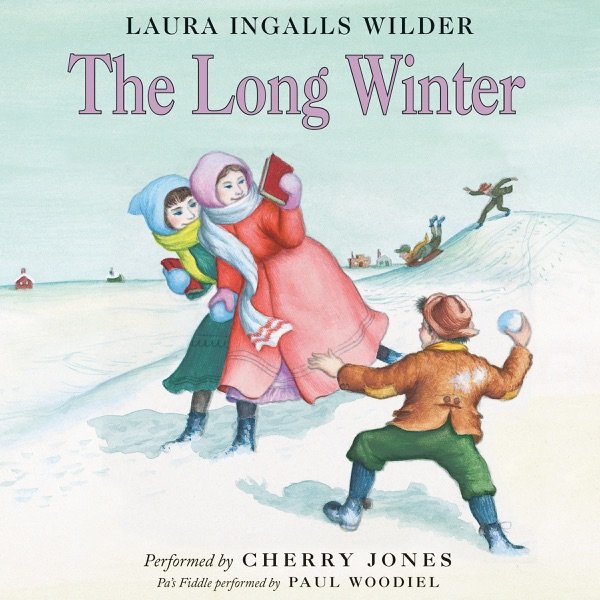
Middle grade · ages 8–12 · grades 3–7 · 740L · 2003
The most gripping book in the series—a taut survival narrative that doesn't sentimentalize hardship, and kids emerge understanding both pioneer resourcefulness and genuine historical vulnerability.
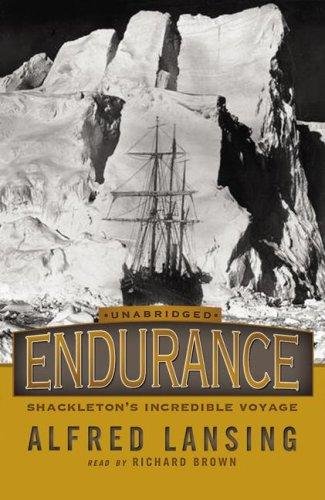
Nonfiction · age 10+ · grade 5+ · 1010L · 2007
A legitimate page-turner that models endurance without sentimentality; Lansing's prose is cinematic enough to hold a 10-year-old, and the real stakes (starvation, cold, abandonment) make the survival meaningful, not fictional.
We'd skip — for now
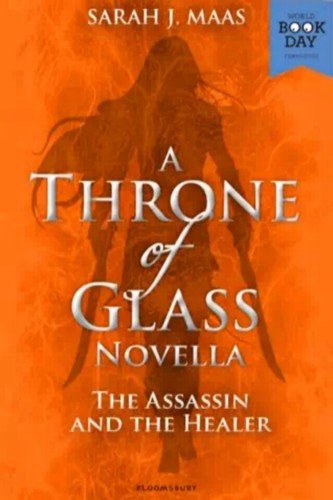
by Sarah J. Maas
A step up — ages 16–18 · grades 11–12
Skip it if your teen is uncomfortable with sustained violence (assassin training, combat scenes) or if they need romance to be less central to plot.