For a reader who just finished
Books like The Jumping-Off Place
after The Jumping-Off Place by Marian Hurd McNeely · ages 4–8
Same style
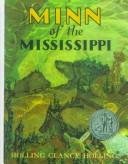
by Holling C. Holling
Picture book · ages 6–10 · grades 1–5 · 620L
A 1975 classic that holds up: gorgeously illustrated and densely informative without feeling didactic, following a mink from Minnesota headwaters to the Gulf, with asides on river towns and ecosystems that reward rereading.
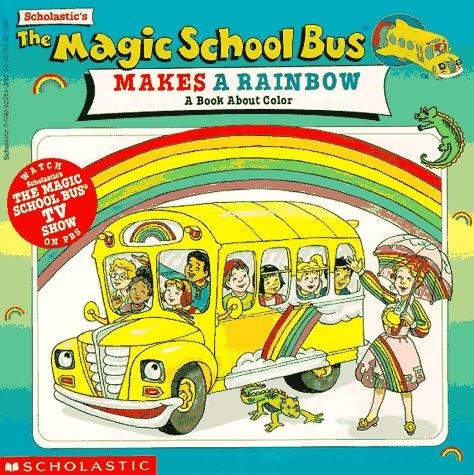
by Joanna Cole
Picture book · ages 4–8 · grades K–3 · 520L
The MSB formula works best here: concrete visual phenomena, genuine science content, and Frizzle's unflappable classroom that makes experimentation feel safe and inevitable.
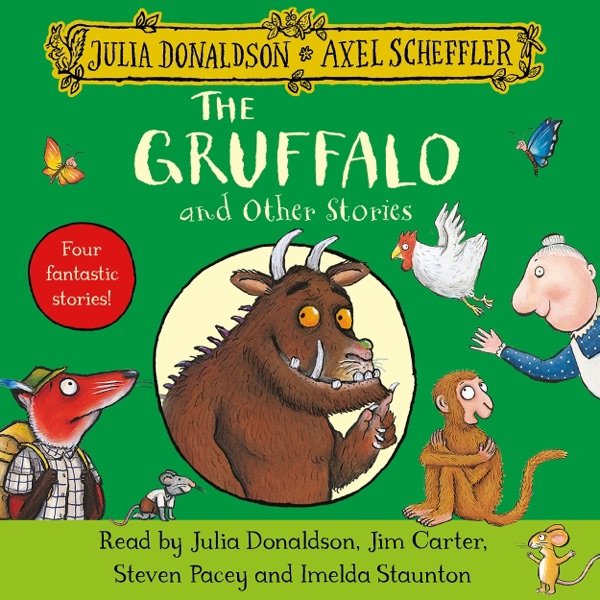
by Julia Donaldson
Picture book · ages 3–7 · grades K–2 · 500L
The rhyme scheme and rhythm are addictive—kids memorize it and parents don't tire of rereads; the mouse's ingenuity is genuinely clever, not contrived.
Stretch them up
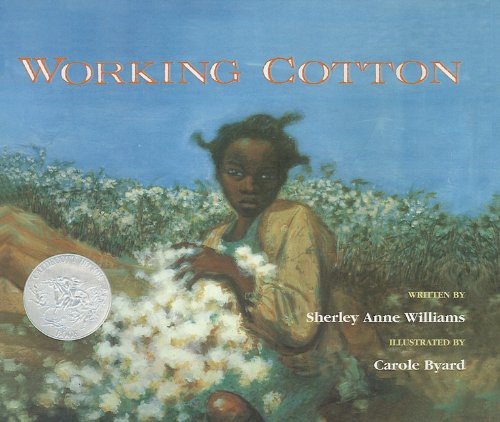
by Carole Byard
Picture book · ages 6–10 · grades 1–5 · 620L
Unflinching, lyrical, and told in the protagonist's own voice — this is the rare picture book that doesn't sentimentalize poverty but doesn't rob children of it either, and Carole Byard's collage art is extraordinary.
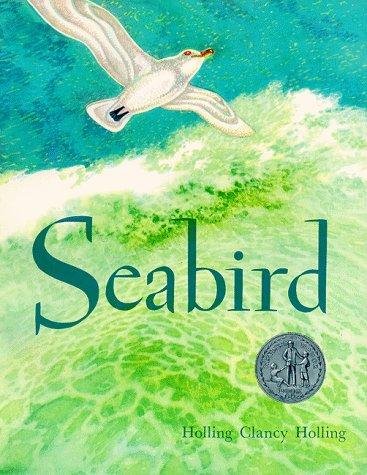
by Holling C. Holling
Picture book · ages 6–10 · grades 1–5 · 620L
A masterpiece of patient observation disguised as a picture book—the illustrations reward close, repeated looking and the text respects a child's intelligence without talking down.
by Todd Tucker
Picture book · ages 4–8 · grades K–3 · 600L
A quiet masterpiece that teaches observation without a word of didacticism—kids naturally want to lift the flaps and peek, building real naturalist instincts.
Complementing on curiosity
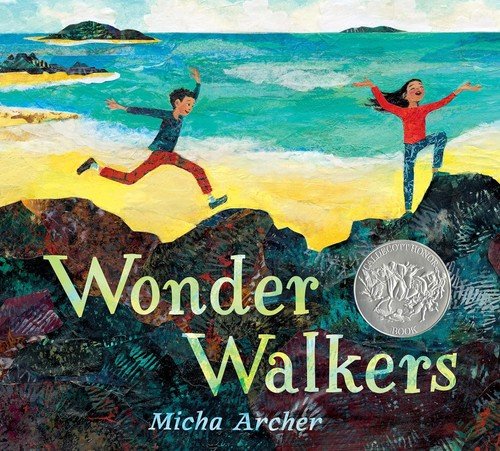
by Micha Archer
Picture book · ages 4–8 · grades K–3 · 420L
A quiet, joyful celebration of noticing — the kind of book that trains kids to actually *see* the world and ask real questions instead of moving past it.
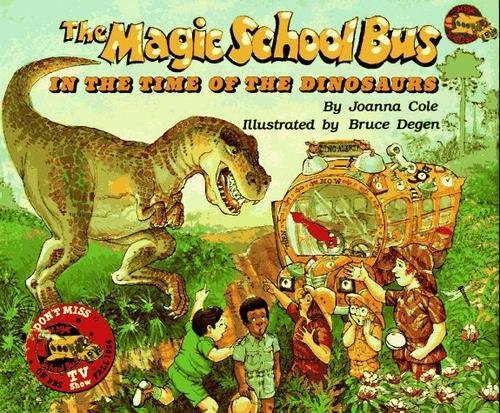
by Joanna Cole
Picture book · ages 4–8 · grades K–3 · 620L
The most durable elementary science series ever written—genuinely teaches observation and scientific thinking without feeling didactic, and kids reread it obsessively.
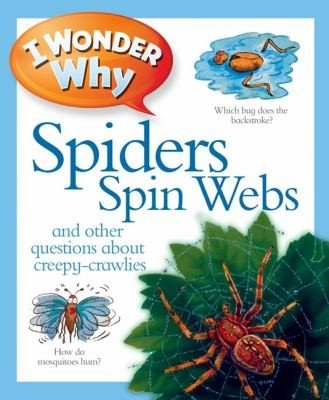
by Amanda O'Neill
Nonfiction · ages 5–9 · grades K–4 · 520L
Bright, question-driven intro to insect biology; the chunked Q&A format keeps kids engaged without overwhelming them, and the illustrations are genuinely good enough to hold attention on their own.
We'd skip — for now
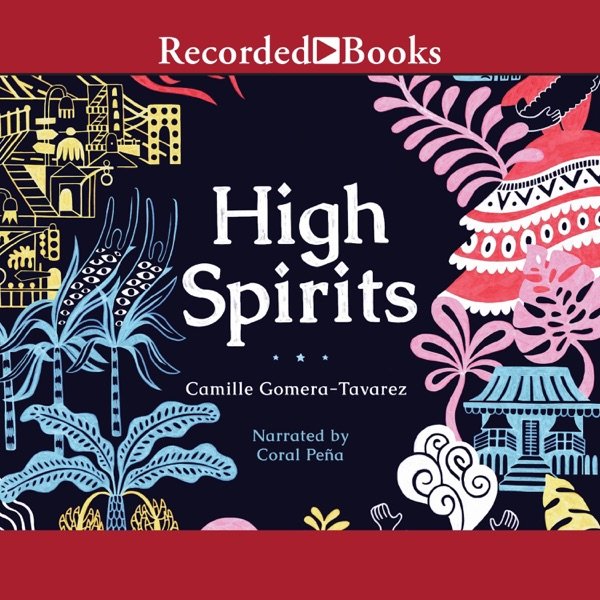
by Camille Gomera-Tavarez
A step up — ages 8–12 · grades 3–7
Skip it if your child has had unsettling experiences with family secrets or is uncomfortable with mildly creepy spirit imagery (the ghosts/spirits are benevolent but occasionally eerie in tone).
