
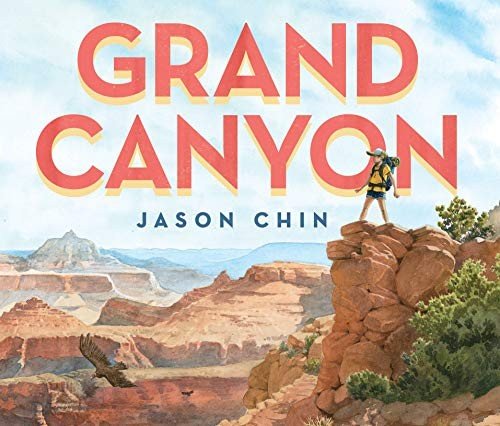
Grand Canyon
by Jason Chin
Picture book · ages 5–9 · grades K–4 · 620L
A picture book that treats deep time and geological process with poetic clarity; Chin's cutaway illustrations make 1.8 billion years visceral and navigable for a 6-year-old.
For a reader who just finished
after The Magic School Bus by Joanna Cole · ages 4–8
Same style
by Jason Chin
Picture book · ages 5–9 · grades K–4 · 620L
A picture book that treats deep time and geological process with poetic clarity; Chin's cutaway illustrations make 1.8 billion years visceral and navigable for a 6-year-old.
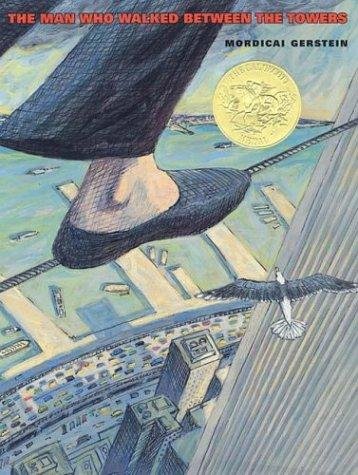
by Mordicai Gerstein
Picture book · ages 4–8 · grades K–3 · 620L
A Caldecott winner about a real, astonishing event—Gerstein's spare prose and soaring illustrations make this feel mythic without sentimentalizing, and kids understand immediately why someone would risk everything for beauty.
by Mordicai Gerstein
Picture book · ages 4–8 · grades K–3 · 620L
A Caldecott winner about a real, astonishing event—Gerstein's spare prose and soaring illustrations make this feel mythic without sentimentalizing, and kids understand immediately why someone would risk everything for beauty.
Stretch them up
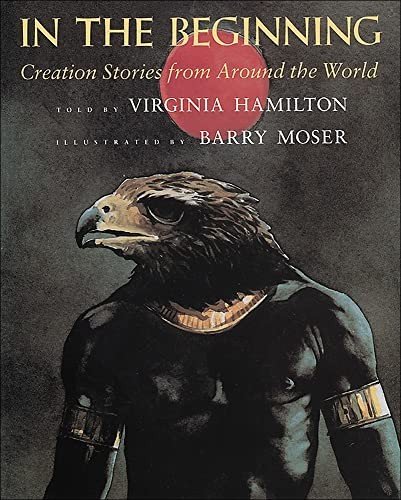
by Virginia Hamilton
Picture book · ages 5–9 · grades K–4 · 820L
Gorgeous, sophisticated, and genuinely restful — Hamilton's prose elevates world mythology without condescension, and Barry Moser's illustrations deepen the dreamlike authority of each story.
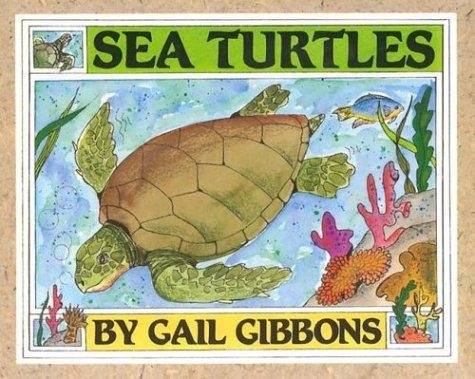
by Gail Gibbons
Picture book · ages 4–8 · grades K–3 · 820L
Gibbons' clearest nonfiction picture book — dense, factual, and visually organized so even a 4-year-old can follow; the gold standard for introducing marine biology without condescension.
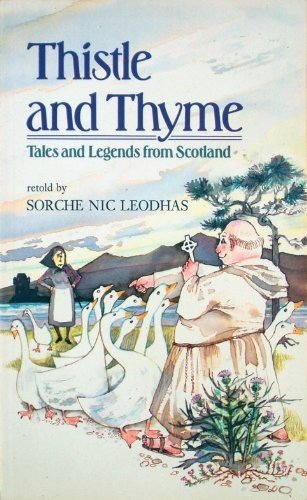
by Sorche Nic Leodhas
Picture book · ages 6–10 · grades 1–5 · 750L
Nic Leodhas is a master of folkloric voice—these Scottish tales are funny, strange, and told with a cadence that makes them feel lived-in; read aloud for maximum enchantment.
Complementing on observation evidence
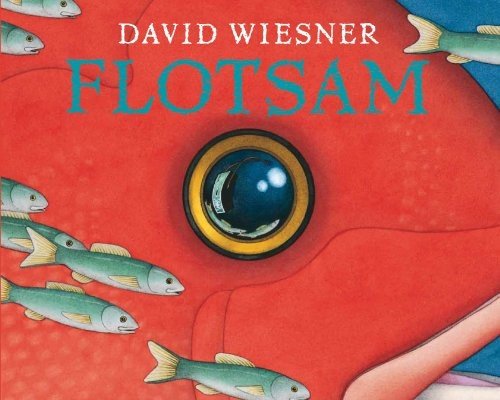
by David Wiesner
Picture book · ages 4–8 · grades K–3
A wordless masterpiece that teaches observation and sparks imagination without a single sentence—kids stare at the panels, construct their own theories, and beg to flip through it again.
by Leo Politi
Picture book · ages 4–8 · grades K–3 · 620L
A 1946 Newbery winner that holds up: lyrical, culturally grounded, and teaches patient observation without preaching—the swallows are a genuine draw, not a metaphor.
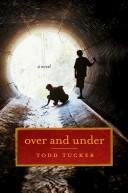
by Todd Tucker
Picture book · ages 4–8 · grades K–3 · 600L
A quiet masterpiece that teaches observation without a word of didacticism—kids naturally want to lift the flaps and peek, building real naturalist instincts.
We'd skip — for now
by Sidney Rosen
A step up — ages 8–12 · grades 3–7
Skip it if your child has learned that Galileo invented the telescope (he didn't, and this corrects that myth—worth knowing, but some curricula may conflict).