For a reader who just finished
Books like The 7 Habits of Happy Kids
after The 7 Habits of Happy Kids by Sean Covey · ages 4–8
Same style
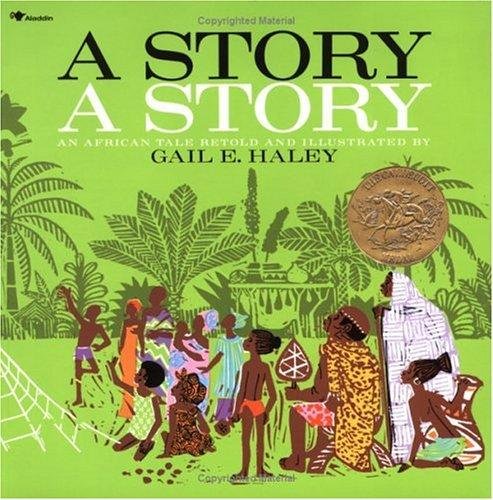
by Gail E. Haley
Picture book · ages 4–8 · grades K–3 · 620L
A Caldecott winner that works as folklore entry point, visual feast, and celebration of cleverness over brute strength—the illustrations anchor the oral tradition on the page without deadening it.
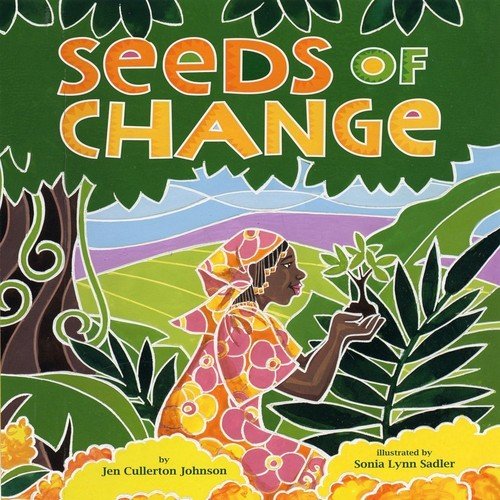
by Jen Cullerton Johnson
Picture book · ages 5–9 · grades K–4 · 620L
A quietly powerful picture-book biography that introduces the Hidatsa agricultural genius Four Bears through his own observation and experimentation—Indigenous history and science method woven together without preaching.
by Trombone Shorty
Picture book · ages 4–8 · grades K–3 · 620L
A vibrant, authentic introduction to New Orleans jazz culture and a kid who chose music; Collier's collage art pulses with joy and the first-person voice feels genuinely lived-in.
Stretch them up
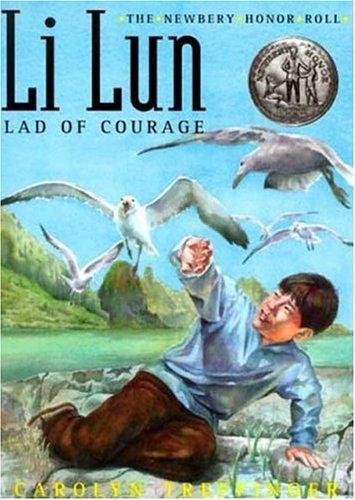
by Carolyn Treffinger
Picture book · ages 5–8 · grades K–3 · 720L
A quiet, genuinely moving intro to immigrant experience and cultural pride—rare among mid-century children's books for its emotional honesty and Cantonese language weaving.
by Jerry Pinkney
Picture book · ages 6–10 · grades 1–5 · 650L
Pinkney's watercolors elevate this African American folktale into something transcendent—a story where kindness feels earned, not preachy, and the magic feels like a natural extension of the girl's character.
by Jerry Pinkney
Picture book · ages 6–10 · grades 1–5 · 650L
Pinkney's watercolors elevate this African American folktale into something transcendent—a story where kindness feels earned, not preachy, and the magic feels like a natural extension of the girl's character.
Complementing on self regulation
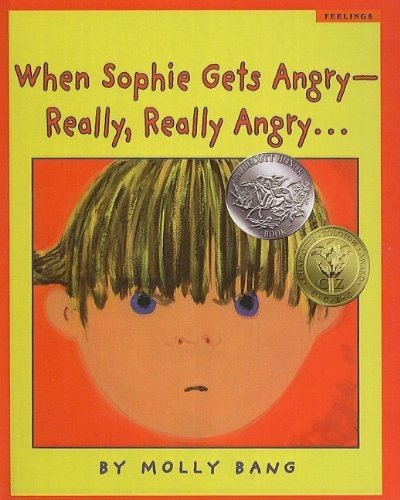
by Molly Bang
Picture book · ages 4–8 · grades K–3 · 420L
The most practical anger-management book for preschoolers and early readers — kids memorize Sophie's strategies and parents hear 'I need to go outside and take deep breaths' instead of tantrums.
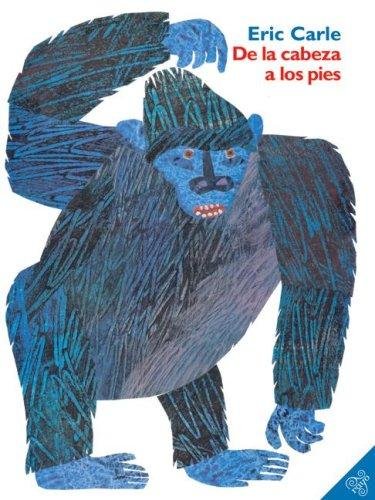
by Eric Carle
Picture book · ages 2–5 · grade K
A near-perfect board/picture book that turns movement into language learning — kids ask to repeat it, parents appreciate the motor-skill tie-in.
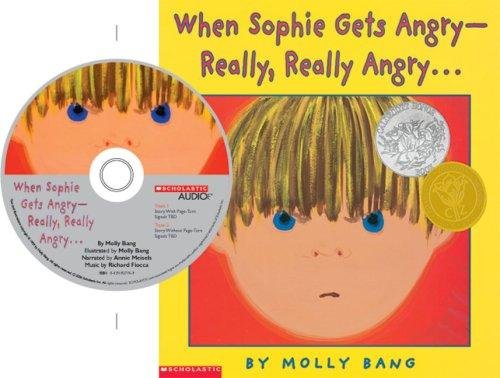
by Molly Bang
Picture book · ages 4–8 · grades K–3 · 250L
The most honest, unmoralistic picture book about anger for young kids—no shaming, no toxic positivity, just 'here's what anger looks like and here's something that actually works.'
We'd skip — for now
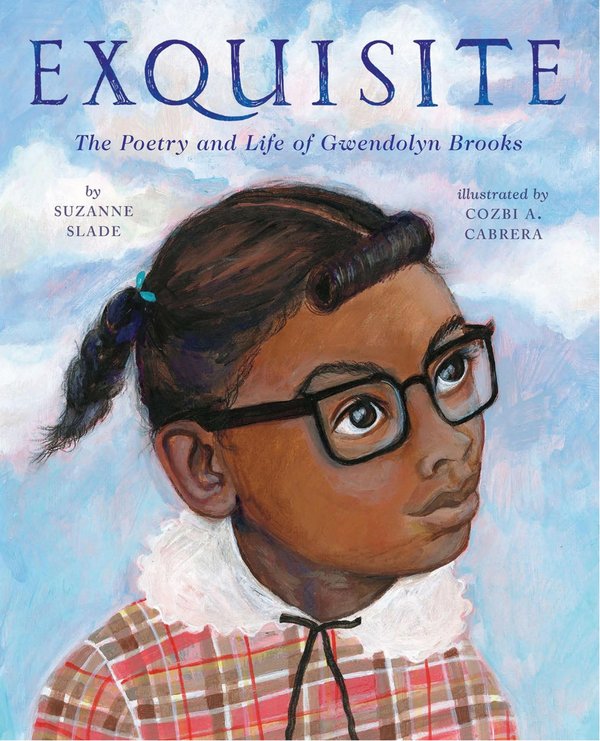
by Cozbi A. Cabrera
A step up — ages 8–12 · grades 3–7
Skip it if your child is uncomfortable with discussions of racial inequality or segregation — the book treats these as real forces Brooks had to navigate, not as background.
