
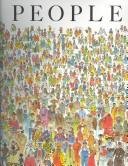
People
by Peter Spier
Picture book · ages 3–8 · grades K–3
A masterpiece of visual anthropology that teaches belonging without preaching—44 years old and still the best antidote to the idea that difference means 'other.'
For a reader who just finished
after Evan Turk by Cynthia Levinson · ages 5–9
Same style
by Peter Spier
Picture book · ages 3–8 · grades K–3
A masterpiece of visual anthropology that teaches belonging without preaching—44 years old and still the best antidote to the idea that difference means 'other.'
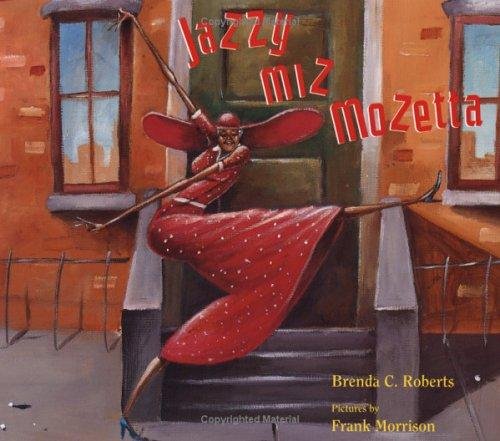
by Brenda C. Roberts
Picture book · ages 4–8 · grades K–3 · 620L
A jazz-inflected picture book about finding your voice that actually earns its groove—Mozetta's journey from street cat to celebrated musician feels genuinely earned, and the illustrations capture the energy of the music.
by The Undefeated
Picture book · ages 4–8 · grades K–3
A stunning visual hymn to Black excellence and resilience that works for read-alouds at 5–6 and independent reading at 7–8; Kadir Nelson's illustrations are the equal of the text.
Complementing on navigating difference
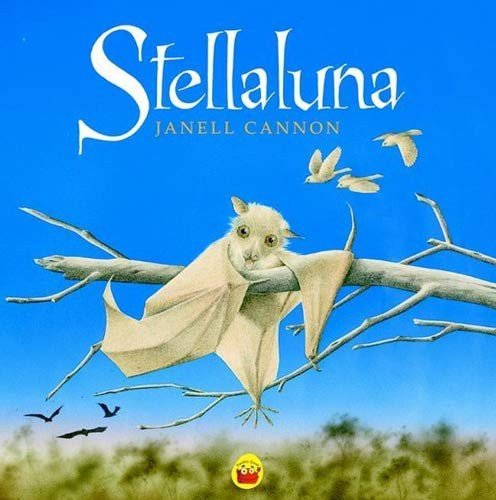
by Janell Cannon
Picture book · ages 4–8 · grades K–3 · 620L
A rare picture book that lands both the emotional warmth and the genuine concept—kids grasp why Stellaluna feels caught between two worlds, and the bat/bird biology feels accurate without ever lecturing.
by Talkin' About Bessie: The Story of Aviator Elizabeth Coleman
Picture book · ages 6–9 · grades 1–4 · 620L
A stunning introduction to a real trailblazer that doesn't condescend; E.B. Lewis's illustrations are the equal of Pam Muñoz Ryan's text, and kids emerge knowing Bessie Coleman's name, not just 'a brave Black pilot.'
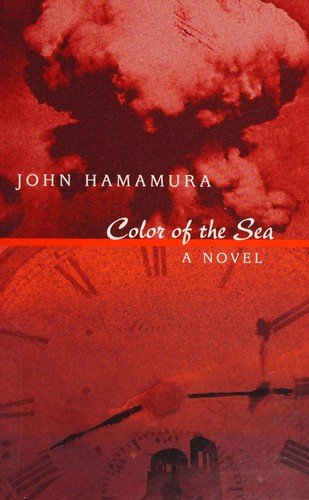
by John Hamamura
Picture book · ages 5–8 · grades K–3 · 620L
A lyrical, visually beautiful meditation on cultural heritage and belonging that doesn't lecture—kids absorb the reverence for tradition through the watercolor-soft illustrations and the boy's wonder.
We'd skip — for now
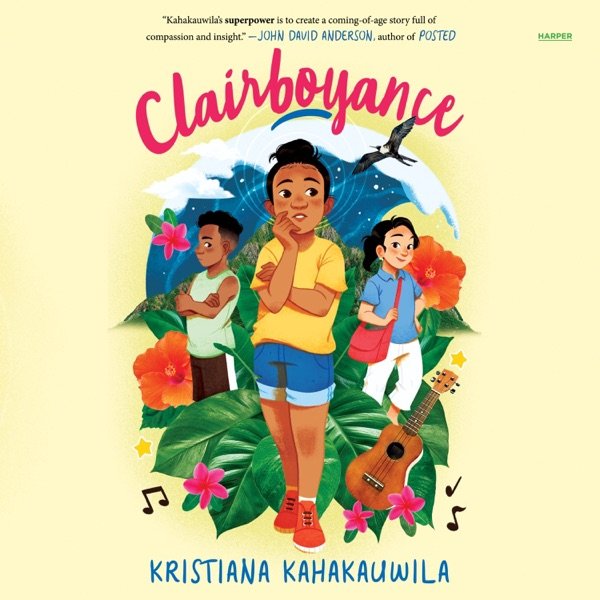
by Kristiana Kahakauwila
A step up — ages 10–14 · grades 5–9
Skip it if your child finds stories about social rejection or peer ostracism too distressing—there is real social exclusion and sting on page, even if it resolves.