For a reader who just finished
Books like STAND
after STAND by Cory Booker · ages 10–14
Same style
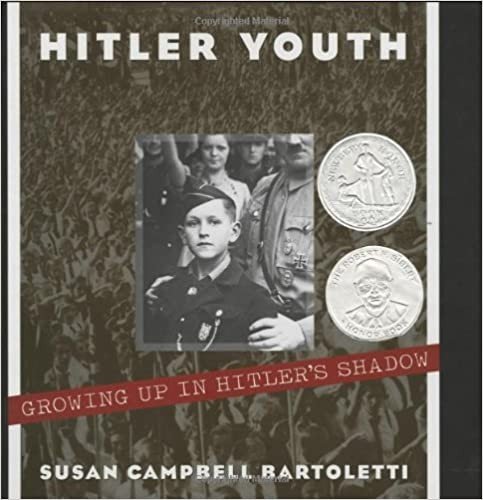
by Susan Campbell Bartoletti
Nonfiction · age 10+ · grade 5+ · 1050L
The most honest, unflinching introduction to how propaganda works on young minds—essential reading for understanding WWII and how democracies stay vigilant.
by Maya Angelou
Nonfiction · 1050L
A landmark American autobiography that belongs in every thoughtful household, but not before age 14—the sexual violence and racism are explicit enough to require maturity and a parent ready to discuss them.
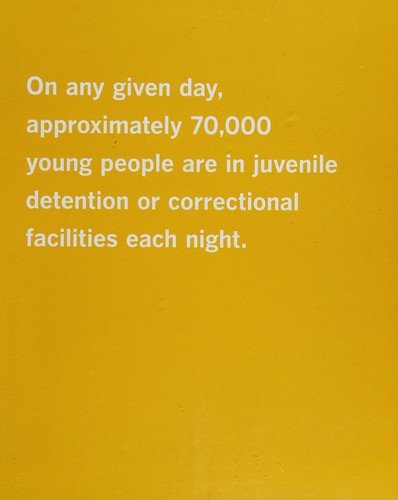
by Richard Ross
Nonfiction · 1050L
A hard, necessary documentary—unflinching portraits of incarcerated youth that will challenge your older child's assumptions about justice and system fairness, but requires emotional maturity and parent co-reading.
Complementing on courage
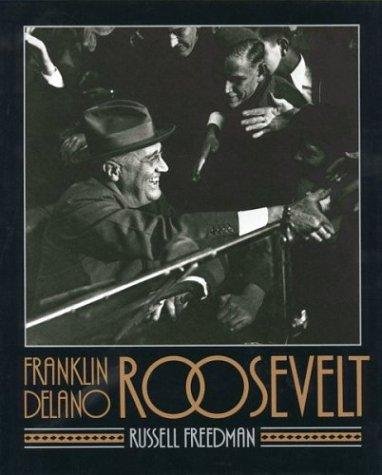
by Russell Freedman
Nonfiction · ages 9–12 · grades 4–7 · 820L
Freedman's accessible, photo-rich biography makes FDR's disability and determination feel immediate without sentimentality; kids grasp both the man and the era.

by Eloise Greenfield
Picture book · ages 6–9 · grades 1–4 · 620L
Eloise Greenfield's only children's book about the Great Migration—lyrical, historically grounded, and emotionally honest without being heavy; the illustrations anchor abstract history in real bodies and faces.
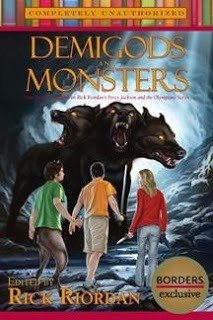
by Rick Riordan
Middle grade · ages 9–12 · grades 4–7 · 740L
The gold standard entry point for myths, quests, and kids who love witty protagonists — the ADHD/dyslexia angle feels earned, not decorative, and Riordan's voice carries slow readers through.
We'd skip — for now
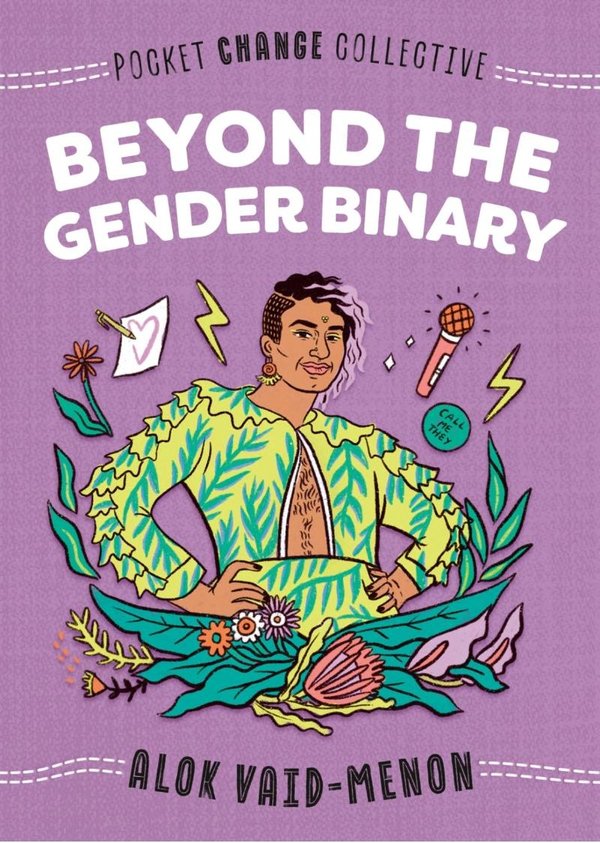
by Alok Vaid-Menon
A step up — ages 14–18 · grades 9–12
Skip it if your teen is newly out and fragile; this book is intellectually rigorous and assumes some comfort with complexity — better as a second read, not a first resource for self-discovery.
