
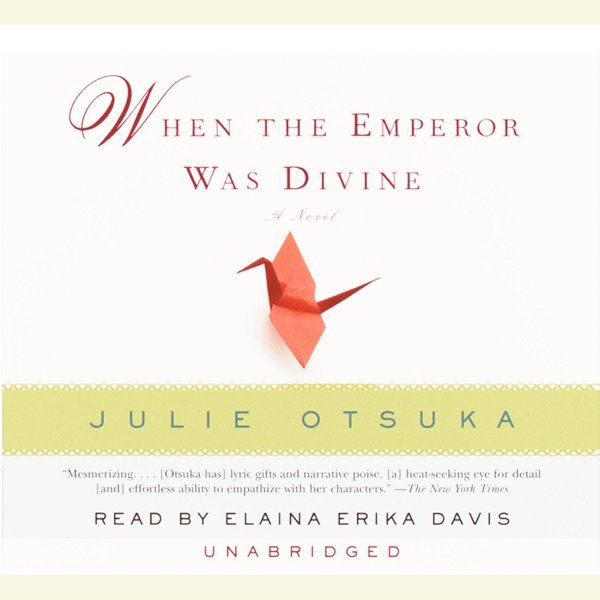
When the Emperor Was Divine
by Julie Otsuka
Nonfiction · 1000L
A spare, formally inventive novel that teaches Japanese American internment through intimate family voices rather than historical exposition—demands maturity but rewards it.
For a reader who just finished
after Juvenile in Justice by Richard Ross
Same style
by Julie Otsuka
Nonfiction · 1000L
A spare, formally inventive novel that teaches Japanese American internment through intimate family voices rather than historical exposition—demands maturity but rewards it.
by Julie Otsuka
Nonfiction · 1000L
A spare, formally inventive novel that teaches Japanese American internment through intimate family voices rather than historical exposition—demands maturity but rewards it.
by Julie Otsuka
Nonfiction · 1000L
A spare, formally inventive novel that teaches Japanese American internment through intimate family voices rather than historical exposition—demands maturity but rewards it.
Complementing on rule of law
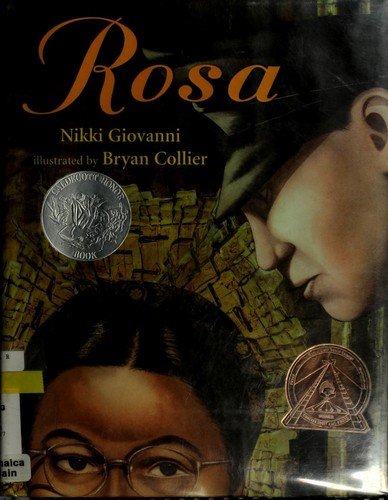
by Bryan Collier
Picture book · ages 4–8 · grades K–3 · 630L
The most honest picture-book account of Rosa Parks for this age—spare, dignified prose and collage art that honors rather than sentimentalizes; kids grasp both the everyday strength and the historical weight.
by '''Bad News for Outlaws: The Remarkable Life of Bass Reeves, Deputy U.S. Marshal'''
Picture book · ages 7–10 · grades 2–5 · 680L
A visually stunning biography that reclaims a footnote of American history and answers a child's question ('Can one person change things?') with one unforgettable answer.
by '''Bad News for Outlaws: The Remarkable Life of Bass Reeves, Deputy U.S. Marshal'''
Picture book · ages 7–10 · grades 2–5 · 680L
A visually stunning biography that reclaims a footnote of American history and answers a child's question ('Can one person change things?') with one unforgettable answer.